El ferrocarril de la Nariz del Diablo
El nombre "Nariz del Diablo" se refiere a algo más que la forma de una montaña.
La historia completa se desbloquea en el tour
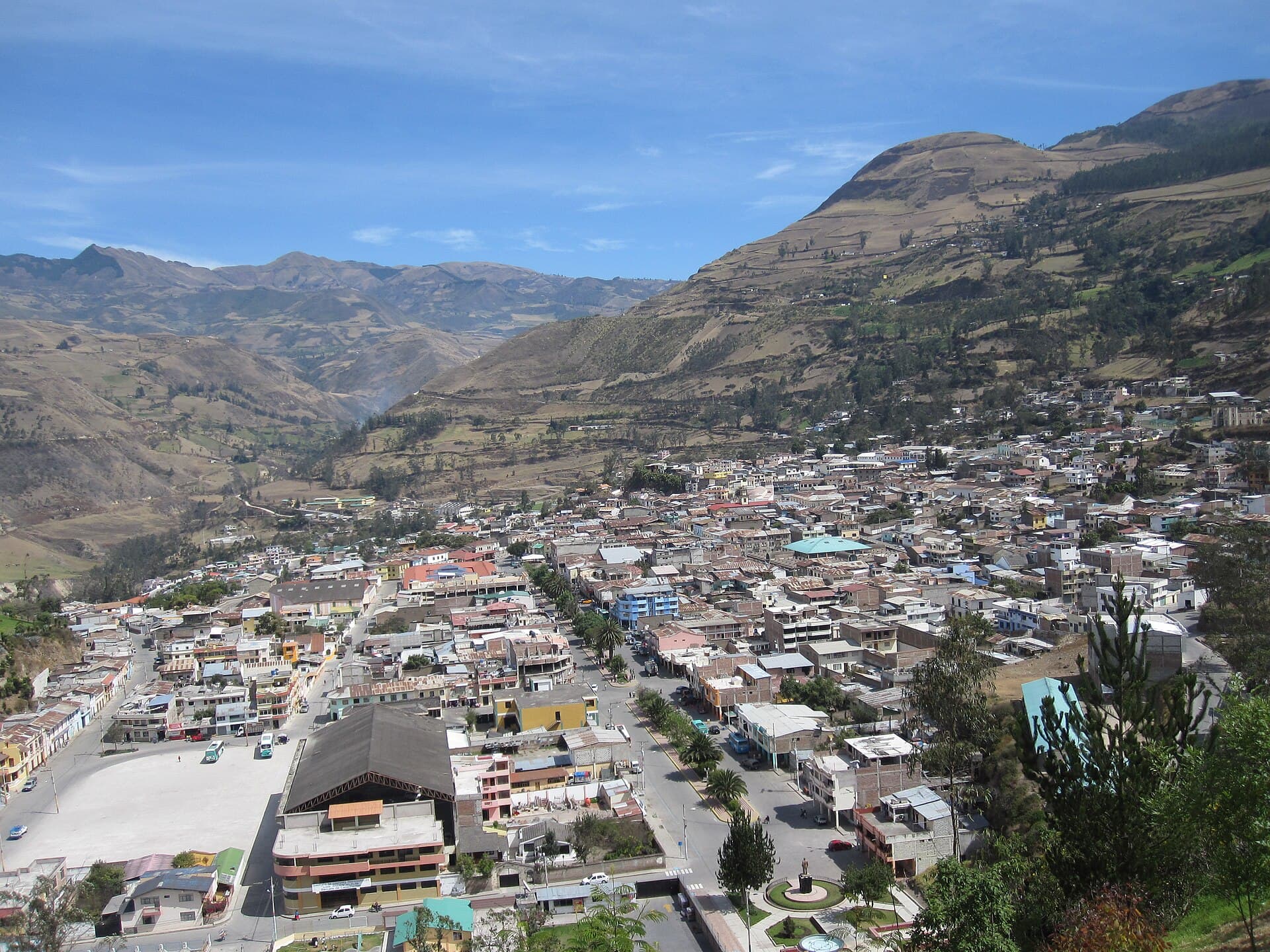 Jen / CC BY-SA 3.0, via Wikimedia Commons
Tour de audio autoguiado de Alausí — ruta GPS a pie, reproducción offline, narración en 32 idiomas.
“Donde los Andes se encuentran con el ingenio y la historia viaja sobre rieles.”
No las postales. Las historias que ni los locales conocen — al oído, justo donde ocurrieron.
El nombre "Nariz del Diablo" se refiere a algo más que la forma de una montaña.
Más allá de los puestos de productos y artesanías, el mercado guarda un secreto culinario.
Aunque el tren de la Nariz del Diablo es el principal atractivo, un camino menos conocido ofrece una perspectiva única de la legendaria ruta.
Descubre todos los secretos de Alausí
Cada dirección, cada revelación al completo — a tu oído, justo donde ocurrió.
Eliges tus paradas. Caminas. La voz te revela lo que los demás ignoran.


Tu tour de audioguía por Alausí te espera — elige tus lugares, tu idioma y empieza al llegar.
ComprarLume incluye una guía de realidad aumentada. Levanta el móvil y su cámara muestra la calle que tienes delante, con una flecha luminosa sobre la imagen real que siempre apunta a tu próxima parada — sin mapas que descifrar, sin giros equivocados. Como todo en Lume, funciona completamente sin conexión.
Alausí, una ciudad en la provincia de Chimborazo, Ecuador, se erige como una parada cultural significativa en la sierra andina. Se encuentra a una altitud promedio de 2,340 metros (7,680 pies) sobre el nivel del mar, con un paisaje caracterizado por calles empinadas y casas tradicionales. La ciudad sirve como puerta de entrada al ferrocarril de la Nariz del Diablo, una maravilla de la ingeniería que alguna vez conectó la costa con la capital a través de los Andes.
Designada Pueblo Mágico por el Ministerio de Turismo de Ecuador en 2019, Alausí invita a los visitantes a explorar su trazado colonial, experimentar la vida diaria del mercado y adentrarse en una historia moldeada por influencias indígenas y españolas. La atmósfera de la ciudad combina el escarpado paisaje andino con un profundo patrimonio, ofreciendo una visión de una forma de vida profundamente conectada con el pasado de la región y el icónico ferrocarril que se abrió paso a través de dramáticos acantilados.
El territorio que rodea Alausí estuvo habitado por el pueblo Puruhá mucho antes de la llegada de los europeos. Se cree que el nombre "Alausí" deriva del idioma Puruhá, posiblemente significando "Valle del Sol" o "Lugar de Rocas Altas", lo que refleja su entorno andino. La importancia histórica de la ciudad se profundizó con la llegada de los conquistadores españoles en el siglo XVI. Sebastián de Belalcázar fundó oficialmente el asentamiento de San Pedro de Alausí el 29 de junio de 1534, convirtiéndola en una de las fundaciones europeas más antiguas de la Real Audiencia de Quito. Los españoles trazaron la ciudad utilizando un sistema de cuadrícula colonial tradicional, adaptando sus ideales geométricos a la topografía andina ondulada.
Durante los siglos coloniales, Alausí evolucionó hasta convertirse en un centro agrícola y administrativo vital, obteniendo brevemente el estatus provincial durante el Estado independiente de Quito a principios del siglo XIX. Sin embargo, el período más transformador en la historia de Alausí comenzó en 1895 cuando el presidente ecuatoriano General Eloy Alfaro concibió un ferrocarril que conectaría la costa de Ecuador con su capital a través de los Andes. Este ambicioso proyecto, completado alrededor de 1902, incluyó la sección de la Nariz del Diablo, considerada una de las rutas de tren más desafiantes del mundo debido a sus pronunciadas pendientes y zigzags tallados en la montaña. El ferrocarril llegó a Alausí el 8 de septiembre de 1902, transformando la tranquila ciudad de montaña en un bullicioso centro comercial donde los comerciantes costeros se encontraban con los productores de las tierras altas. El ferrocarril no era simplemente transporte; fue un acto de construcción nacional, con el objetivo de modernizar la economía, romper el aislamiento local y fomentar una identidad nacional compartida.
En la década de 1990, la línea de tren sufrió negligencia y devastadores deslizamientos de tierra, lo que llevó a su cierre. Aunque la sección de la Nariz del Diablo fue posteriormente renovada y reabierta como atracción turística, los servicios de tren de pasajeros fueron suspendidos nuevamente en 2020. Alausí también fue afectada por un gran deslizamiento de tierra en 2023, que destruyó numerosos edificios y resultó en víctimas. A pesar de estos desafíos, Alausí continúa preservando su arquitectura colonial y patrimonio cultural, lo que le valió el título de "Ciudad de los Cinco Patrimonios" y el reconocimiento como sitio de Patrimonio Nacional.
Alausí ofrece una mezcla de encanto histórico y aventura andina. La experiencia más icónica es el viaje en tren de la Nariz del Diablo, un viaje de ida y vuelta de 2.5 horas desde Alausí hasta la estación de Sibambe, que presenta dramáticos zigzags por pendientes pronunciadas. En Sibambe, los pasajeros pueden experimentar bailes tradicionales y aprender sobre la historia local de la comunidad Nizag. Aunque el servicio de tren ha enfrentado suspensiones, generalmente opera de jueves a domingo.
Más allá del ferrocarril, explore el trazado colonial de Alausí, centrado alrededor de la Plaza Sucre. Pasee por las calles empedradas, admirando iglesias encaladas, balcones coloridos y pequeñas tiendas de artesanía. El Mirador San Pedro, identificable por su colosal estatua de 21 metros de San Pedro, ofrece amplias vistas de la ciudad y las montañas circundantes después de subir escaleras de piedra. El Mercado Central, abierto todos los días, es un animado centro de productos locales, artesanías y comidas andinas tradicionales. Para aquellos que buscan una conexión más profunda con el paisaje, considere hacer una caminata por un segmento del antiguo Camino Inca (Qhapaq Ñan), que pasa por el cantón. También se pueden organizar excursiones de un día a las Lagunas de Ozogoche, un sistema de más de 30 lagunas.
Alausí experimenta temperaturas constantes con un promedio de 17°C (63°F) durante todo el año. La estación seca, de abril a junio y de octubre a principios de diciembre, ofrece las mejores condiciones para actividades al aire libre como el ferrocarril de la Nariz del Diablo y la exploración de la ciudad, con temperaturas agradables entre 13°C y 18°C (55°F a 65°F) y vistas claras. La estación seca de junio a septiembre también es ideal para el senderismo y la fotografía, con cielos despejados y nítidos. Las lluvias son significativas durante todo el año, siendo mayo el mes más húmedo y noviembre el más seco. El pico de afluencia turística ocurre en julio y agosto.
Alausí se encuentra a gran altitud, por lo que es recomendable tomarse un tiempo para aclimatarse y mantenerse hidratado para prevenir el mal de altura. El centro de la ciudad es compacto y transitable, lo que facilita la exploración a pie. La comida local se centra en abundantes platillos andinos como cerdo asado, platos a base de maíz y queso fresco, con comidas tradicionales disponibles en pequeños restaurantes alrededor de la plaza central y el Mercado Central. La moneda utilizada es el dólar estadounidense.
Para el transporte, Alausí está bien conectada por autobuses de larga distancia que viajan por la Carretera Panamericana desde ciudades importantes como Quito, Riobamba o Cuenca. La estación de autobuses se encuentra a pocas cuadras de la estación de tren. Aunque generalmente es seguro, se recomienda cuidar las pertenencias, evitar exhibir objetos de valor y limitar las caminatas a áreas centrales bien iluminadas por la noche. Es útil llevar ropa impermeable, protector solar, gafas de sol y sombreros.
Alausí en coreano, en chino o en hebreo — y 29 idiomas más, cada parada narrada por una voz nativa. La mayor variedad de idiomas de cualquier audioguía autoguiada.
Disponible en: