Puerta de la Ciudad
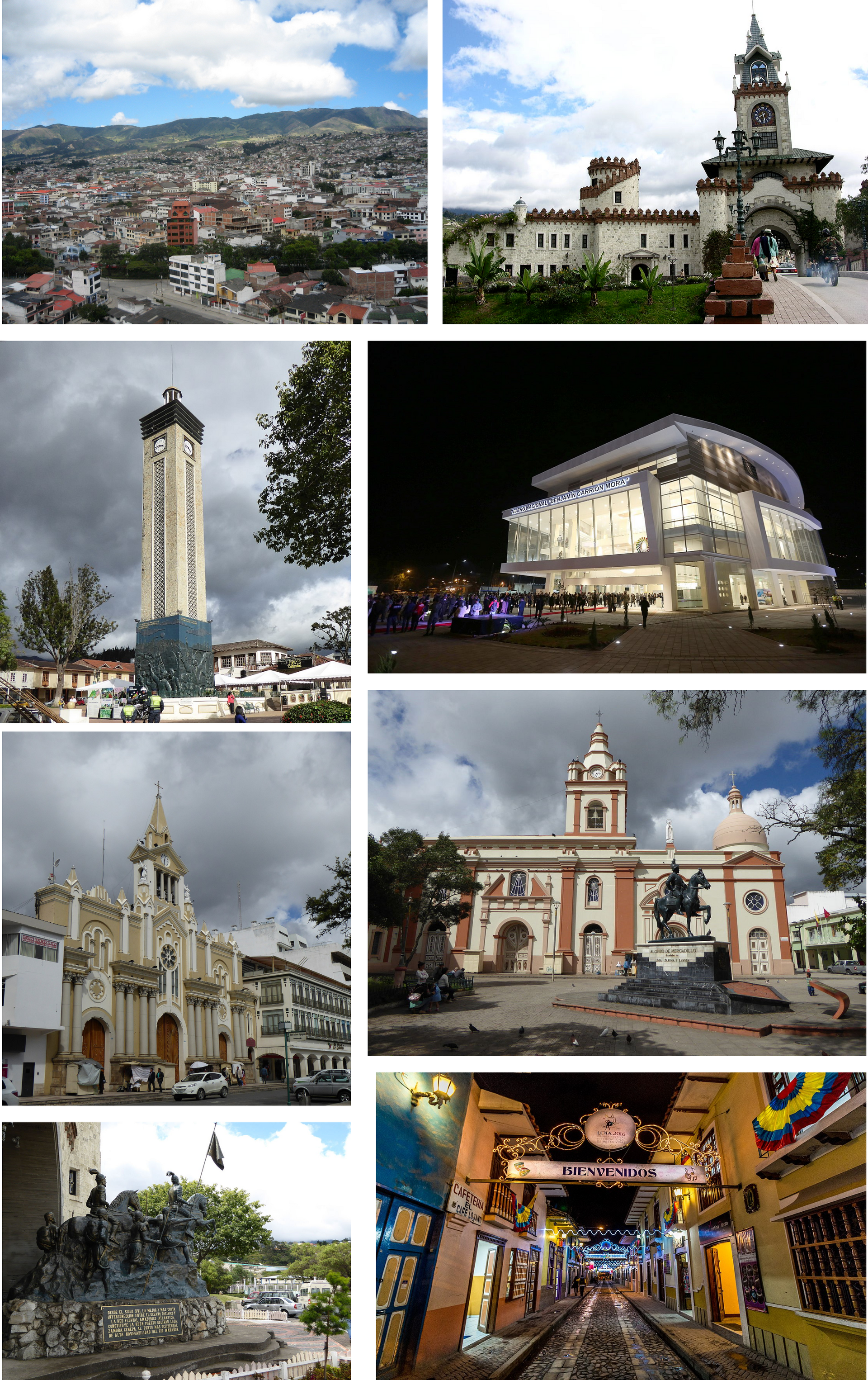
La grande porte de Loja n'est pas qu'un monument moderne ; elle garde un secret lié à une quête légendaire.
L'histoire complète se débloque dans le tour
 David C. S. / CC BY-SA 4.0, via Wikimedia Commons
Visite audio autoguidée de Loja — parcours GPS à pied, lecture hors ligne, narration en 32 langues.
“Là où les mélodies andines rencontrent la grâce coloniale et l'étreinte silencieuse de la nature.”
Pas les cartes postales. Les histoires que même les habitants ignorent — soufflées à l'oreille, là où elles se sont passées.
La grande porte de Loja n'est pas qu'un monument moderne ; elle garde un secret lié à une quête légendaire.
Bien avant de nombreuses grandes villes, Loja était illuminée par une lueur révolutionnaire.
Une avenue particulière de Loja, pavée de pierres, offre plus qu'une architecture coloniale pittoresque.
Découvrez tous les secrets de Loja
Chaque adresse, chaque révélation en entier — dans ton oreille, là où elle s'est passée.
Tu choisis tes lieux. Tu marches. La voix te révèle ce que les autres ignorent.


Votre visite audioguidée de Loja vous attend — choisissez vos lieux, votre langue, et lancez-vous dès votre arrivée.
AcheterLume intègre un guide en réalité augmentée. Levez votre téléphone : sa caméra montre la rue devant vous, avec une flèche lumineuse posée sur l'image réelle qui pointe toujours vers votre prochain arrêt — aucune carte à déchiffrer, aucun mauvais virage. Comme tout dans Lume, ça fonctionne entièrement hors-ligne.
Loja, souvent surnommée la « Capitale Musicale et Culturelle de l'Équateur », est nichée dans la vallée de Cuxibamba, dans les hauts plateaux du sud du pays. Cette ville, avec une population d'environ 203 000 habitants, est un mélange d'héritage colonial et de vie contemporaine, attirant les visiteurs par son climat doux et son esprit artistique. Entourée de sommets montagneux verdoyants et de rivières sinueuses, Loja offre une évasion paisible tout en servant de porte d'entrée vers des paysages naturels comme le Parc National Podocarpus.
L'altitude de la ville, à environ 2 060 mètres (6 758 pieds) au-dessus du niveau de la mer, contribue à son climat agréable, qui connaît rarement des températures extrêmes. L'engagement de Loja envers la culture est évident dans ses nombreux festivals, conservatoires et spectacles publics qui animent ses places et ses théâtres tout au long de l'année. C'est un lieu où les valeurs traditionnelles et les opportunités modernes coexistent, en faisant une destination distinctive en Équateur.
Les origines de Loja remontent au milieu du XVIe siècle, sa fondation officielle étant attribuée au capitaine espagnol Alonso de Mercadillo le 8 décembre 1548. Le premier établissement, connu sous le nom de La Zarza, fut établi en 1547 dans la vallée de Catamayo mais fut rapidement déplacé vers la vallée plus fertile de Cuxibamba en raison d'épidémies de malaria et d'activité sismique. Ce déplacement et la reconstruction ultérieure après un tremblement de terre un siècle plus tard témoignent de l'esprit durable de la ville.
Pendant la domination coloniale espagnole, Loja a acquis une grande importance en tant que centre mondial de production de cinchona, un arbre dont l'écorce était une source vitale de quinine, utilisée pour traiter le paludisme. Elle a également servi de point de départ crucial pour les expéditions dans le bassin amazonien, les conquistadors s'aventurant d'ici à la recherche du légendaire El Dorado. Ce rôle historique est même commémoré par l'emblématique Puerta de la Ciudad (Porte de la Ville).
Loja a un esprit pionnier, devenant la première ville d'Équateur à avoir l'éclairage électrique en 1897, grâce à un petit projet hydroélectrique. Au fil des siècles, la ville a cultivé une profonde tradition dans les arts, ce qui lui a valu le surnom de « Capitale Musicale et Culturelle de l'Équateur ». Cette identité culturelle est profondément ancrée, de nombreux musiciens et compositeurs les plus talentueux du pays étant originaires de Loja. Aujourd'hui, Loja continue d'équilibrer son héritage historique avec une modernisation prudente, préservant son architecture coloniale et son patrimoine culturel tout en embrassant le progrès.
Commencez votre exploration à la Puerta de la Ciudad, une porte de ville aux allures de château qui offre de vastes vues depuis son belvédère et abrite un petit musée et des boutiques. Promenez-vous dans le Parque Central, une place classique de l'époque coloniale flanquée de l'église catholique de la ville et du Palacio Municipal. La Catedral, l'une des plus grandes églises d'Équateur, présente un intérieur richement peint et a subi une restauration majeure en 2004. À quelques pâtés de maisons au sud, découvrez la Plaza San Sebastián, également connue sous le nom de Plaza de la Independencia, où Loja a déclaré son indépendance de l'Espagne en 1820. Cette place est marquée par une imposante tour d'horloge.
Pour un retour dans le temps, flânez dans la Calle Lourdes, célébrée pour ses maisons coloniales bien conservées avec des façades complexes. Les amateurs d'art et d'histoire peuvent visiter le Museo del Banco Central pour des reliques archéologiques et des expositions sur les événements historiques locaux. Au-delà de la ville, le Parc National Podocarpus offre des opportunités exceptionnelles de randonnée et d'observation des oiseaux, protégeant des milliers d'espèces végétales et près de 600 espèces d'oiseaux.
Loja bénéficie d'un climat andin doux toute l'année, avec des températures moyennes d'environ 16°C (61°F), ce qui en fait une destination agréable à tout moment. Bien qu'il y ait une saison des pluies distincte de janvier à mars, et que le mois le plus nuageux soit février, la ville connaît une période plus claire de mai à octobre. Les meilleurs moments pour les activités de plein air sont généralement de mi-avril à mi-juin et de fin août à mi-octobre, lorsque le temps est chaud et que la pluie est moins fréquente. Novembre est une période particulièrement animée pour visiter, coïncidant avec le Festival International des Arts Vivants.
Loja est considérée comme l'une des villes les plus sûres d'Équateur, avec un faible taux de criminalité principalement limité aux petits larcins. Bien que la criminalité violente soit rare, il est toujours judicieux de prendre des précautions de bon sens, comme garder les objets de valeur hors de vue. Le centre-ville est généralement sûr pour les promenades nocturnes. Le système de bus local et les taxis abordables facilitent les déplacements à Loja sans voiture. L'aéroport le plus proche est l'aéroport Camilo Ponce Enriquez à Catamayo, à environ 45 minutes en taxi de la ville. L'espagnol est la langue principale, et bien qu'il y ait une petite communauté d'expatriés, elle n'est pas aussi importante que dans d'autres villes équatoriennes. La monnaie utilisée est le dollar américain.
Loja en coréen, en chinois ou en hébreu — et dans 29 autres langues, chaque étape narrée par une voix native. La plus large gamme de langues de tous les audioguides autoguidés.
Disponible en :