Laguna de Cuicocha
Las serenas y profundas aguas azules de la Laguna de Cuicocha esconden un dramático secreto bajo su superficie.
La historia completa se desbloquea en el tour
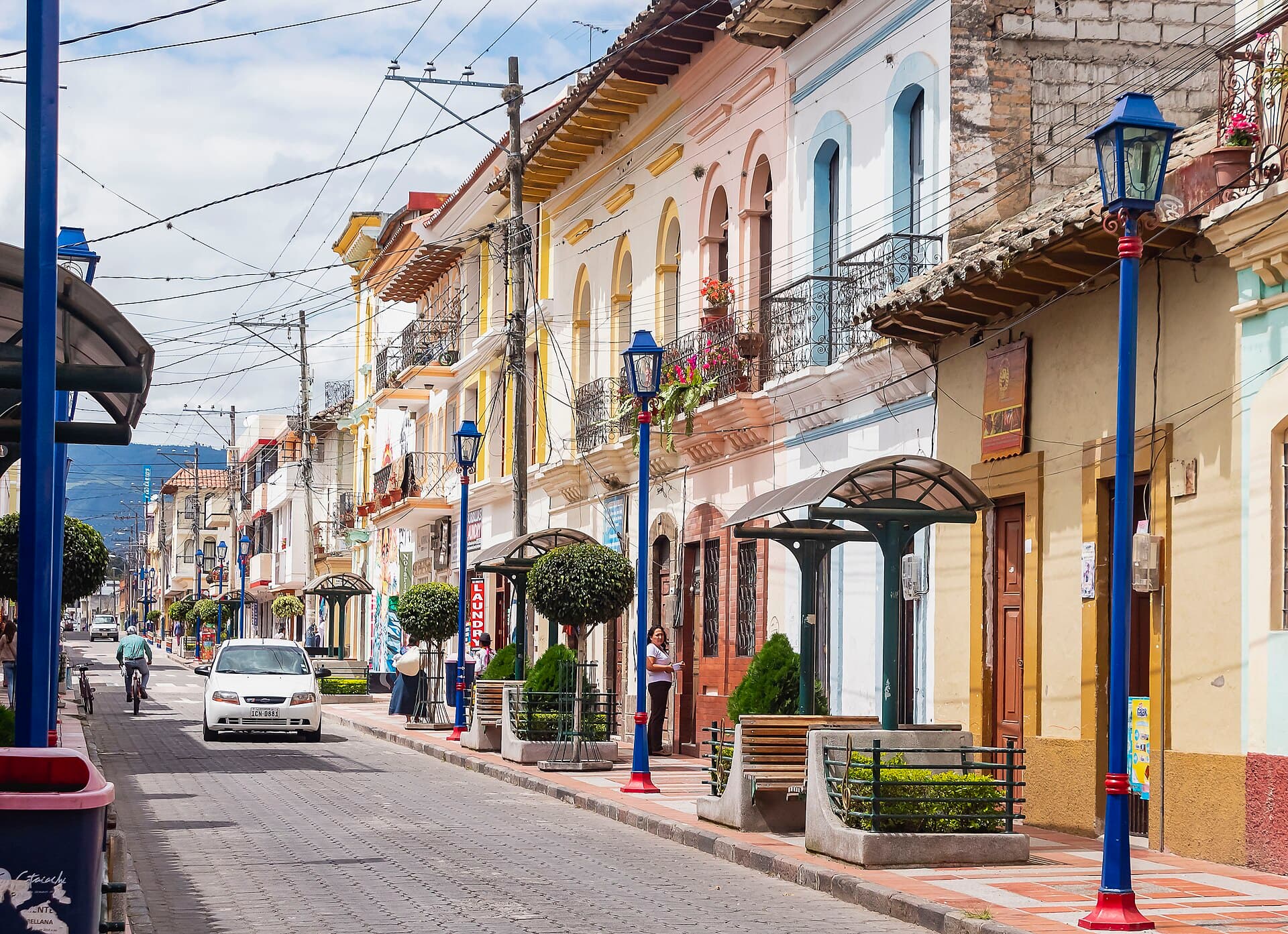 Jorge Flores Macias / CC BY-SA 4.0, via Wikimedia Commons
Tour de audio autoguiado de Cotacachi — ruta GPS a pie, reproducción offline, narración en 32 idiomas.
“Donde la tradición andina se teje en cuero y paisaje.”
No las postales. Las historias que ni los locales conocen — al oído, justo donde ocurrieron.
Las serenas y profundas aguas azules de la Laguna de Cuicocha esconden un dramático secreto bajo su superficie.
Más allá de las hileras de productos finamente elaborados, las tiendas de cuero de Cotacachi llevan un legado más profundo que sus puntadas.
El propio nombre de esta ciudad habla de una profunda identidad histórica, aunque su significado exacto es debatido.
Descubre todos los secretos de Cotacachi
Cada dirección, cada revelación al completo — a tu oído, justo donde ocurrió.
Eliges tus paradas. Caminas. La voz te revela lo que los demás ignoran.

Tu tour de audioguía por Cotacachi te espera — elige tus lugares, tu idioma y empieza al llegar.
ComprarLume incluye una guía de realidad aumentada. Levanta el móvil y su cámara muestra la calle que tienes delante, con una flecha luminosa sobre la imagen real que siempre apunta a tu próxima parada — sin mapas que descifrar, sin giros equivocados. Como todo en Lume, funciona completamente sin conexión.
Cotacachi, un pueblo tranquilo en la provincia de Imbabura, Ecuador, ofrece una refrescante mezcla de herencia artesanal y grandeza natural. Conocida como la "Capital del Cuero de Ecuador", sus avenidas están bordeadas de talleres que exhiben generaciones de artesanía. La ciudad se asienta en un valle, enmarcada por el volcán Cotacachi dormido al oeste y el volcán Imbabura al este, proporcionando un clima consistentemente primaveral debido a su ubicación ecuatorial.
Más allá de su reputación por el cuero, Cotacachi sirve como puerta de entrada a la Reserva Ecológica Cotacachi-Cayapas, una extensión biodiversa que incluye la cautivadora Laguna de Cuicocha. La ciudad en sí, con una población de alrededor de 10,000 habitantes, mantiene una atmósfera tranquila y de pueblo, lo que la convierte en un destino favorito para quienes buscan un ritmo más lento y una conexión profunda con la cultura indígena Kichwa.
El área alrededor de Cotacachi posee una historia larga y estratificada, con evidencia de presencia indígena que se remonta a tiempos precoloniales. La ciudad fue fundada en 1544 por Pedro de la Peña, quien más tarde se convertiría en Obispo de Quito. Creció hasta convertirse en un centro significativo dentro del Imperio Inca bajo Huayna Cápac.
Cotacachi y su cantón circundante tienen una notable población indígena, con el pueblo quechua comprendiendo un gran porcentaje de los habitantes. Esta fuerte identidad cultural se refleja en las tradiciones y celebraciones locales, como el Inti Raymi, la fiesta del Sol, que coincide con el solsticio de junio y marca la temporada de cosecha. Otra celebración importante es el Pawkar Raymi, que se alinea con el equinoccio de marzo y honra el agua y la flora.
En la historia más reciente, Cotacachi ha obtenido reconocimiento por sus iniciativas progresistas. En el año 2000, todo el cantón de Cotacachi fue declarado el primer cantón ecológico de Sudamérica, un testimonio de su dedicación a la protección del medio ambiente. La ciudad también posee una medalla de la UNESCO por lograr la alfabetización de casi todos sus residentes a través de programas como la campaña 'Sí, yo puedo', que enseñó a miles a leer y escribir. En 2019, Cotacachi fue una de las primeras cinco ciudades de Ecuador en ser designada "Pueblo Mágico" por el Ministerio de Turismo de Ecuador, reconociendo su auténtico encanto y significado cultural.
La plaza principal de Cotacachi, el Parque Abdón Calderón, es un agradable espacio verde con altas palmeras y una estatua de Santa Ana, la patrona de la ciudad. La Iglesia neoclásica de Santa Ana, también conocida como la Catedral La Matriz, se encuentra en el lado norte de la plaza y alberga arte del siglo XVIII de la Escuela Quiteña.
Para los interesados en la artesanía local, la Calle 10 de Agosto, a menudo llamada "Calle del Cuero", está bordeada por más de 50 tiendas que ofrecen una amplia gama de artículos de cuero de alta calidad, desde chaquetas y zapatos hasta bolsos y cinturones. Otro lugar para artesanías y recuerdos es el Parque San Francisco, que también cuenta con un monumento que honra la industria local del cuero y la herencia musical.
Un corto viaje en coche desde la ciudad lleva a la Laguna de Cuicocha, un impresionante lago de cráter volcánico dentro de la Reserva Ecológica Cotacachi-Cayapas. Los visitantes pueden caminar por el sendero circular alrededor del borde del cráter para disfrutar de vistas panorámicas o tomar un paseo en bote a las islas. Otras atracciones naturales cercanas incluyen la Cascada de Peguche, un sitio sagrado para los pueblos indígenas, y las Lagunas de Mojanda, ideales para excursionistas.
Cotacachi experimenta un clima primaveral durante todo el año debido a su ubicación ecuatorial. La mejor época para actividades de clima cálido y turismo general al aire libre es desde principios de junio hasta finales de septiembre, siendo agosto a menudo el mes más seco. Durante esta estación más seca, puede esperar días soleados y noches más frescas, con temperaturas diurnas que suelen oscilar entre 18 y 22 grados Celsius (64 a 72 grados Fahrenheit). El festival Inti Raymi en junio ofrece una animada experiencia cultural.
Cotacachi es una ciudad transitable, lo que facilita explorar sus áreas centrales a pie. Los taxis están fácilmente disponibles para moverse por la ciudad o llegar a atracciones cercanas como la Laguna de Cuicocha. Los autobuses ofrecen conexiones asequibles y frecuentes a ciudades vecinas como Otavalo e Ibarra. El aeropuerto internacional más cercano es el Aeropuerto Internacional Mariscal Sucre (UIO) en Quito, aproximadamente a dos horas en coche.
Si bien Cotacachi generalmente tiene una baja tasa de criminalidad, especialmente en comparación con ciudades más grandes, siempre es aconsejable tomar precauciones estándar. La moneda local es el dólar estadounidense. El español y el kichwa son los idiomas principales, aunque se puede hablar inglés en zonas frecuentadas por turistas. Muchos expatriados aprecian el bajo costo de vida, particularmente para los productos frescos y cultivados localmente disponibles en los mercados diarios.
Cotacachi en coreano, en chino o en hebreo — y 29 idiomas más, cada parada narrada por una voz nativa. La mayor variedad de idiomas de cualquier audioguía autoguiada.
Disponible en: