Rosalía Suárez Ice Cream shop
Ibarra is known for a distinctive ice cream, and one shop has been crafting it by hand for over a century.
Full story unlocks in the tour
 David C. S. / CC BY-SA 4.0, via Wikimedia Commons
Self-guided audio walking tour of Ibarra — GPS route, offline playback, story-driven narration in 32 languages.
“The White City: Where colonial elegance meets Andean heart.”
Not the postcards. The stories even locals don't know — whispered in your ear, right where they happened.
Ibarra is known for a distinctive ice cream, and one shop has been crafting it by hand for over a century.
The calm 'Lake of Blood' carries a somber account from a pre-Columbian conflict.
Just beyond Ibarra, a small community transforms abundant local timber into intricate works of art.
Discover every secret of Ibarra
Every address, every reveal in full — in your ear, right where it happened.
You pick your stops. You walk. The voice reveals what the others miss.


Your self-guided audio tour of Ibarra is ready — pick your landmarks, choose your language, and start the moment you arrive.
BuyLume has a built-in augmented-reality guide. Hold your phone up and its camera shows the street ahead of you, with a glowing arrow laid over the real view that always points to your next stop — no map to puzzle over, no wrong turns. Like everything in Lume, it works fully offline.
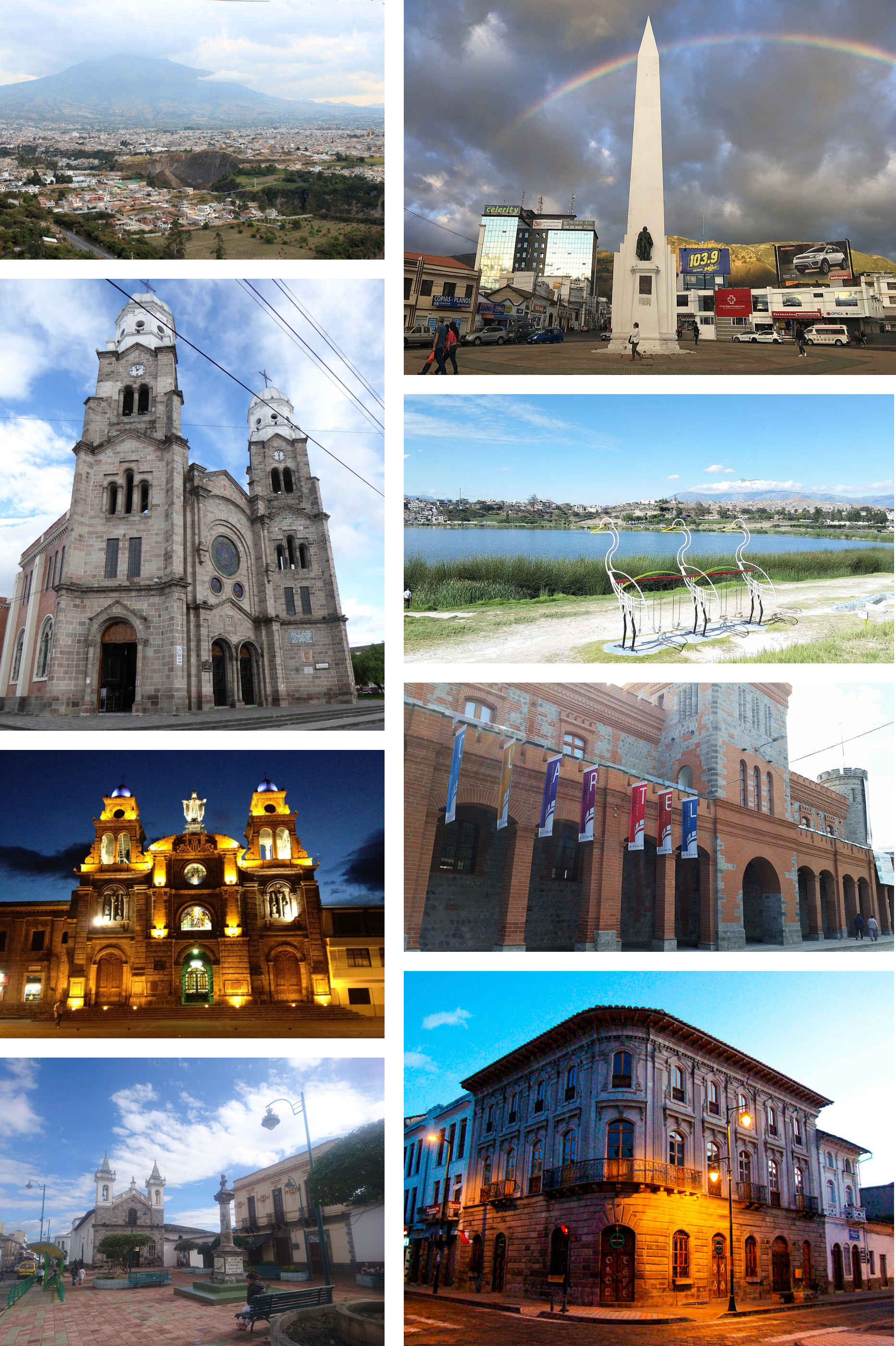
Ibarra, often referred to as 'La Ciudad Blanca' (The White City), serves as the capital of Ecuador's Imbabura Province. It rests in an Andean valley at an elevation of 7,300 feet (2,225 meters). This inviting city, approximately 70 kilometers (43 miles) northeast of Quito, presents a fusion of colonial architecture, lively local existence, and access to striking natural surroundings. Its whitewashed colonial-era buildings and paved paths evoke a sense of enduring grace, inviting visitors to explore at a leisurely pace.
While Ibarra functions as a significant commercial and governmental center for the northern highlands, it preserves an authentic Ecuadorian ambiance, less frequented by travelers than some neighboring areas. The city's mild, spring-like climate year-round, with temperatures typically ranging between 56°F and 76°F, makes it a comfortable place for outdoor discovery. From its bustling marketplaces to its serene plazas, Ibarra offers an entrance to understanding Andean culture and traditions.
Ibarra was formally established on September 28, 1606, by Cristóbal de Troya, acting under the directives of Miguel de Ibarra, the president of the Royal Audience of Quito, after whom the city received its name. The city’s initial growth included the methodical construction of public edifices and numerous churches, solidifying its colonial character.
Regrettably, a powerful earthquake struck Ibarra on August 16, 1868, causing widespread devastation and claiming thousands of lives. The city was almost entirely leveled, but its resilient inhabitants embarked on a remarkable reconstruction endeavor. Ibarra was officially re-established on April 28, 1872, leading some to refer to it as the 'youngest city in Ecuador' due to this fresh start. The whitewashed colonial structures that lend Ibarra its designation, 'The White City,' were largely erected during this rebuilding phase.
Beyond its colonial past, the area surrounding Ibarra holds ancient significance. The Inca ruler Atahualpa is thought to have been born in the nearby Inca settlement of Inca-Caranqui, about 2 kilometers from the city. The region also bore witness to intense historical events, such as the Battle of Ibarra on July 17, 1823, where Simón Bolívar’s forces defeated Royalists, securing the region’s liberation from Spanish authority. Today, Ibarra continues to evolve, blending its profound historical roots with a dynamic contemporary existence.
Begin your journey at Parque Pedro Moncayo, the civic core of Ibarra, adorned with meticulously maintained lawns, tall palms, and a statue of 19th-century journalist and politician Pedro Moncayo. The park is bordered by the Roman-style Cathedral, recognized for its golden altar. A short stroll leads to Parque La Merced, home to the imposing Basílica de la Merced, a grey-stone church crowned with a statue of the Virgin and featuring a towering red-and-gold altarpiece.
For insight into the region's past, visit the Museo del Banco Central de Ecuador (Ecuador Central Bank Museum), which houses a collection of Inca and pre-Inca artifacts. The Museo de Arte Religioso, connected to the Iglesia Santo Domingo, displays colonial-era Dominican art and the celebrated La Virgin del Rosario painting. Wander through the Mercado Amazonas, a bustling market where you can observe daily life, discover fresh produce, apparel, and local meals. Do not miss the chance to savor helados de paila, traditional handmade ice cream, at a local establishment like Rosalía Suárez.
Beyond the city center, Laguna Yahuarcocha provides a scenic retreat for boat excursions, angling, and enjoying the surrounding green hills. The nearby town of San Antonio de Ibarra is a worthwhile visit for those interested in intricate woodcarvings, with numerous galleries exhibiting local artisans' creations. For a distinctive cultural encounter, consider a trip to Salinas, a town inhabited by Afro-Ecuadorian descendants, historically linked by the 'Tren de la Libertad' (Liberty Train) route. While train services are currently suspended, the area remains accessible for exploration.
Ibarra enjoys a mild, spring-like climate throughout the year due to its elevation, with temperatures generally ranging from 56°F to 76°F. There are two primary seasons: wet (January to May) and dry (June to December). The most opportune time to visit for warm-weather activities and general outdoor exploration is from early June to late September, peaking in early August, as these months offer clearer skies and less precipitation. Shoulder seasons, such as May and September through November, can also be pleasant, offering fewer crowds. Local celebrations, like the Fiesta de los Lagos in late September and El Pregón and Virgen del Carmen festivals in July, provide memorable cultural experiences.
The official currency of Ecuador, including Ibarra, is the United States Dollar (USD). While US dollar bills are used, Ecuador issues its own centavo coins, which are interchangeable with US coins. ATMs are common in Ibarra, and major banks like Banco Pichincha and Banco del Pacífico maintain branches in the city center. It is prudent to inform your bank of your travel plans to prevent card issues.
Reaching Ibarra is straightforward. Buses from Quito's Terminal Terrestre depart frequently (every 10-20 minutes), and the journey takes approximately 2 to 2.5 hours, costing around $2.50 to $16. Ibarra's primary bus terminal is situated southwest of downtown, with taxis readily available to transport you to the city center for about $1. Within the city, Ibarra's compact downtown is easily traversable on foot, but taxis are also accessible. Public buses serve longer distances within the city.
Ibarra in Korean, in Chinese or in Hebrew — and 29 more languages, every stop narrated by a native voice. The widest language range of any self-guided audio tour.
Available in: