Castillo de Ansouis
Esta fortaleza milenaria, hoy residencia de placer, guarda un secreto en sus aposentos privados.
La historia completa se desbloquea en el tour
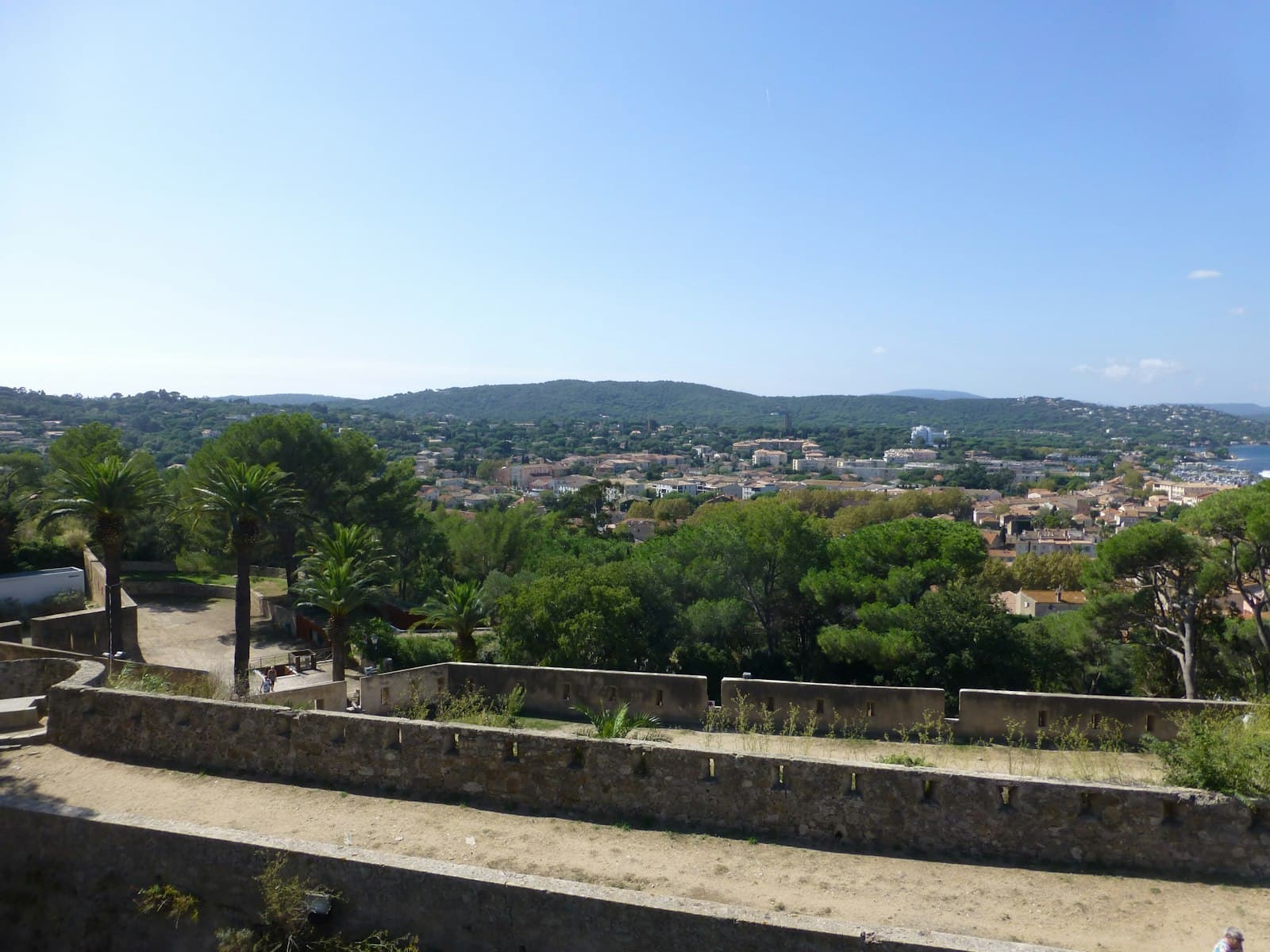 Photo: La coccinelle / Unsplash
Tour de audio autoguiado de Ansouis — ruta GPS a pie, reproducción offline, narración en 32 idiomas.
“Donde las piedras milenarias narran sagas provenzales.”
No las postales. Las historias que ni los locales conocen — al oído, justo donde ocurrieron.
Esta fortaleza milenaria, hoy residencia de placer, guarda un secreto en sus aposentos privados.
El austero exterior de esta iglesia del siglo XII esconde un interior inesperado.
Este museo, dedicado al mar, fue fundado por un apasionado buceador y artista, e incluye una sorpresa inmersiva.
Descubre todos los secretos de Ansouis
Cada dirección, cada revelación al completo — a tu oído, justo donde ocurrió.
Eliges tus paradas. Caminas. La voz te revela lo que los demás ignoran.


Tu tour de audioguía por Ansouis te espera — elige tus lugares, tu idioma y empieza al llegar.
ComprarLume incluye una guía de realidad aumentada. Levanta el móvil y su cámara muestra la calle que tienes delante, con una flecha luminosa sobre la imagen real que siempre apunta a tu próxima parada — sin mapas que descifrar, sin giros equivocados. Como todo en Lume, funciona completamente sin conexión.
Ansouis, un pueblo del Luberon, es reconocido como uno de "Los Pueblos Más Bonitos de Francia". Se asienta sobre un afloramiento rocoso, dominando el valle del Aigues, con casas construidas en semicírculo en la ladera sur para ofrecer refugio del Mistral. Esta posición estratégica, que históricamente controlaba la ruta entre Aix-en-Provence y Apt, llevó a su fortificación durante la Edad Media.
El pueblo invita a los visitantes a pasear por sus pasajes empedrados, descubrir plazas escondidas y absorber las vistas de la región del Luberon. Ansouis ofrece una fusión de historia, cultura y esplendor natural, proporcionando una experiencia provenzal por excelencia. Su atmósfera tranquila y su encanto perdurable lo convierten en un destino notable para quienes buscan tanto la paz como una conexión con el pasado.
Más allá de su atractivo visual, Ansouis funciona como un centro cultural con museos, galerías de arte y talleres de artesanía. La economía del pueblo se sustenta en el turismo y la agricultura, particularmente la viticultura, con viñedos que producen vinos AOC Côtes du Luberon.
La evidencia más temprana de actividad humana en Ansouis data del Paleolítico, con herramientas de sílex talladas descubiertas de alrededor del 8.500 a.C. También se han encontrado herramientas de pulido neolíticas, piedras de moler y cerámica. Las monedas griegas indican que la zona fue habitada más tarde por ligures, que comerciaban con la población griega de Marsella.
El pueblo aparece por primera vez en registros escritos en el año 963 d.C., cuando Lambert de Reillanne donó tierras en "d'Ansoye" a la Abadía de Saint-Pierre de Montmajour. Su ubicación estratégica, ideal para supervisar la carretera entre Aix-en-Provence y Apt, llevó a su fortificación durante la Edad Media. El recinto protector inicial del pueblo fue construido en forma de anfiteatro durante los siglos XII y XIII. En la cima de la colina, el castillo comenzó como una fortaleza militar en el siglo IX o X, con una torre central y cuatro torres defensivas.
En 1178, la poderosa familia Sabran adquirió el feudo, y su escudo familiar, con un león, representaría al pueblo durante los siguientes ocho siglos. Las murallas fortificadas, algunas que datan de principios del siglo XIII, se integraron más tarde en el castillo en el siglo XVI y ahora están clasificadas como Monumento Histórico. A principios del siglo XVII, el castillo pasó a la familia Escalis, quienes transformaron la fortaleza militar en una residencia de placer. Los siglos XVII y XVIII vieron más embellecimientos, incluyendo jardines en terrazas e intrincadas yeserías, reflejando el arte de vivir aristocrático durante la Ilustración. La familia Sabran-Pontevès, que llegó a principios del siglo XIX, contribuyó más tarde a su preservación. El Castillo de Ansouis, clasificado como Monumento Histórico desde 1948, sigue siendo de propiedad privada y habitado, ofreciendo visitas guiadas para compartir su historia y colecciones.
Ansouis ofrece una colección de lugares de interés, comenzando con el Castillo de Ansouis, un castillo de propiedad privada y habitado que recibe visitantes para visitas guiadas. Sus interiores exhiben muebles, tapices y notables yeserías de los siglos XVII y XVIII, mientras que sus jardines en terrazas ofrecen amplias vistas del valle del Aigues y el Monte Sainte-Victoire.
Adyacente al castillo, la Iglesia de Saint-Martin, que data de finales del siglo XII, presenta un exterior fortificado que contrasta con su interior adornado. Dentro del pueblo, el Museo Extraordinario, fundado por Georges Mazoyer, exhibe colecciones marinas, fósiles y el arte del fundador, incluyendo una gruta submarina inmersiva. Para los entusiastas del vino, el Museo de Artes y Oficios del Vino en el Castillo Turcan, ubicado cerca, presenta más de 3.000 objetos relacionados con la producción de vino.
Pasear por las estrechas calles empedradas de Ansouis revela relojes de sol, pasajes antiguos y detalles arquitectónicos inesperados. El Balcón del Barri ofrece un punto de vista sobre el Luberon, con vistas a Lourmarin y Cucuron. También hay galerías de arte y estudios de cerámica en todo el pueblo.
Las épocas más agradables para visitar Ansouis son durante la primavera (abril a junio) y el otoño (septiembre a octubre). Durante estos meses, el clima es templado y el pueblo experimenta menos aglomeraciones. Los veranos en Ansouis son cortos, secos y cálidos, siendo julio el mes más caluroso, con un promedio de 29 °C (85 °F). Para actividades de clima cálido, principios de julio a mediados de agosto es ideal. Los inviernos son largos, fríos y ventosos, siendo enero el mes más frío, con un promedio de 0 °C (32 °F). La precipitación es más alta en octubre y más baja en julio.
Ansouis se encuentra aproximadamente a 30 km al norte de Aix-en-Provence y a 10 km al sureste de Lourmarin. El pueblo es accesible en coche, con un gran aparcamiento disponible al pie del Boulevard des Platanes, cerca de la entrada al antiguo centro medieval. Los baños públicos se encuentran cerca de la Place Saint Elzéar.
Hay visitas guiadas al Castillo de Ansouis, generalmente por las tardes de abril a finales de octubre. El pago de las visitas al castillo es solo en efectivo o cheque, ya que no se aceptan tarjetas de crédito. El Museo Extraordinario está abierto por las tardes durante todo el año. El día de mercado local en Ansouis es el domingo por la mañana. La Oficina de Turismo puede ser contactada en el (+33)4 90 07 50 29.
Ansouis en coreano, en chino o en hebreo — y 29 idiomas más, cada parada narrada por una voz nativa. La mayor variedad de idiomas de cualquier audioguía autoguiada.
Disponible en: