Pont Julien
Este antiguo puente romano, en pie desde hace más de dos milenios, guarda un secreto sobre su notable resistencia contra el río Calavon.
La historia completa se desbloquea en el tour
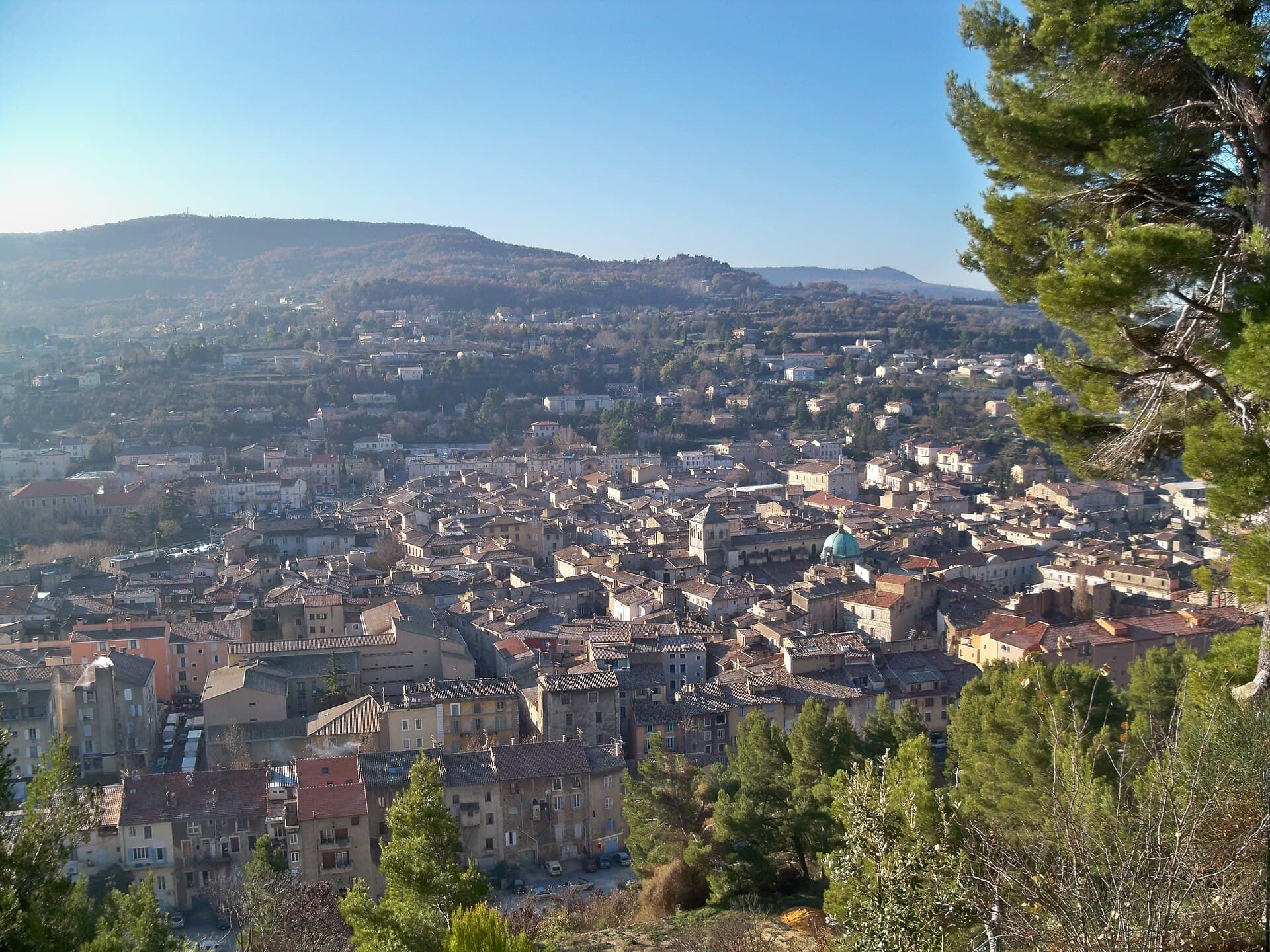 Véronique PAGNIER / CC0, via Wikimedia Commons
Tour de audio autoguiado de Apt — ruta GPS a pie, reproducción offline, narración en 32 idiomas.
“Apt: Donde los ecos romanos se encuentran con la dulzura provenzal.”
No las postales. Las historias que ni los locales conocen — al oído, justo donde ocurrieron.
Este antiguo puente romano, en pie desde hace más de dos milenios, guarda un secreto sobre su notable resistencia contra el río Calavon.
Debajo de la gran catedral de Apt yace una historia mucho más antigua que la iglesia visible.
Apt es conocida como la capital mundial de la fruta confitada, pero esta dulce tradición tiene una sorprendente conexión papal.
Descubre todos los secretos de Apt
Cada dirección, cada revelación al completo — a tu oído, justo donde ocurrió.
Eliges tus paradas. Caminas. La voz te revela lo que los demás ignoran.


Tu tour de audioguía por Apt te espera — elige tus lugares, tu idioma y empieza al llegar.
ComprarLume incluye una guía de realidad aumentada. Levanta el móvil y su cámara muestra la calle que tienes delante, con una flecha luminosa sobre la imagen real que siempre apunta a tu próxima parada — sin mapas que descifrar, sin giros equivocados. Como todo en Lume, funciona completamente sin conexión.
Apt, a menudo llamada la capital del Luberon, ofrece una auténtica porción de la vida provenzal, lejos de la perfección pulida de algunos de sus vecinos más famosos. Sus raíces se extienden a lo largo de más de dos milenios, convirtiéndola en una de las ciudades habitadas continuamente más antiguas de Provenza. Fundada como Apta Julia por Julio César en el 45 a.C., rápidamente se convirtió en un centro estratégico, un cruce de caminos donde bienes, culturas y ejércitos convergieron una vez.
Hoy, Apt conserva su carácter auténtico, una ciudad viva donde la historia se superpone en cada piedra y calle. Es un lugar donde los cimientos romanos se asoman a través de muros medievales, y los lugareños se reúnen semanalmente para un mercado que ha funcionado durante casi mil años. Apt no solo existe para los visitantes; vive su verdad, lo que la convierte en una experiencia profundamente arraigada y auténtica en el corazón del Valle del Luberon.
## De Fortaleza Romana a Centro Medieval La historia de Apt comienza con los romanos, fundada en el 45 a.C. por Julio César como Apta Julia. Su ubicación estratégica en la Vía Domitia, la antigua calzada romana que conectaba Italia con España, aseguró su importancia como centro comercial y militar. Durante su apogeo romano en el siglo II, Apt fue un próspero centro urbano con un foro, arco triunfal, capitolio, templos, baños y un teatro, incluso acogiendo al emperador Adriano. Rastros de este pasado romano, incluyendo fragmentos de acueductos y restos del antiguo foro, yacen bajo la ciudad moderna.
Después de la era romana, Apt sufrió la destrucción por parte de lombardos y sarracenos, pero sus fortificaciones fueron reconstruidas por los Condes de Provenza. La Alta Edad Media vio la construcción de la Catedral de Santa Ana, que comenzó en 1052 y se erige como uno de los sitios de culto cristiano más antiguos de Francia. La importancia de la catedral creció aún más con el redescubrimiento tradicional de las reliquias de Santa Ana en el siglo VIII, transformando Apt en un centro de peregrinación. En 1660, Ana de Austria, madre del futuro Luis XIV, visitó Apt para orar en la catedral, impulsando la veneración de Santa Ana.
## La Fruta Confitada y la Loza Florecen Más allá de su herencia romana y religiosa, Apt desarrolló una reputación por sus tradiciones culinarias y artesanales. Para el siglo XIV, la fruta confitada se convirtió en una especialidad, con textos históricos que mencionan ofrendas a los Papas y el nombramiento de confiteros de Apt para la corte papal en Aviñón. Madame de Sévigné describió famosamente a Apt como un "caldero de mermelada" en el siglo XVII, un testimonio de su floreciente industria de mermeladas. Hoy, Apt es reconocida como la capital mundial de la fruta confitada, un "Sitio Notable del Gusto".
La ciudad también tiene una larga tradición alfarera, gracias a su suelo arcilloso y ocre. El estilo único de loza "marmolado aptesiano" o "terres mêlées", una ingeniosa mezcla de arcillas de colores, se originó aquí, con la industria alcanzando su punto máximo en el siglo XVIII.
Apt ofrece una mezcla de sitios históricos y auténticas experiencias provenzales. La Catedral de Santa Ana es una estructura significativa, con estilos arquitectónicos que abarcan desde el siglo XI hasta el XVIII. Sus criptas, particularmente la inferior, revelan cimientos que datan de un edificio romano del siglo I. Pasee por las estrechas y sinuosas calles del casco antiguo, descubra pasajes abovedados y relájese en plazas arboladas con sus fuentes. Todavía se pueden ver restos de las antiguas fortificaciones de la ciudad romana, como la puerta de Saignon y la Torre del Hospital.
Ninguna visita a Apt está completa sin experimentar su legendario mercado de los sábados. Con más de 900 años de antigüedad, es una de las tradiciones más antiguas y duraderas de Provenza, transformando el casco antiguo con más de 300 puestos que venden productos locales, quesos, embutidos, lavanda, telas provenzales y, por supuesto, las famosas frutas confitadas. Un mercado de agricultores más pequeño tiene lugar los martes por la mañana, y durante la temporada de trufas (de noviembre a marzo), se celebra un mercado de trufas los sábados por la mañana en la Place de la Bouquerie.
Para los interesados en la especialidad dulce de Apt, visite La Maison du Fruit Confit para degustar y comprar fruta confitada y explorar un museo sobre su historia. El Musée d'Apt también ofrece información sobre la historia y arqueología de la ciudad, construido sobre las ruinas de un teatro romano. Justo a las afueras de Apt, cerca de Bonnieux, se encuentra el notablemente conservado Pont Julien, un puente romano que data del 3 a.C. y que transportó tráfico durante más de dos milenios.
Apt experimenta un clima mediterráneo clásico con veranos calurosos y secos e inviernos suaves y húmedos. La mejor época para actividades de clima cálido es desde principios de julio hasta mediados de agosto, cuando las temperaturas promedian alrededor de 30°C (85°F) con precipitaciones mínimas y cielos despejados. Sin embargo, esta es también la temporada alta de visitantes, lo que significa mayores multitudes.
Para un equilibrio de clima agradable y menos multitudes, considere visitar en primavera (abril-mayo) o principios de otoño (septiembre). Septiembre ofrece días cálidos, temperaturas agradables alrededor de 25-28°C (77-82°F) y el comienzo de la vendimia, con mercados rebosantes de productos de finales de verano y las primeras trufas. La primavera trae flores silvestres y un suave calentamiento, ideal para caminar. Los inviernos son más tranquilos, con temperaturas que rara vez bajan de cero, ofreciendo una experiencia diferente y más serena.
Apt está estratégicamente ubicada en el Valle del Calavon, lo que la convierte en una base práctica para explorar la región del Luberon. Se encuentra a unos 30 km al este de Cavaillon y a 50 km de Aviñón. Si conduce, hay estacionamiento disponible a lo largo del río Calavon cerca de la entrada del casco antiguo. Las calles del casco antiguo son empedradas e irregulares, por lo que se recomiendan zapatos cómodos. La oficina principal de turismo se encuentra en 788 Avenue Victor Hugo.
Aunque el transporte público conecta los principales centros, un coche de alquiler es más práctico para llegar a los pueblos más pequeños del Luberon. Los sábados, especialmente durante el verano, el mercado atrae a un número significativo de personas, por lo que es aconsejable llegar temprano para estacionar con facilidad. Un servicio de autobús gratuito opera entre la oficina de turismo y el mercado en julio y agosto. Apt ofrece varias comodidades, incluyendo restaurantes, tiendas, clínicas médicas y opciones de alojamiento como apartamentos con cocina en el casco antiguo.
Apt en coreano, en chino o en hebreo — y 29 idiomas más, cada parada narrada por una voz nativa. La mayor variedad de idiomas de cualquier audioguía autoguiada.
Disponible en: