Le Bleuet Bookshop
Banon, a small Provençal village, cradles an unexpectedly vast literary treasure.
Full story unlocks in the tour
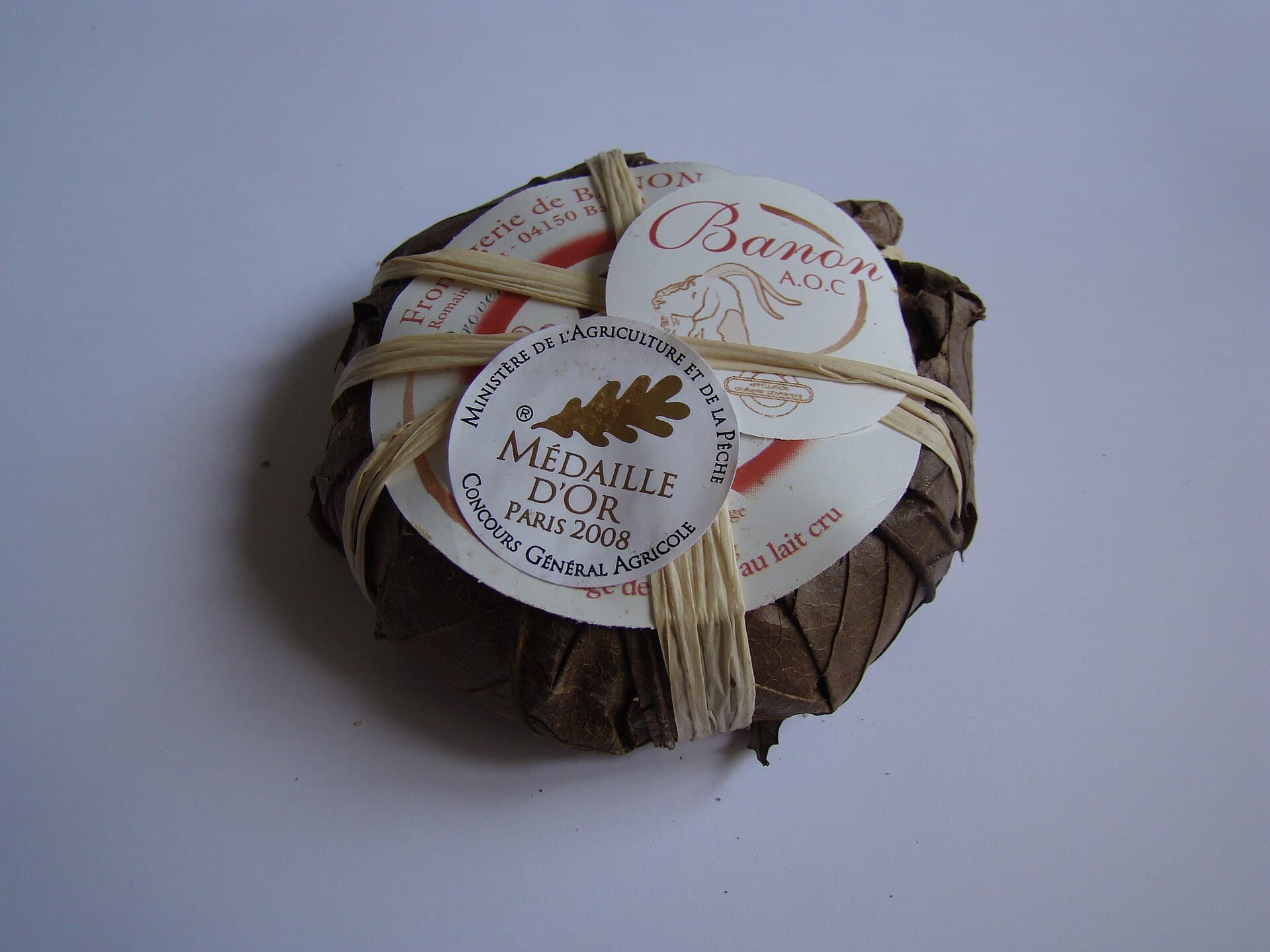 Abujoy / cc by-sa 2.0, via Wikimedia Commons
Self-guided audio walking tour of Banon — GPS route, offline playback, story-driven narration in 32 languages.
“Where ancient stones meet fragrant fields, Banon breathes the scent of cheese, books, and lavender-laced air.”
Not the postcards. The stories even locals don't know — whispered in your ear, right where they happened.
Banon, a small Provençal village, cradles an unexpectedly vast literary treasure.
The distinctive taste of Banon cheese stems from more than just goat's milk.
Banon's medieval church has undergone a surprising transformation.
Discover every secret of Banon
Every address, every reveal in full — in your ear, right where it happened.
You pick your stops. You walk. The voice reveals what the others miss.


Your self-guided audio tour of Banon is ready — pick your landmarks, choose your language, and start the moment you arrive.
BuyLume has a built-in augmented-reality guide. Hold your phone up and its camera shows the street ahead of you, with a glowing arrow laid over the real view that always points to your next stop — no map to puzzle over, no wrong turns. Like everything in Lume, it works fully offline.
Banon, a captivating village in the Alpes-de-Haute-Provence region of southeastern France, rests gracefully on a hilltop, overseeing a landscape of lavender fields, grain plains, and aromatic hills. With a population just over 1,000 residents, it retains an authentic and natural character. The village is marked by its medieval architecture, with old stone houses, arched passages, and narrow, winding streets that climb the hillside. Banon offers a blend of historical allure and a strong local identity, deeply connected to its agricultural roots, particularly its celebrated goat cheese and the surrounding lavender fields.
This Provençal village, situated between the Lure and Ventoux mountains and against the Albion plateau, invites visitors to slow their pace and appreciate its serene atmosphere. From various viewpoints within the village, especially from the square of the former Hôtel-Dieu at the summit, expansive vistas of the surrounding region unfold. Beyond its visual appeal, Banon engages the senses with the perfume of lavender in summer and the flavors of its local produce, making it a destination for those seeking a genuine Provençal experience.
The history of Banon stretches back to at least the 11th and 12th centuries, when it was known as castrum banonum and featured a fortified castle belonging to the Simiane family. The medieval village was a formidable stronghold, protected by ramparts that measured 800 meters in circumference, one meter thick, and ten meters high. A 14th-century machicolated gate served as the primary entrance to this fortified settlement. The castle itself underwent remodeling in the 13th century, further solidifying Banon's defensive capabilities.
During the French Revolution, the castle was tragically burned down, and its last owner, Alexandre de Tournon-Simiane, was forced to flee. The upper church, initially a chapel for the castle's residents, became an official parish church in 1350. While the upper village maintained its medieval character, the town began to expand into the plain below in the 19th century, particularly between 1840 and 1880. This period also saw a significant population decline due to rural exodus, a trend that began to reverse in the 1960s, leading to a stabilization of the population. Today, the preserved ancient ruins and historical structures throughout Banon continue to narrate the story of its profound medieval past.
Begin your exploration of Banon by wandering through its old streets, which reveal beautiful houses, ancient doors, and carved lintels. Enter the fortified village through the impressive 14th-century machicolated gate. At the village's summit, you'll find the remains of the castle ramparts and the upper church, now a cultural center hosting art exhibitions. The square of the former Hôtel-Dieu offers sweeping views of the surrounding lavender fields and the Lure and Ventoux mountains.
A visit to Le Bleuet bookshop is essential. It is one of the largest independent bookstores in rural France, with over 110,000 titles. For a deeper dive into local culture, the Banon Cheese Ecomuseum, open from April to November, details the history and production of the village's famous goat cheese. You can also discover the lower part of the village, which features wider streets and small shops. For outdoor enthusiasts, numerous hiking and mountain biking trails are accessible from Banon, with the nearby Lure mountain offering remarkable scenery and signposted paths.
The best time to visit Banon is from May to early July or from September to early October. During late June and early July, the lavender fields around Banon are typically in full bloom, creating a deeply colored blue and purple landscape. Due to Banon's higher altitude on the Albion plateau, its lavender season often extends into mid-July or even mid-August, offering a longer viewing window than some other Provençal areas. Spring (March-May) brings mild weather and blossoming trees, while autumn (September-October) offers pleasant temperatures and fewer crowds.
Banon is located in the Alpes-de-Haute-Provence department. While public transportation options exist, renting a car is the most convenient way to explore Banon and the surrounding Provençal region. From Forcalquier, it's about a 30-minute drive via the D950. The village has a population of approximately 1,070 residents. Banon hosts a large market every Tuesday morning, and a smaller Provençal market on Saturday mornings, offering local produce, cheeses, and other specialties. Accommodation options in and around Banon include gîtes, guest rooms, and vacation rentals. The local Tourist Office in Place de la République can provide information on services and lodging.
Banon in Korean, in Chinese or in Hebrew — and 29 more languages, every stop narrated by a native voice. The widest language range of any self-guided audio tour.
Available in: