Poverty Bay
Le nom « Poverty Bay » pourrait suggérer un paysage aride, mais la vérité derrière son appellation révèle un moment de frustration pour un célèbre explorateur.
L'histoire complète se débloque dans le tour
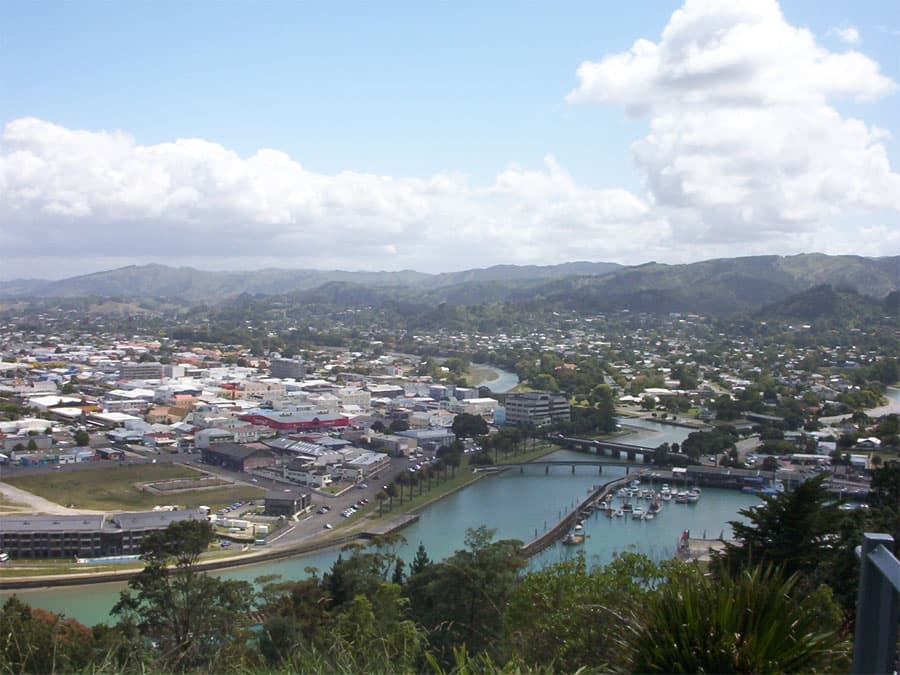 Unknown author / CC BY 2.0, via Wikimedia Commons
Visite audio autoguidée de Gisborne — parcours GPS à pied, lecture hors ligne, narration en 32 langues.
“Là où le soleil embrasse la terre en premier, et les histoires sont aussi profondes que l'océan.”
Pas les cartes postales. Les histoires que même les habitants ignorent — soufflées à l'oreille, là où elles se sont passées.
Le nom « Poverty Bay » pourrait suggérer un paysage aride, mais la vérité derrière son appellation révèle un moment de frustration pour un célèbre explorateur.
Cette étendue de littoral apparemment ordinaire revêt une double signification, marquant deux arrivées pivots dans l'histoire de la Nouvelle-Zélande, à plusieurs siècles d'intervalle.
Gisborne est connue comme la « Capitale du Chardonnay » de Nouvelle-Zélande, mais les origines viticoles de la région ont commencé avec un but surprenant et plus sacré.
Découvrez tous les secrets de Gisborne
Chaque adresse, chaque révélation en entier — dans ton oreille, là où elle s'est passée.
Tu choisis tes lieux. Tu marches. La voix te révèle ce que les autres ignorent.


Lume intègre un guide en réalité augmentée. Levez votre téléphone : sa caméra montre la rue devant vous, avec une flèche lumineuse posée sur l'image réelle qui pointe toujours vers votre prochain arrêt — aucune carte à déchiffrer, aucun mauvais virage. Comme tout dans Lume, ça fonctionne entièrement hors-ligne.
Gisborne, connue en maori sous le nom de Tairāwhiti, signifiant « la côte sur laquelle le soleil brille à travers l'eau », est une ville captivante de la côte est de l'île du Nord de la Nouvelle-Zélande. Elle détient fièrement la distinction d'être l'une des premières villes au monde à saluer le soleil chaque jour, une particularité géographique qui a façonné son identité et sa signification culturelle pendant des siècles. Ce havre côtier offre un mélange unique de profond héritage maori, d'histoire européenne pionnière et d'un mode de vie détendu et ensoleillé qui attire les visiteurs en quête d'une expérience néo-zélandaise authentique.
Au-delà de ses célèbres levers de soleil, Gisborne est une région aux paysages diversifiés, des plages de sable doré parfaites pour le surf et la baignade aux plaines fertiles qui soutiennent une industrie viticole florissante. La ville elle-même, nichée autour de la confluence des rivières Tūranganui, Waimata et Taruheru, sert de porte d'entrée à la région plus vaste de Tairāwhiti, une zone célébrée pour sa beauté naturelle, ses activités de plein air et sa culture locale. Que vous soyez attiré par l'attrait d'être parmi les premiers à voir le nouveau jour, l'appel des vagues, ou le désir de plonger dans de profondes narrations historiques, Gisborne offre un voyage distinctif et mémorable.
L'histoire de Gisborne est tissée de fils d'anciens voyages polynésiens et d'importantes rencontres européennes. La région, connue des Maoris sous le nom de Tūranganui-a-Kiwa, signifiant « le grand lieu de Kiwa », a été colonisée par les tribus maories vers le XIVe siècle. Ces premiers colons, arrivant sur des waka tels que le Horouta et le Te Ikaroa-a-Rauru, furent attirés par les terres fertiles, l'abondance des pêcheries et l'emplacement côtier stratégique. Kaiti Hill (Titirangi) était un site de pa (villages fortifiés) stratégiques, surplombant ce qui est aujourd'hui Poverty Bay.
En octobre 1769, le Capitaine James Cook, à bord du HMS Endeavour, effectua son premier débarquement en Nouvelle-Zélande à ce qui est aujourd'hui la réserve historique nationale de Puhi Kai Iti / Cook Landing sur Kaiti Beach. Cette première rencontre avec les Maoris locaux fut cependant semée de malentendus et entraîna des conflits et des pertes de vies humaines. Incapable d'obtenir les provisions dont il avait besoin, Cook nomma célèbrement la baie « Poverty Bay ».
La colonisation européenne de la région commença vers 1831, se concentrant initialement sur la chasse à la baleine et le commerce. La ville fut officiellement aménagée en 1870 et nommée Tūranga, mais fut renommée Gisborne en 1872 pour éviter toute confusion avec Tauranga. L'établissement d'un port fut crucial pour la croissance de la région, facilitant l'exportation des produits agricoles d'une zone largement isolée par les montagnes. L'élevage ovin, la foresterie et la culture des céréales formèrent l'épine dorsale de l'économie primitive.
Le XXe siècle vit Gisborne développer son caractère distinctif, mêlant ses racines agricoles à un style de vie côtier en plein essor. La région devint un acteur important de l'industrie viticole néo-zélandaise, en particulier à partir des années 1970, et développa une forte culture du surf. Aujourd'hui, Gisborne continue d'embrasser son double héritage, avec des traditions maories profondément ancrées dans ses noms de lieux, sa structure sociale et ses expressions culturelles.
Commencez votre exploration à la Réserve historique nationale de Puhi Kai Iti / Cook Landing, où des monuments et des panneaux d'interprétation racontent l'histoire des arrivées maories et européennes. Pour des vues imprenables sur Poverty Bay, le port et la ville, montez à Kaiti Hill (Titirangi), accessible en voiture, à vélo ou à pied. Le Musée Tairāwhiti offre une excellente plongée dans l'histoire et la culture de la région, y compris des artefacts maoris et l'exposition unique du navire Star of Canada.
Découvrez les célèbres levers de soleil de Gisborne depuis Wainui Beach ou Midway Beach, des endroits populaires pour les habitants et les visiteurs. Pour une aventure naturelle unique, dirigez-vous vers l'intérieur des terres jusqu'au Rere Rockslide, un toboggan aquatique naturel de 60 mètres de long. À proximité, les chutes de Rere offrent un endroit pittoresque pour pique-niquer. Les amateurs de vin peuvent explorer la Route des Vins de Gisborne, visitant des caves et des domaines viticoles pour déguster le célèbre Chardonnay de la région et d'autres cépages. Ne manquez pas un voyage à la Jetée de Tolaga Bay, une impressionnante structure historique de 660 mètres de long, parfaite pour la pêche ou une promenade pittoresque. Pour une immersion culturelle plus profonde, envisagez une visite guidée du Mont Hikurangi, une montagne sacrée maorie et le premier endroit de la Nouvelle-Zélande continentale à voir le soleil.
Gisborne bénéficie d'un climat chaud et ensoleillé avec environ 2 200 heures d'ensoleillement par an, ce qui en fait une destination agréable toute l'année. La meilleure période pour les activités par temps chaud et les plages est pendant l'été (de décembre à mars), avec des températures diurnes moyennes de 24°C (75°F) et des eaux océaniques plus chaudes. C'est aussi la haute saison pour les événements et les festivals. L'automne (de mars à mai) offre des journées chaudes, moins de foules et d'excellentes conditions de surf. L'hiver (de juin à août) est plus doux que dans de nombreuses autres villes de Nouvelle-Zélande, avec de bonnes houles de surf et un ciel clair pour observer les étoiles. Le printemps (de septembre à novembre) apporte une amélioration du temps et la floraison des vignobles.
Gisborne est située sur la côte est de l'île du Nord de la Nouvelle-Zélande. L'aéroport de Gisborne (GIS) propose des vols quotidiens depuis les principales villes néo-zélandaises via Air New Zealand Link. Les autocars InterCity proposent également des services de bus vers Gisborne. Bien que le centre-ville soit praticable à pied et que de nombreuses attractions soient accessibles à pied ou à vélo, les transports en commun à Gisborne sont limités à un service de bus en semaine (Gizzy Bus) ; des taxis sont disponibles pour les autres moments. Louer une voiture offre la plus grande flexibilité pour explorer la région. Les options d'hébergement vont des motels et hôtels aux parcs de vacances en bord de mer. La Nouvelle-Zélande utilise le dollar néo-zélandais (NZD). L'anglais et le maori sont les langues officielles. Gisborne est connue pour son atmosphère détendue, alors adoptez le rythme plus lent. N'oubliez pas qu'une taxe de conservation et de tourisme pour les visiteurs internationaux (IVL) s'applique à la plupart des visiteurs internationaux.
Gisborne en coréen, en chinois ou en hébreu — et dans 29 autres langues, chaque étape narrée par une voix native. La plus large gamme de langues de tous les audioguides autoguidés.
Disponible en :