Hamilton East
Un paseo tranquilo a lo largo del río Waikato podría revelar un sorprendente vestigio del pasado de Hamilton, un testigo silencioso de una fuga audaz.
La historia completa se desbloquea en el tour
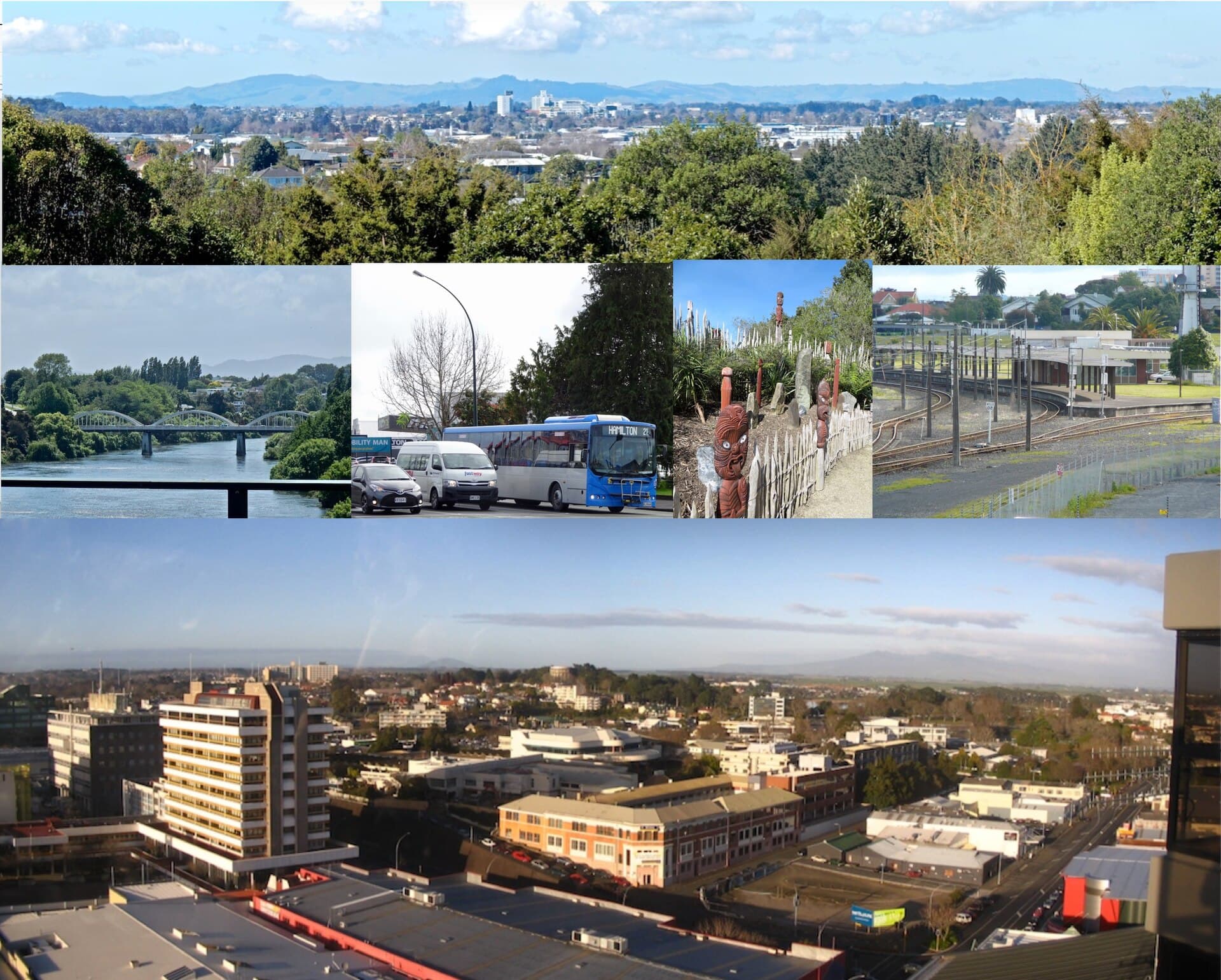 Johnragla / CC BY-SA 4.0, via Wikimedia Commons
Tour de audio autoguiado de Hamilton — ruta GPS a pie, reproducción offline, narración en 32 idiomas.
“Más allá de los jardines, una ciudad de sorpresas silenciosas.”
No las postales. Las historias que ni los locales conocen — al oído, justo donde ocurrieron.
Un paseo tranquilo a lo largo del río Waikato podría revelar un sorprendente vestigio del pasado de Hamilton, un testigo silencioso de una fuga audaz.
Este suburbio de Hamilton guarda una parte más oscura y poderosa de la historia meteorológica de Nueva Zelanda.
El río más largo de Nueva Zelanda, el Waikato, fue una vez una frontera contenciosa.
Descubre todos los secretos de Hamilton
Cada dirección, cada revelación al completo — a tu oído, justo donde ocurrió.
Eliges tus paradas. Caminas. La voz te revela lo que los demás ignoran.


Tu tour de audioguía por Hamilton te espera — elige tus lugares, tu idioma y empieza al llegar.
ComprarHamilton, conocida como Kirikiriroa en maorí, es la cuarta ciudad más poblada de Nueva Zelanda, ubicada en el interior de la Isla Norte a orillas del río Waikato. A menudo llamada coloquialmente 'The Tron' o 'H-Town', es una ciudad que ha crecido rápidamente desde sus orígenes como asentamiento militar hasta convertirse en un centro urbano dinámico. Si bien puede que no ofrezca los dramáticos paisajes costeros de algunos destinos de Nueva Zelanda, Hamilton presenta una mezcla única de exuberantes espacios verdes, una fuerte herencia agrícola y una floreciente escena artística y cultural.
La identidad de la ciudad está profundamente entrelazada con el río Waikato, el río más largo de Nueva Zelanda, que fluye graciosamente durante 16 kilómetros por su corazón. Esta vital vía fluvial proporciona un punto focal para la recreación y ofrece vistas panorámicas, contribuyendo a la reputación de Hamilton como una ciudad con una abundancia de parques y áreas abiertas. Con una importante población maorí y más de ochenta grupos étnicos, Hamilton es una ciudad culturalmente diversa, que ofrece una atmósfera acogedora y un ritmo de vida relajado.
El área ahora conocida como Hamilton fue originalmente el hogar de varios pueblos maoríes, o kāinga, incluidos Te Parapara, Pukete, Miropiko y Kirikiriroa, de donde la ciudad deriva su nombre maorí, que significa 'largo tramo de grava'. Estas comunidades, principalmente del linaje iwi (tribu) Tainui, prosperaron a lo largo de las fértiles orillas del río Waikato, utilizando sus recursos para alimentos, agua y como una ruta de transporte crucial. Aún se pueden encontrar evidencias de estos primeros asentamientos, incluidos sitios pā y pozos de almacenamiento de alimentos (rua), cerca del río.
El asentamiento europeo comenzó en 1864, después de la Invasión de Waikato y la confiscación de tierras maoríes. El asentamiento fue establecido por la 4ª Milicia del Regimiento de Waikato y nombrado en honor al Capitán John Fane Charles Hamilton, un oficial de la Royal Navy muerto durante la Batalla de Gate Pā en el mismo año. Inicialmente, Hamilton sirvió como un puesto militar, con dos reductos en lados opuestos del río Waikato, actuando como una posición defensiva para los colonos británicos.
Durante un tiempo, Hamilton se desarrolló como dos asentamientos distintos, Hamilton East y Hamilton West, separados por el río y conectados solo por transbordador. Esto cambió en 1877 cuando las dos comunidades se fusionaron para asegurar un préstamo gubernamental para un puente, lo que llevó a la construcción del acertadamente llamado Puente Union en 1879. El crecimiento temprano de la ciudad fue lento, con muchos soldados-colonos abandonando sus tierras debido a su mala calidad. Sin embargo, el drenaje de los pantanos circundantes y el desarrollo de la ganadería lechera en la región de Waikato transformaron a Hamilton en un centro vital de servicios y comercio para los agricultores. La llegada del ferrocarril a Frankton en 1878 y la posterior construcción de un puente ferroviario solidificaron aún más el papel de Hamilton como un centro logístico clave para la Isla Norte.
Hamilton se convirtió oficialmente en ciudad en 1945, momento en el que su población había alcanzado los 22,000 habitantes. A mediados del siglo XX se produjeron importantes desarrollos, incluida la creación de la Universidad de Waikato en 1964 y el Instituto de Tecnología de Waikato en 1966, lo que mejoró el enfoque de la ciudad en la educación. Hoy en día, Hamilton es reconocida por su crecimiento dinámico, su población diversa y su continua importancia como centro agrícola, educativo y cultural en Nueva Zelanda.
Hamilton ofrece una variedad de atracciones que combinan la belleza natural con experiencias culturales. Los Jardines de Hamilton, aclamados internacionalmente, son un destino en sí mismos, ofreciendo un 'museo viviente' único de diseño de jardines con 18 jardines temáticos de todo el mundo. Puede explorar estos diversos paisajes a su propio ritmo o con una audioguía.
El río Waikato, una característica central de la ciudad, ofrece oportunidades para cruceros panorámicos, senderos para caminar y ciclovías. Victoria on the River, un parque estilo anfiteatro galardonado, ofrece un lugar privilegiado para relajarse y disfrutar de las vistas del río. Para una inmersión más profunda en la historia local y la cultura maorí, el Museo Waikato Te Whare Taonga o Waikato es una excelente parada.
Más allá de los límites de la ciudad, la región ofrece más exploración. Realice una excursión de un día a las Cuevas de Waitomo para presenciar las hipnotizantes luciérnagas, o adéntrese en el mundo mágico del set de rodaje de Hobbiton, a poca distancia en coche en Matamata. Para los entusiastas de la naturaleza, Sanctuary Mountain Maungatautari ofrece una oportunidad única de experimentar la selva nativa de Nueva Zelanda y la vida silvestre en peligro de extinción dentro de un entorno libre de depredadores.
Hamilton disfruta de un clima oceánico templado con cuatro estaciones distintas. La mejor época para visitar para actividades de clima cálido es durante el verano (diciembre a febrero), cuando las temperaturas diarias promedio oscilan entre 13°C y 26°C, con largas horas de luz y menos precipitaciones. Esto es ideal para explorar los Jardines de Hamilton y otras atracciones al aire libre. La primavera (septiembre a noviembre) y principios de otoño (marzo a mayo) también ofrecen un clima agradable con temperaturas suaves y menos multitudes, lo que las convierte en excelentes opciones para hacer turismo y actividades al aire libre. El invierno (junio a agosto) es más fresco y húmedo, pero puede ser una buena opción para un viaje más tranquilo si no le importa el clima más frío.
Hamilton es fácilmente accesible por carretera, con importantes carreteras estatales que la conectan con otras ciudades de la Isla Norte como Auckland y Wellington. El transporte público dentro de la ciudad y a los pueblos circundantes se realiza principalmente a través de servicios de autobús operados por el Consejo Regional de Waikato. El tren de pasajeros Te Huia también ofrece servicios diarios entre Hamilton y Auckland. El aeropuerto de Hamilton ofrece vuelos nacionales e internacionales.
La moneda oficial es el Dólar Neozelandés (NZD). Si bien Nueva Zelanda es en gran medida una sociedad sin efectivo, con tarjetas de crédito y débito ampliamente aceptadas, puede cambiar moneda en lugares como Lotus Foreign Exchange y Travelex en el centro de la ciudad. Las opciones de alojamiento van desde hoteles como Novotel Tainui Hamilton e Ibis Hamilton Tainui en el centro de la ciudad hasta varios moteles y apartamentos con servicios.
Hamilton es generalmente considerada una ciudad segura, particularmente en términos de desastres naturales debido a su ubicación interior. Si bien los delitos violentos siguen siendo bajos, es aconsejable tener precaución después del anochecer, especialmente si camina solo. El ayuntamiento opera patrullas de City Safe y una amplia cobertura de CCTV en el distrito central de negocios para mejorar la seguridad.
Hamilton en coreano, en chino o en hebreo — y 29 idiomas más, cada parada narrada por una voz nativa. La mayor variedad de idiomas de cualquier audioguía autoguiada.
Disponible en: