Cabos de Whakatāne
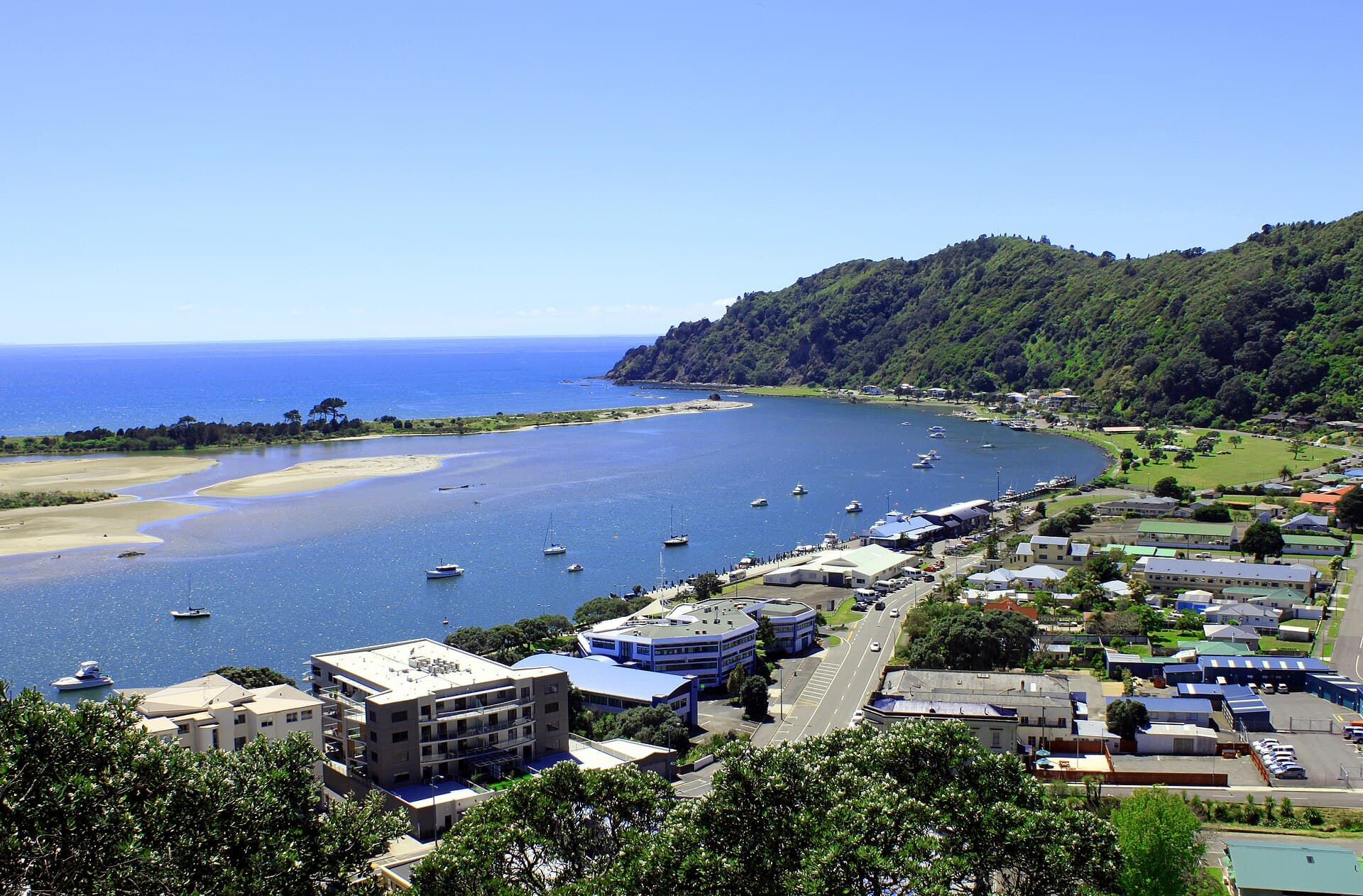
La estatua de bronce de Wairaka en los Cabos de Whakatāne no es solo un punto de referencia paisajístico; conmemora un momento de desafío que literalmente salvó el futuro de la ciudad.
La historia completa se desbloquea en el tour
 Chris Thompson / CC BY 2.0, via Wikimedia Commons
Tour de audio autoguiado de Whakatāne — ruta GPS a pie, reproducción offline, narración en 32 idiomas.
“Donde las antiguas leyendas se encuentran con costas doradas y el sol brilla con más intensidad.”
No las postales. Las historias que ni los locales conocen — al oído, justo donde ocurrieron.
La estatua de bronce de Wairaka en los Cabos de Whakatāne no es solo un punto de referencia paisajístico; conmemora un momento de desafío que literalmente salvó el futuro de la ciudad.
Justo frente a la costa de Whakatāne se encuentra una isla santuario que una vez fue un bullicioso centro para una industria no tan encantadora.
Las fértiles tierras de cultivo que rodean Whakatāne no siempre fueron como aparecen hoy; una transformación masiva remodeló el paisaje y el destino de la ciudad.
Descubre todos los secretos de Whakatāne
Cada dirección, cada revelación al completo — a tu oído, justo donde ocurrió.
Eliges tus paradas. Caminas. La voz te revela lo que los demás ignoran.

Tu tour de audioguía por Whakatāne te espera — elige tus lugares, tu idioma y empieza al llegar.
ComprarLume incluye una guía de realidad aumentada. Levanta el móvil y su cámara muestra la calle que tienes delante, con una flecha luminosa sobre la imagen real que siempre apunta a tu próxima parada — sin mapas que descifrar, sin giros equivocados. Como todo en Lume, funciona completamente sin conexión.
Whakatāne, ubicada en la bahía oriental de Plenty en la Isla Norte de Nueva Zelanda, es una ciudad donde las antiguas leyendas maoríes se entrelazan con la vida cotidiana, y el sol a menudo brilla con más intensidad que en cualquier otro lugar del país. Este asentamiento costero, en la desembocadura del río Whakatāne, es uno de los lugares habitados continuamente más antiguos de Nueva Zelanda, con sitios pā maoríes que datan de alrededor del 1200 d.C.
Más allá de sus profundas raíces culturales, Whakatāne sirve como puerta de entrada a diversos paisajes naturales, desde las arenas doradas de la playa de Ōhope, reconocida repetidamente como una de las mejores de Nueva Zelanda, hasta el volcán marino activo de Whakaari/White Island en alta mar. Con un clima costero templado y abundante sol, ofrece un estilo de vida relajado y una gran cantidad de actividades al aire libre, lo que la convierte en un destino atractivo para quienes buscan aventura y una profunda conexión con la historia.
## Asentamiento maorí temprano y orígenes legendarios La historia de Whakatāne está profundamente arraigada en la tradición maorí, con asentamientos que datan de más de un milenio. Las tradiciones orales hablan de Tiwakawaka, un nieto del legendario navegante Māui, como uno de los primeros habitantes hace más de 1.000 años, que se asentó en la zona entonces conocida como Kakahoroa. Alrededor del 1150 d.C., llegó Toi-te-huatahi, o Toi-kai-rakau, estableciendo un pā en Kapu-te-rangi, uno de los sitios fortificados más antiguos conocidos de Nueva Zelanda, con vistas a la ciudad actual.
El mismo nombre de la ciudad, Whakatāne, conmemora un momento crucial alrededor del 1350 d.C. con la llegada de la waka (canoa) Mataatua. Cuando los hombres desembarcaron, la canoa comenzó a irse a la deriva. Wairaka, hija del jefe Toroa, desafió la tradición al tomar un remo y, con otras mujeres, remó la waka a un lugar seguro, declarando: "Kia whakatāne au i ahau" ("Déjame actuar como un hombre"). Una estatua de bronce de Wairaka en los Cabos de Whakatāne ahora inmortaliza este acto de valentía.
## Llegada europea y era colonial El capitán James Cook cartografió la costa de la Bahía de Plenty en 1769, pero los asentamientos europeos permanentes, principalmente puestos comerciales y misiones, no aparecieron hasta la década de 1830. La región se convirtió en un importante centro de construcción naval y comercio a partir de 1880, exportando lino, trigo, maíz y patatas a otras partes de Nueva Zelanda y Australia. Este período de crecimiento se impulsó aún más con el drenaje del pantano de Rangitāiki para convertirlo en tierras de cultivo productivas a partir de 1904, lo que llevó a Whakatāne a ser una de las ciudades de más rápido crecimiento a principios de la década de 1920.
Sin embargo, el asentamiento europeo también trajo conflictos. La región de Whakatāne fue un sitio importante durante las Guerras de Nueva Zelanda de mediados del siglo XIX, particularmente afectada por eventos como el incidente de Völkner en 1865 y las incursiones de las fuerzas de Te Kooti en 1869, que llevaron a confiscaciones de tierras y al estacionamiento temporal de la policía armada. A pesar de estos desafíos, Whakatāne continuó desarrollándose, con el establecimiento de una fábrica de cartón en 1939, que sigue siendo un importante empleador hoy en día.
## Whakatāne moderna Hoy en día, Whakatāne es el principal centro de servicios y administrativo para la Bahía Oriental de Plenty, conocida por su fuerte herencia cultural maorí y su animada escena artística. La arquitectura de la ciudad refleja el encuentro de las culturas maorí y europea, con un entorno urbano compacto moldeado por el río y las colinas circundantes. Sigue siendo un centro para actividades al aire libre, beneficiándose de su clima templado y abundante sol.
Comience su exploración en los Cabos de Whakatāne, donde se encuentra la icónica estatua de bronce de Wairaka, que conmemora una leyenda maorí fundamental. Desde aquí, disfrute de vistas panorámicas del río Whakatāne que se encuentra con el mar. Un corto viaje en coche o a pie lo lleva a la playa de Ōhope, frecuentemente elogiada como una de las mejores de Nueva Zelanda, que ofrece 11 kilómetros de arena dorada perfectos para nadar, surfear o simplemente relajarse.
Para una inmersión más profunda en la naturaleza, embárquese en el sendero Ngā Tapuwae o Toi, un sendero escénico que conduce a antiguos sitios pā, bosques nativos y colonias de aves marinas, ofreciendo amplias vistas costeras. Considere una visita guiada al Santuario de Vida Silvestre de Moutohorā (Isla Ballena), una isla protegida donde puede encontrar vida silvestre nativa e incluso cavar su propia piscina de aguas termales en Sulphur Bay. El Museo y Centro de Investigación del Distrito de Whakatāne, Te Kōputu a te whanga a Toi, ofrece información sobre la profunda herencia maorí y europea de la región a través de sus colecciones y exposiciones. No pierda la oportunidad de experimentar la cultura maorí de primera mano en el Mataatua Wharenui, una magnífica casa de reuniones tallada con una notable historia. Para los entusiastas de la comida, explore el Mercado Dominical de Whakatāne en busca de productos locales o disfrute de mariscos frescos en la Granja de Ostras de Ohiwa.
Whakatāne disfruta de un clima templado y suave con abundante sol durante todo el año, lo que la convierte en un destino atractivo en cualquier estación. Los veranos (diciembre a febrero) son cálidos y cómodos, con máximas promedio de alrededor de 22-24°C (72-75°F), ideales para actividades de playa y turismo. Los inviernos (junio a agosto) son suaves, con máximas promedio de 15°C (59°F) y mínimas de 5-8°C (41-46°F), y aunque más húmedos, rara vez experimentan un frío intenso. Las temporadas intermedias de primavera y otoño ofrecen condiciones agradables con cambios graduales de temperatura. Para actividades de clima cálido, desde finales de diciembre hasta mediados de marzo se considera la mejor época.
Whakatāne es una ciudad compacta, y muchos lugares de interés centrales son fácilmente accesibles a pie o en bicicleta. Para explorar el distrito más amplio y sus numerosas atracciones, alquilar un coche es la opción más fácil y recomendada, con aparcamiento generalmente gratuito disponible (aunque algunas zonas tienen límites de tiempo). El aeropuerto de Whakatāne (WHK) ofrece vuelos directos desde Auckland, mientras que muchos viajeros también vuelan a Tauranga o Rotorua y conducen aproximadamente una hora hasta Whakatāne. Hay servicios limitados de autobús público dentro de la ciudad y a Ōhope.
Las opciones de alojamiento en Whakatāne se adaptan a una variedad de preferencias y presupuestos, incluyendo moteles, apartamentos con servicios, parques de vacaciones y bed & breakfasts boutique. La ciudad ofrece una variedad de experiencias gastronómicas, desde restaurantes informales que sirven productos locales y mariscos hasta restaurantes que ofrecen cocina neozelandesa y europea.
Whakatāne en coreano, en chino o en hebreo — y 29 idiomas más, cada parada narrada por una voz nativa. La mayor variedad de idiomas de cualquier audioguía autoguiada.
Disponible en: