El Village des Bories
Un conjunto de chozas de piedra tan antiguas que se creían prehistóricas. No lo son.
La historia completa se desbloquea en el tour
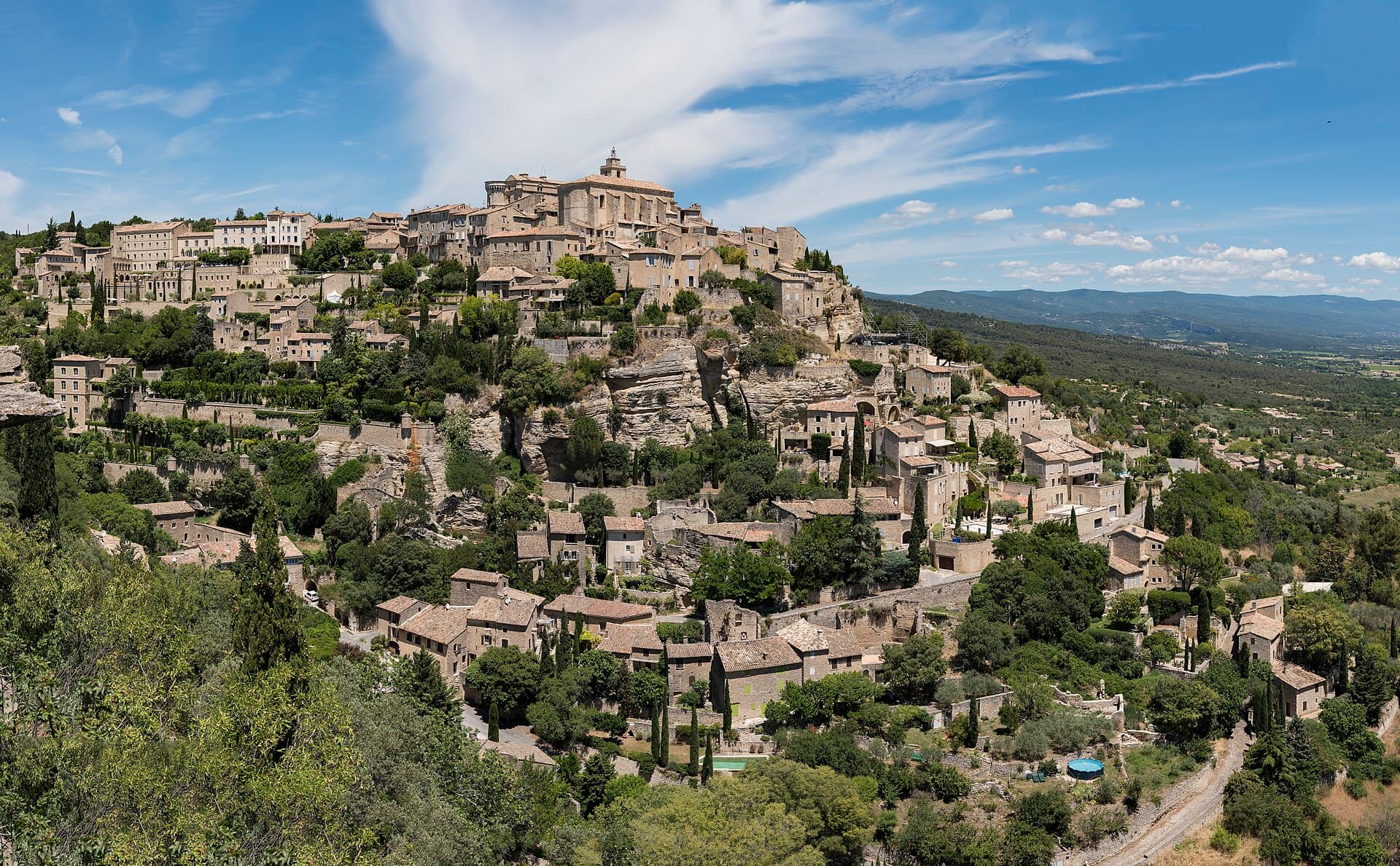 Chensiyuan / CC BY-SA 4.0, via Wikimedia Commons
Tour de audio autoguiado de Gordes — ruta GPS a pie, reproducción offline, narración en 32 idiomas.
“Un pueblo de piedra clara apilado sobre un valle, con más cosas enterradas debajo que erguidas encima.”
No las postales. Las historias que ni los locales conocen — al oído, justo donde ocurrieron.
Un conjunto de chozas de piedra tan antiguas que se creían prehistóricas. No lo son.
La lavanda de todas las postales de Provenza es más joven que tu abuela.
Cuando ya no hay sitio para construir hacia fuera, solo queda una dirección.
Descubre todos los secretos de Gordes
Cada dirección, cada revelación al completo — a tu oído, justo donde ocurrió.
Eliges tus paradas. Caminas. La voz te revela lo que los demás ignoran.
Tu tour de audioguía por Gordes te espera — elige tus lugares, tu idioma y empieza al llegar.
ComprarLume incluye una guía de realidad aumentada. Levanta el móvil y su cámara muestra la calle que tienes delante, con una flecha luminosa sobre la imagen real que siempre apunta a tu próxima parada — sin mapas que descifrar, sin giros equivocados. Como todo en Lume, funciona completamente sin conexión.
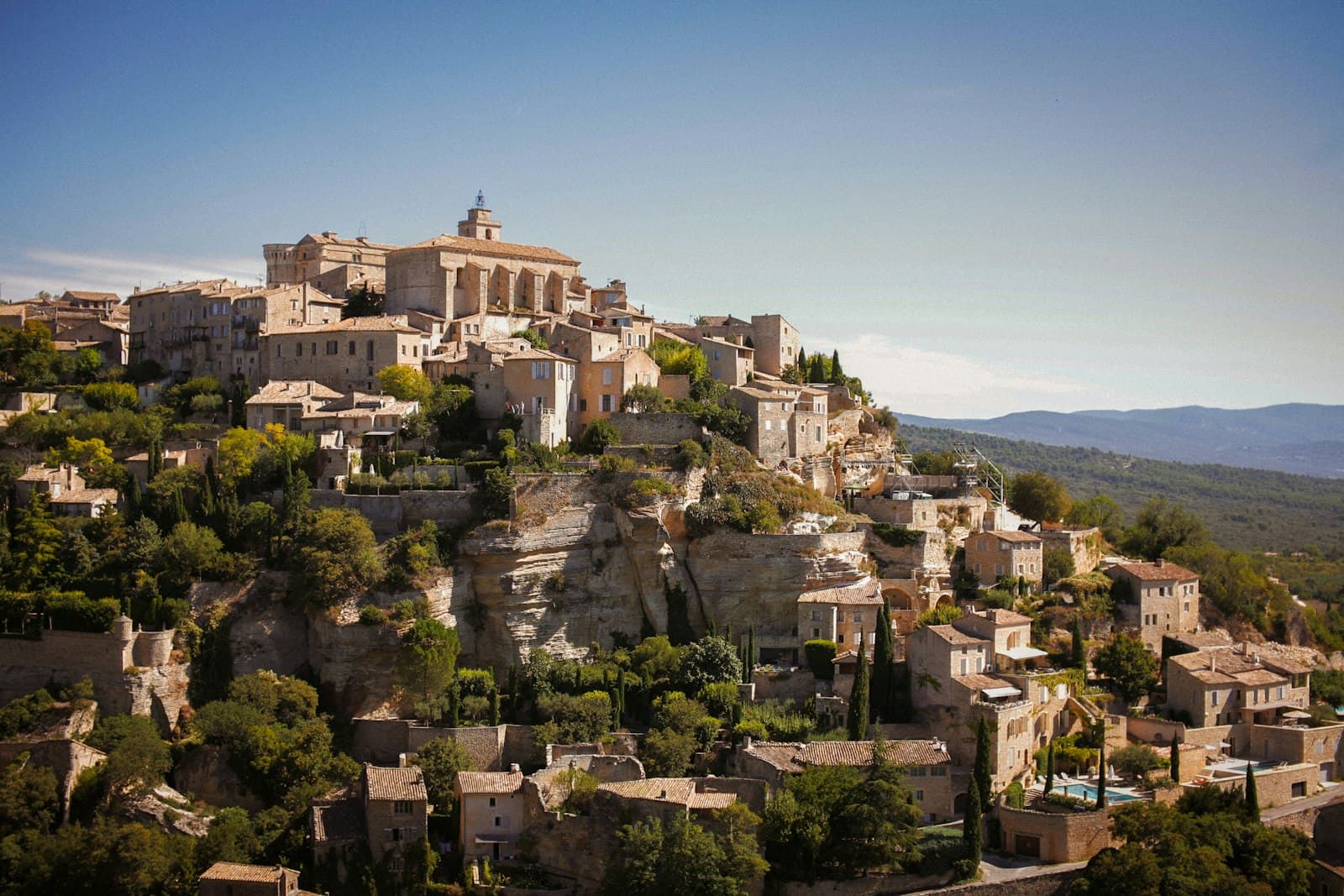
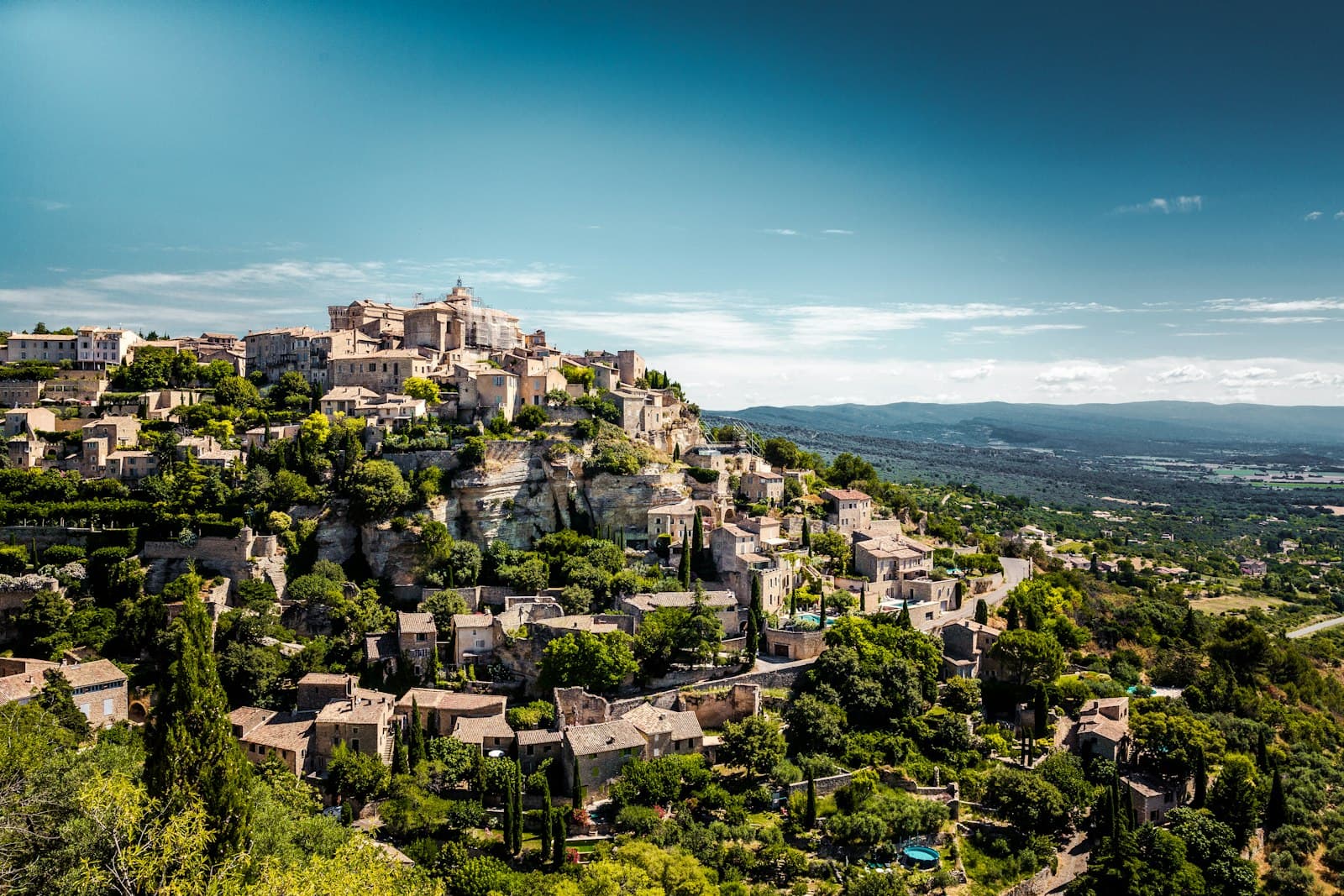
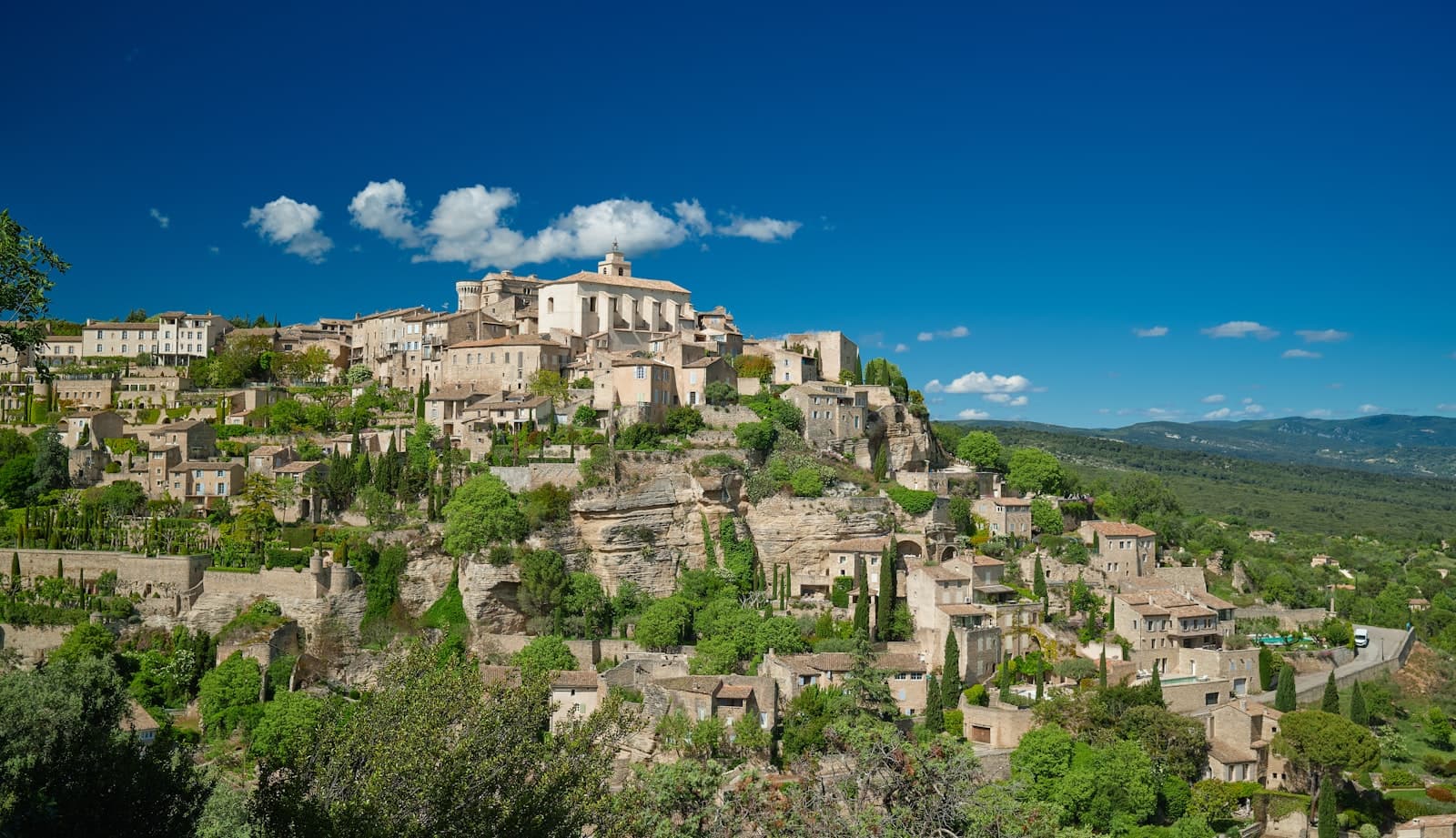
La mayoría ve Gordes diez segundos, por la ventanilla del coche, desde la carretera de enfrente. El pueblo trepa por una sola roca gris en piedra clara teñida de ocre, casa sobre casa hasta un castillo renacentista, y es de verdad una de las grandes vistas de Provenza. Luego suben, aparcan, comen y se van.
El paseo es para la otra versión. Esa en la que te das cuenta de que Gordes está construido tanto hacia abajo como hacia arriba, de que sus calles más bonitas son rampas empedradas llamadas calades, de que la lavanda por la que se viene es una idea reciente, y de que el pueblo de postal que tienes delante fue reducido a escombros en una época que aún recuerdan personas vivas. Gordes guarda lo mejor bajo la superficie, justo fuera del encuadre.
Hay una fortaleza en esta roca desde hace mil años: un castillo se menciona aquí en 1031 y se llama nobile castrum ya en 1123. La fortaleza medieval se reconstruyó en estilo renacentista entre 1525 y 1541 por Bertrand Rambaud de Simiane, y la gran chimenea fechada en 1541 sigue en pie dentro.
Como el pueblo se asienta sobre roca desnuda, casi sin terreno llano, los habitantes de Gordes hicieron algo insólito: excavaron. Las Caves du Palais Saint-Firmin bajan por siete niveles y casi 20 metros, talleres y un enorme molino de aceite tallados en la roca entre los siglos XI y XVIII. En las colinas, los campesinos que despejaban campos en los siglos XVII y XVIII usaron la piedra interminable para levantar las chozas de piedra seca del Village des Bories, habitado hasta 1839 y luego abandonado.
El capítulo más oscuro es reciente. Gordes fue un centro activo de la Resistencia, y el 22 de agosto de 1944, tras una escaramuza con el maquis, las fuerzas alemanas bombardearon el pueblo desde la roca de enfrente y dinamitaron casas para bloquear la persecución. Unos veinte edificios fueron destruidos y trece personas murieron bajo la ocupación. En 1948 Gordes fue citada « villa mártir » y recibió la Cruz de Guerra con estrella de plata. En esos mismos años llegaron los pintores —André Lhote, Chagall, Vasarely— y un pueblo bombardeado se reinventó como colonia de artistas.
La vista desde la carretera del valle (D15). Antes de subir, párate en la carretera que viene de Cavaillon para el panorama clásico del pueblo entero apilado sobre su roca. La luz de la mañana y del final del día es la más bonita.
El castillo renacentista. En lo alto del pueblo, reconstruido entre 1525 y 1541, salvado de la ruina por el pintor del arte óptico Victor Vasarely en los años 1960. Entra por la chimenea de 1541, de más de siete metros de ancho.
Las Caves du Palais Saint-Firmin. El Gordes subterráneo: siete niveles de bodegas, silos y un viejo molino de aceite. Una bajada corta, extraña y fresca en el calor del día; audioguía incluida.
El Village des Bories. A un par de kilómetros del pueblo: un caserío restaurado de chozas de piedra seca por aproximación de hiladas, levantadas sin mortero, declarado monumento histórico. Lleva calzado de verdad: el suelo es de piedra desigual.
La abadía de Sénanque. Una abadía cisterciense en activo fundada en 1148, en un pliegue de las colinas más abajo. El campo de lavanda de delante es el famoso; todo lo demás es más antiguo y más tranquilo.
Las calades. Simplemente camina el casco viejo. Las rampas empedradas, los pasajes abovedados y el modo en que se apilan las casas son lo esencial.
Para la lavanda en Sénanque: de mediados de junio a mediados de julio, con el pico entre finales de junio y mediados de julio. Fuera de esas semanas la abadía sigue mereciendo la pena, pero el campo morado estará cortado o verde.
Para tranquilidad: temprano por la mañana o al final de la tarde, sobre todo en Sénanque, donde el aparcamiento es muy limitado y los autobuses llegan a media mañana. Las vistas del valle también son mejores al principio y al final del día.
Temporada: los veranos provenzales son calurosos y Gordes tiene poca sombra en las calles abiertas; las cuevas subterráneas son un alivio real al mediodía. La primavera y septiembre dan la luz sin las aglomeraciones. El invierno es frío y muy tranquilo, con horarios reducidos; consulta los sitios antes de ir.
Cómo llegar: Gordes está en el Vaucluse, en el Luberon, lo más fácil en coche desde Aviñón o Cavaillon. El transporte público es escaso.
Aparcamiento: El pueblo tiene aparcamiento de pago; llega temprano en verano, porque se llena. En Sénanque el aparcamiento es muy limitado: ven temprano o tarde, o baja andando.
Abadía de Sénanque: Sigue siendo un monasterio vivo. Se exige silencio en las zonas de oración, viste con discreción y consulta senanque.fr para los horarios antes de visitar (la tienda suele abrir de lunes a sábado de 10:00 a 17:00 y los domingos desde las 13:45).
Caves du Palais Saint-Firmin: Abiertas según temporada; la visita individual dura unos 30 minutos con audioguía gratuita. Las escaleras son empinadas: poco indicadas para movilidad reducida.
Village des Bories: Un corto trayecto en coche más una caminata sobre piedra desigual; calzado resistente y agua en verano.
A pie: El casco viejo es empinado y empedrado. Aquí el calzado cómodo importa más que en casi cualquier otro sitio.
Gordes en coreano, en chino o en hebreo — y 29 idiomas más, cada parada narrada por una voz nativa. La mayor variedad de idiomas de cualquier audioguía autoguiada.
Disponible en: