Chemin du Paradis
Antes de las rutas modernas, llegar a Gourdon implicaba un viaje con un nombre muy apropiado.
La historia completa se desbloquea en el tour
 Unknown author / CC BY-SA 3.0, via Wikimedia Commons
Tour de audio autoguiado de Gourdon — ruta GPS a pie, reproducción offline, narración en 32 idiomas.
“Donde las piedras ancestrales se encuentran con el cielo inmenso.”
No las postales. Las historias que ni los locales conocen — al oído, justo donde ocurrieron.
Antes de las rutas modernas, llegar a Gourdon implicaba un viaje con un nombre muy apropiado.
Los grandes jardines del castillo poseen una conexión inesperada con la realeza francesa.
Este amplio mirador lleva el nombre de una monarca reconocida, aunque no por la razón que uno podría suponer al principio.
Descubre todos los secretos de Gourdon
Cada dirección, cada revelación al completo — a tu oído, justo donde ocurrió.
Eliges tus paradas. Caminas. La voz te revela lo que los demás ignoran.


Tu tour de audioguía por Gourdon te espera — elige tus lugares, tu idioma y empieza al llegar.
ComprarLume incluye una guía de realidad aumentada. Levanta el móvil y su cámara muestra la calle que tienes delante, con una flecha luminosa sobre la imagen real que siempre apunta a tu próxima parada — sin mapas que descifrar, sin giros equivocados. Como todo en Lume, funciona completamente sin conexión.
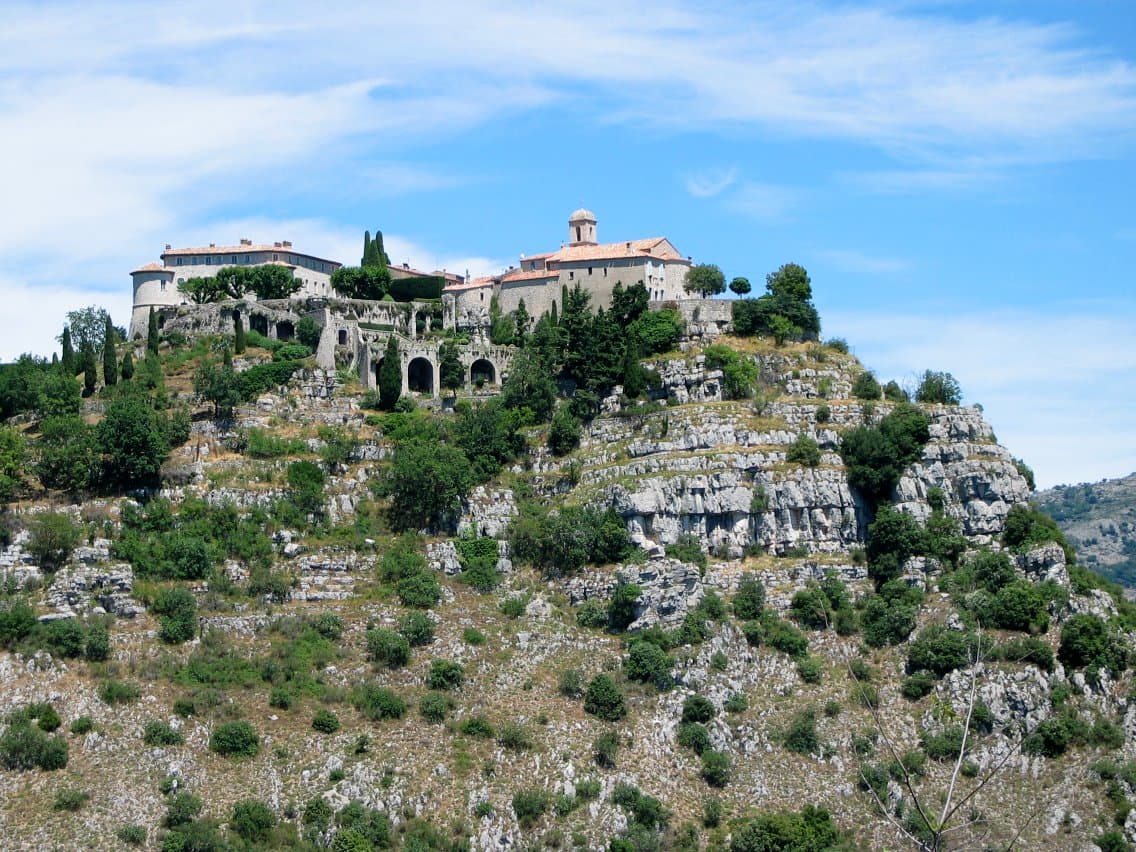
Gourdon, un pueblo medieval en los Alpes Marítimos, presenta una fusión de arquitectura histórica y esplendor natural. Frecuentemente conocido como el 'Nido del Águila' debido a su elevación de 760 metros sobre el nivel del mar, el pueblo ofrece amplias vistas del Valle del Loup y el Mar Mediterráneo, extendiéndose desde Niza hasta Théoule-sur-Mer. Sus casas de piedra, senderos estrechos y puerta de entrada fortificada evocan un viaje al pasado.
Designado como uno de 'Les Plus Beaux Villages de France' (Los Pueblos Más Bonitos de Francia), Gourdon conserva un encanto auténtico. Aunque de tamaño modesto, con una población de solo unos pocos cientos, sirve como destino para quienes buscan tranquilidad, exploración histórica y paisajes dramáticos. El pueblo también actúa como centro para la artesanía local, incluyendo perfumerías tradicionales, fabricantes de jabón y artesanos del vidrio.
Se recomienda conducir hasta Gourdon, ya que las opciones de transporte público son limitadas, lo que contribuye a su atmósfera preservada y menos transitada. Es un excelente punto de partida para explorar el Parque Natural Regional de los Prealpes de Azur, con oportunidades para practicar senderismo, parapente y descubrir las Gorges du Loup.
La historia de Gourdon se extiende a épocas prehistóricas, con evidencia de asentamientos humanos tempranos descubiertos en cuevas locales. La importancia estratégica de su posición elevada fue reconocida tempranamente, sirviendo el sitio como refugio y lugar defensivo. Sus orígenes como asentamiento fortificado datan del siglo VIII, establecido para defenderse de las incursiones sarracenas.
Para el siglo IX, una fortaleza ocupaba el sitio, que más tarde evolucionó hacia el Château de Gourdon. Este castillo experimentó un mayor desarrollo en el siglo XII por los Condes de Provenza. Con el tiempo, el castillo pasó por varias familias nobles, sufriendo transformaciones sustanciales, particularmente durante el Renacimiento y nuevamente en el siglo XVII, cuando fue reconstruido en su configuración actual.
El pueblo en sí creció alrededor del castillo, adoptando un diseño concéntrico característico de las ciudades medievales. Sus calles estrechas y estructuras de piedra, muchas de ellas datando de la Edad Media, reflejan esta larga cronología. Los atributos defensivos de Gourdon, como sus gruesas murallas y una única entrada, hablan de su pasado como fortaleza. La puerta fortificada del siglo XIV aún se mantiene en pie, guiando a los visitantes al corazón del casco antiguo.
En el siglo XVI, Gourdon experimentó prosperidad, particularmente a través de sus industrias de tejido y comercio de telas. El pueblo también ha desempeñado un papel en la industria del perfume de la región, con talleres de perfume tradicionales y jardines perfumados. En 1918, una mujer estadounidense, la señorita Mae Noris, adquirió el Château de Gourdon y más tarde lo abrió como museo en 1938. Aunque el castillo está actualmente cerrado al público, su imponente silueta e importancia histórica siguen siendo centrales para la identidad de Gourdon.
Comience su viaje en la Place Victoria, que ofrece una vista panorámica de la Costa Azul, el Valle del Loup y, en días claros, vistas que se extienden hasta las islas Lérins y el macizo del Esterel. Desde aquí, pasee por los estrechos caminos empedrados del pueblo, bordeados de casas tradicionales. Estas callejuelas albergan numerosos talleres de artesanos y tiendas que venden productos locales, incluidos perfumes, arte en vidrio y cerámica.
El Château de Gourdon, aunque en gran parte inaccesible al público, es una característica prominente del pueblo. Su exterior y murallas medievales son visibles, y los célebres jardines, diseñados por André Le Nôtre, a veces se pueden explorar con cita previa. La Iglesia Románica de Saint-Vincent, que data del siglo XII, es otro monumento histórico que buscar. También puede descubrir las Capillas de Saint Pons y Saint Ambrose.
Más allá del pueblo, el área circundante presenta atractivos naturales. Las Gorges du Loup, con sus dramáticos acantilados y cascadas como las Cascades du Saut du Loup, se encuentran a poca distancia en coche y ofrecen oportunidades para caminar y disfrutar del entorno natural. El 'Chemin du Paradis', un histórico sendero de mulas, ofrece una caminata desafiante pero gratificante desde el valle de abajo.
La época más agradable para visitar Gourdon para actividades al aire libre y exploración es generalmente de mediados de junio a mediados de septiembre. Durante estos meses, el clima es suave y los cielos están más despejados, proporcionando condiciones óptimas para apreciar las amplias vistas. Julio es típicamente el mes más cálido, con máximas promedio alrededor de 25°C (77°F). El castillo y sus jardines también suelen estar abiertos de abril a septiembre. Una visita en otoño también puede ser atractiva, con el cambio de hojas añadiendo un telón de fondo pintoresco.
A Gourdon se llega más fácilmente en coche, ya que las opciones de transporte público son limitadas y a menudo requieren transbordos o reserva anticipada. El viaje desde Niza o Cannes dura aproximadamente una hora, ofreciendo rutas panorámicas. Hay zonas de aparcamiento gratuito disponibles en la base del pueblo, desde donde se puede subir a la zona peatonal.
El pueblo en sí es pequeño y fácil de explorar a pie. Aunque el Château de Gourdon generalmente está cerrado a los visitantes individuales, sus jardines pueden ser accesibles para grupos con cita previa. La Oficina de Turismo de Gourdon, situada en la Place Victoria, puede proporcionar mapas, horarios culturales e información sobre puntos de interés locales y paseos guiados.
Para aquellos interesados en la artesanía local, muchas tiendas ofrecen perfumes, cristalería y otros productos artesanales. Varios restaurantes en Gourdon brindan la oportunidad de saborear la cocina provenzal, algunos con terrazas que ofrecen vistas al valle.
Gourdon en coreano, en chino o en hebreo — y 29 idiomas más, cada parada narrada por una voz nativa. La mayor variedad de idiomas de cualquier audioguía autoguiada.
Disponible en: