La Torre de la 'Garganta Abierta'
Una de las torres medievales de Lucéram presenta un detalle arquitectónico peculiar, aparentemente ilógico para una estructura defensiva.
La historia completa se desbloquea en el tour
 Jpmgir / Public domain, via Wikimedia Commons
Tour de audio autoguiado de Lucéram — ruta GPS a pie, reproducción offline, narración en 32 idiomas.
“Donde el carácter medieval se encuentra con la maravilla festiva en los Alpes Marítimos.”
No las postales. Las historias que ni los locales conocen — al oído, justo donde ocurrieron.
Una de las torres medievales de Lucéram presenta un detalle arquitectónico peculiar, aparentemente ilógico para una estructura defensiva.
Dentro de la grandeza barroca de la iglesia principal de Lucéram, una estatua de plata narra una historia que entrelaza la fe cristiana con antiguas creencias precristianas.
Cada invierno, el tranquilo pueblo de Lucéram se transforma en un reino de belenes, pero estos están lejos de ser los típicos pesebres navideños.
Descubre todos los secretos de Lucéram
Cada dirección, cada revelación al completo — a tu oído, justo donde ocurrió.
Eliges tus paradas. Caminas. La voz te revela lo que los demás ignoran.


Tu tour de audioguía por Lucéram te espera — elige tus lugares, tu idioma y empieza al llegar.
ComprarLume incluye una guía de realidad aumentada. Levanta el móvil y su cámara muestra la calle que tienes delante, con una flecha luminosa sobre la imagen real que siempre apunta a tu próxima parada — sin mapas que descifrar, sin giros equivocados. Como todo en Lume, funciona completamente sin conexión.
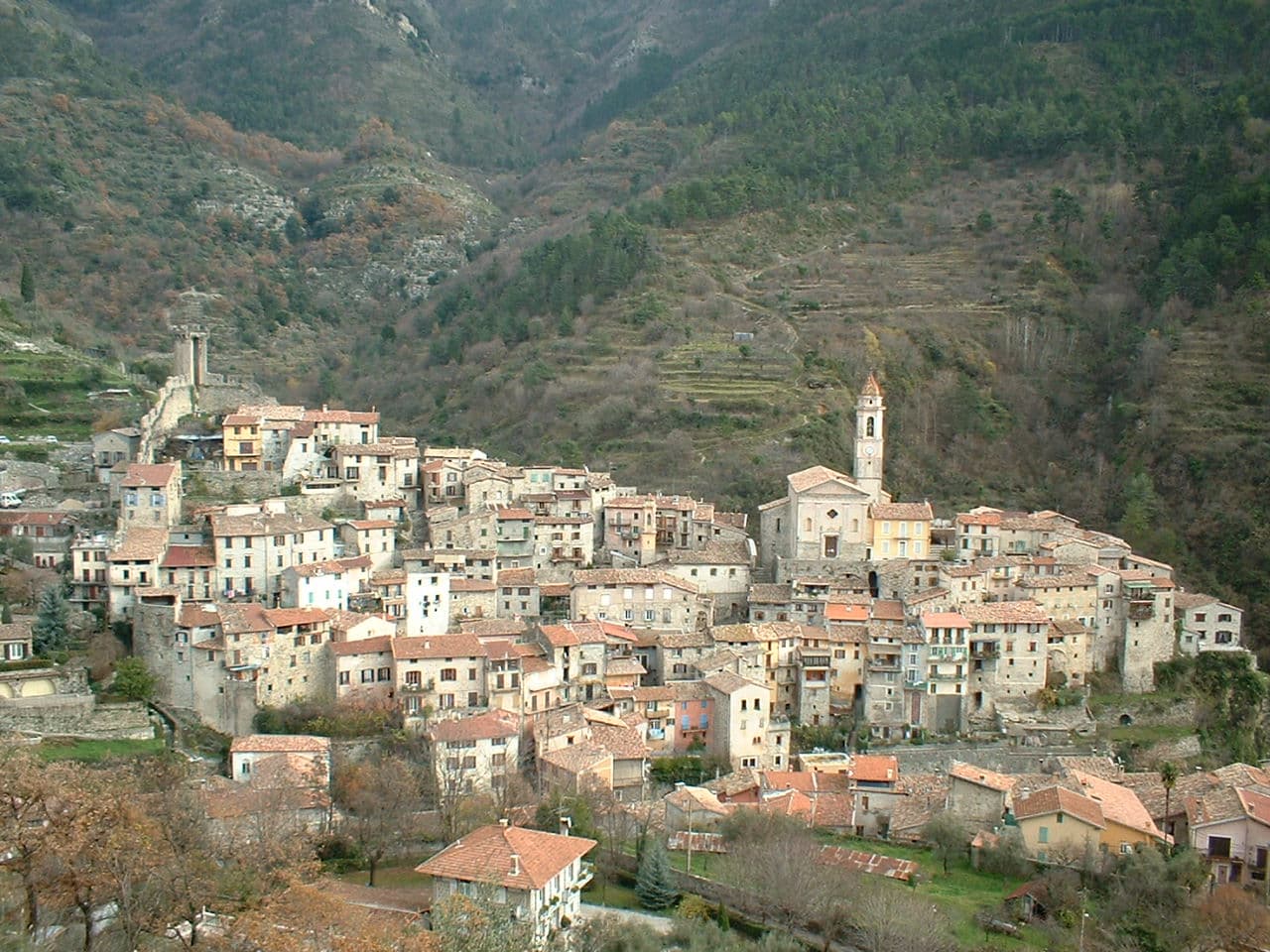
Asentado sobre un espolón rocoso en los Alpes Marítimos, Lucéram es un pueblo medieval que invita a un viaje a través del tiempo. Aproximadamente a 27 kilómetros al noreste de Niza, este asentamiento fortificado contempla el verde valle del río Paillon. Sus intrincadas callejuelas escalonadas, pasajes abovedados y antiguas casas de piedra invitan a la exploración, revelando un carácter cuidadosamente conservado a lo largo de los siglos. Antaño un punto estratégico en la histórica ruta de la sal, la prosperidad de Lucéram desde finales del siglo XV legó un profundo patrimonio cultural y arquitectónico.
El pueblo ofrece un escape tranquilo, un ritmo de vida diferente lejos de las bulliciosas ciudades costeras. Más allá de su atractivo histórico, Lucéram sirve como puerta de entrada al esplendor natural del interior de Niza, con numerosas rutas de senderismo que se adaptan a todos los niveles de caminantes. Ya sea buscando la contemplación tranquila entre piedras antiguas o una exploración activa de paisajes montañosos, Lucéram ofrece una atractiva fusión de historia, cultura y naturaleza.
Los orígenes de Lucéram se remontan a la época romana; artefactos como cerámica, monedas e inscripciones descubiertas en su antiguo cementerio sugieren un castrum romano en una carretera que unía La Turbie con el valle de Vésubie. La primera mención registrada de Lucéram, o 'Luceranus', aparece en textos de 1057.
Durante la Edad Media, Lucéram se desarrolló como un asentamiento fortificado en una colina, estratégicamente situado a lo largo de la vital ruta comercial de la sal que conectaba la costa con los Alpes. Permaneció bajo la propiedad del Conde de Provenza hasta 1272, cuando el pueblo obtuvo su independencia. Finales del siglo XV marcó un período floreciente para Lucéram, lo que llevó a la creación de frescos en sus capillas, intrincados retablos y una parte significativa de los tesoros que adornan su iglesia barroca.
La arquitectura defensiva del pueblo, incluyendo murallas y una singular torre de 'garganta abierta', data de esta época medieval. Aunque un castillo una vez coronó el pueblo, solo quedan ruinas, una torre cilíndrica con matacanes y restos de su recinto fortificado de los siglos XII y XIII. La Iglesia de Santa Margarita, un Monumento Histórico catalogado, fue construida a finales del siglo XV, con su fachada posteriormente remodelada en los siglos XVII y XVIII para incluir un campanario en forma de cebolla. Su interior fue 'barroquizado' a finales del siglo XVII, presentando decoración rococó. Lucéram también tiene una conexión moderna con la historia como parte de la ruta del célebre Rally de Montecarlo, con sus carreteras sinuosas que presentan una etapa desafiante para los competidores.
Comience su exploración en el corazón de Lucéram, paseando por sus estrechas calles empedradas y pasajes abovedados. La arquitectura del pueblo, con sus antiguas puertas ojivales y ventanas gemelas, ofrece una ventana a su pasado medieval.
En el punto más alto del pueblo se encuentra la Iglesia de Santa Margarita, una creación barroca construida en el sitio de un antiguo castillo medieval. En su interior, descubrirá seis retablos del siglo XV, incluyendo obras atribuidas a Louis Bréa, y un tesoro que contiene más de cuarenta piezas clasificadas de orfebrería religiosa. No pase por alto la Piedad de yeso sobre tela del siglo XIII, considerada un conmovedor ejemplo de escultura de arte popular.
Cerca de la iglesia, el Museo de Antiguos Instrumentos e Historia Local (Musée des Vieux Outils) exhibe herramientas tradicionales utilizadas en el pueblo para actividades agrícolas y domésticas, incluyendo herramientas de herrero y un corchador de aceite de oliva. El Museo de Belenes en La Placette, la antigua plaza medieval, exhibe más de 150 belenes.
Explore los restos de las fortificaciones medievales, incluyendo la distintiva torre de 'garganta abierta' y secciones de las murallas. Para probar los productos locales, visite el molino de aceite de oliva Val del Prat, un molino del siglo XVII que sigue en funcionamiento, ofreciendo visitas y degustaciones.
El momento ideal para visitar Lucéram para actividades de clima cálido es de mediados de junio a mediados de septiembre, cuando las temperaturas son agradables, promediando entre 23°C y 26°C. Los cielos también están más despejados durante julio. Si prefiere un clima más fresco y menos multitudes, considere visitar en abril, mayo u octubre. Sin embargo, para una experiencia verdaderamente distintiva, planifique su viaje entre finales de noviembre y principios de enero para presenciar el famoso Circuit des Crèches, cuando todo el pueblo se adorna con cientos de belenes.
Lucéram se encuentra a aproximadamente 27 km de Niza y es accesible en coche a través de la carretera D2566. La ruta de autobús 615 también conecta Lucéram con Niza. El pueblo en sí se caracteriza por calles de piedra empinadas, estrechas y sinuosas, por lo que se recomienda encarecidamente llevar calzado cómodo para caminar. El centro del pueblo cuenta con una oficina de información turística, un hotel-restaurante renovado y un par de otras opciones para comer. Mientras explora, recuerde que el pueblo puede ser sombrío, así que vístase abrigado, especialmente durante los meses más fríos. Para más información, la Oficina de Turismo de Lucéram se encuentra en Place Adrien Barralis.
Lucéram en coreano, en chino o en hebreo — y 29 idiomas más, cada parada narrada por una voz nativa. La mayor variedad de idiomas de cualquier audioguía autoguiada.
Disponible en: