Montaña Lingyan
La tranquila Montaña Lingyan, un hito prominente en Mudu, guarda un secreto conectado con una de las bellezas legendarias de China.
La historia completa se desbloquea en el tour
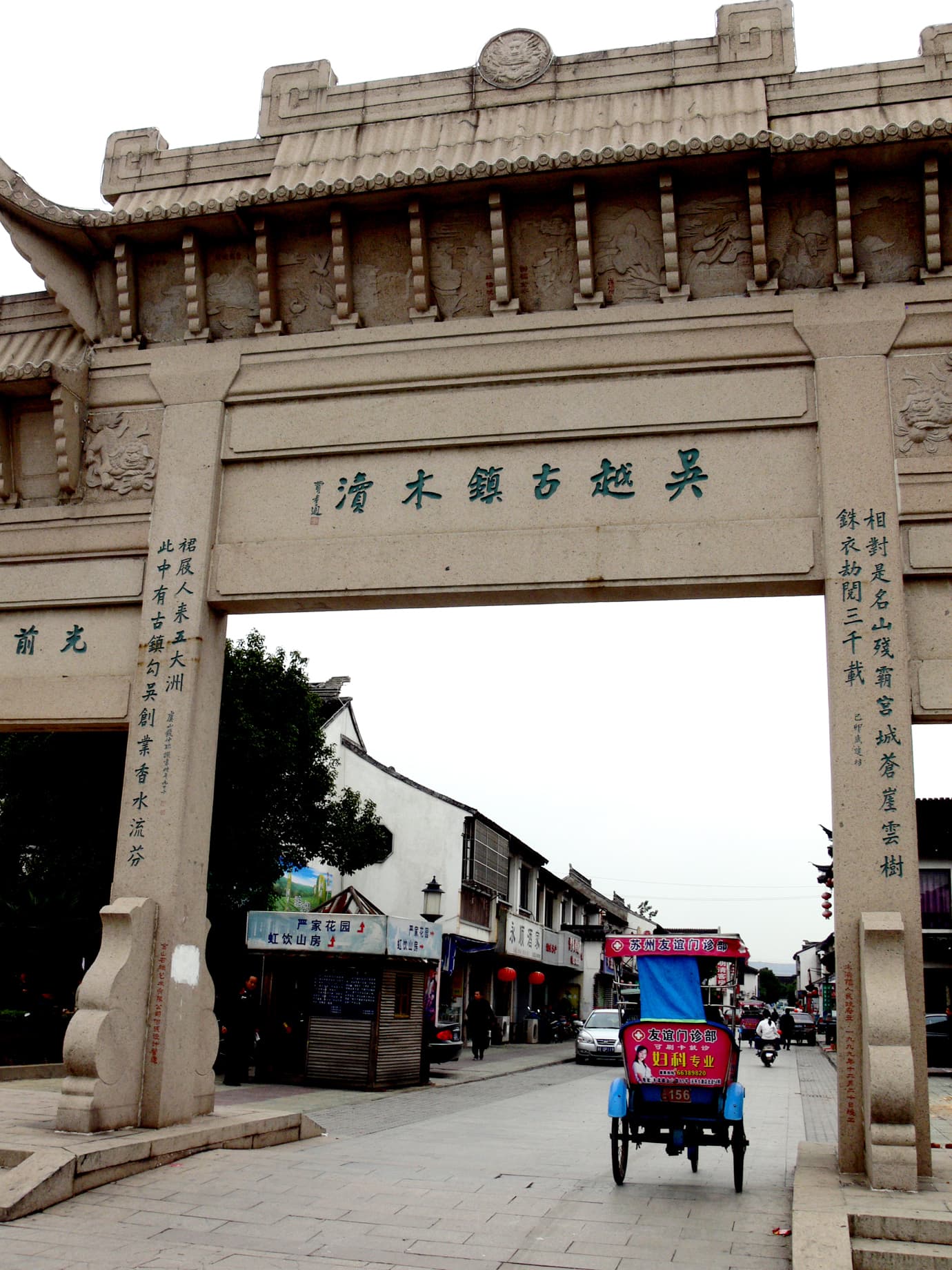 Gisling唐戈 / CC BY-SA 4.0, via Wikimedia Commons
Tour de audio autoguiado de Mudu — ruta GPS a pie, reproducción offline, narración en 32 idiomas.
“Donde las antiguas vías fluviales resuenan con las sagas de emperadores y eruditos.”
No las postales. Las historias que ni los locales conocen — al oído, justo donde ocurrieron.
La tranquila Montaña Lingyan, un hito prominente en Mudu, guarda un secreto conectado con una de las bellezas legendarias de China.
Este exquisito jardín de la Dinastía Qing, un punto culminante de Mudu, tiene una conexión inesperada con una figura política significativa.
El Emperador Qianlong, un visitante frecuente de Mudu, sentía un afecto particular por este jardín privado.
Descubre todos los secretos de Mudu
Cada dirección, cada revelación al completo — a tu oído, justo donde ocurrió.
Eliges tus paradas. Caminas. La voz te revela lo que los demás ignoran.

Tu tour de audioguía por Mudu te espera — elige tus lugares, tu idioma y empieza al llegar.
ComprarLume incluye una guía de realidad aumentada. Levanta el móvil y su cámara muestra la calle que tienes delante, con una flecha luminosa sobre la imagen real que siempre apunta a tu próxima parada — sin mapas que descifrar, sin giros equivocados. Como todo en Lume, funciona completamente sin conexión.
Mudu, una venerable ciudad cultural en la provincia de Jiangsu, se encuentra justo al oeste de Suzhou, al pie de la colina Lingyan y junto al lago Taihu. Con una historia que abarca más de 2.500 años, Mudu ha observado el flujo y reflujo de las dinastías, conservando una imagen tranquila distinta de las ciudades más bulliciosas del este de China. Esta antigua ciudad acuática se caracteriza por sus jardines clásicos, una red de pequeños ríos y numerosos puentes, ofreciendo una visión pacífica de la cultura tradicional china.
El nombre de la ciudad, 'Mudu', que significa 'maderas bloqueando los ríos', se origina en una leyenda del Período de Primavera y Otoño. Se dice que el Rey Fuchai de Wu ordenó la construcción del Palacio Guanwa para su concubina Xishi, y el gran volumen de madera transportada para el proyecto obstruyó las vías fluviales locales. Hoy en día, Mudu es un destino popular para aquellos que buscan explorar sus pintorescas calles, encanto cultural y arquitectura bien conservada, sirviendo a menudo como lugar de rodaje para series de televisión.
## El Génesis de Mudu: Un Cuento de Maderas y Bellezas Los orígenes de Mudu están profundamente arraigados en una cautivadora leyenda del Período de Primavera y Otoño (773-476 a.C.). Se dice que el nombre de la ciudad, que se traduce como 'maderas bloqueando los ríos', proviene de un evento que involucra al Rey Fuchai del Estado de Wu. Para complacer a su amada concubina, Xishi, una de las legendarias Cuatro Grandes Bellezas de China, el Rey Fuchai encargó la construcción del Palacio Guanwa. La inmensa cantidad de madera transportada para este gran proyecto fue tan vasta que, según se informa, bloqueó los ríos locales, dando a la ciudad su nombre distintivo.
## Importancia Económica y Cultural a Través de las Dinastías Más allá de sus míticos comienzos, Mudu se estableció rápidamente como una ciudad crucial tanto económica como militarmente ya en el Período de los Tres Reinos (220-280 d.C.). Su ubicación estratégica, entre colinas y adyacente al lago Taihu, contribuyó a su belleza natural y abundantes recursos, lo que le valió el apodo de 'cuenco del tesoro'. Durante las dinastías Song (960-1279), Ming (1368-1644) y Qing (1644-1911), Mudu mantuvo su posición prominente en la cultura y el comercio chinos. Esta era vio el ascenso de numerosos eruditos y empresarios adinerados, cuyas antiguas residencias se han convertido desde entonces en importantes sitios históricos.
## Un Retiro Favorito para Emperadores y Eruditos El encanto de Mudu no pasó desapercibido para las figuras imperiales. El Emperador Qianlong de la Dinastía Qing, por ejemplo, visitó la ciudad seis veces durante sus viajes al sur, un testimonio de su encanto y significado cultural. La ciudad también se convirtió en una cuna para individuos eminentes, con más de 20 personas que lograron el éxito en los exámenes imperiales más altos y más de 27 a nivel provincial, incluyendo figuras notables como Fan Zhongyan y Feng Guifeng. La historia perdurable de la ciudad se refleja aún más en su reputación como 'ciudad de jardines', con más de 30 jardines privados de las dinastías Ming y Qing. Estos jardines, junto con sus antiguas calles y puentes, continúan ofreciendo una conexión tangible con el pasado histórico de Mudu.
Mudu ofrece un viaje a través de la estética clásica china, con sus jardines y vías fluviales bien conservados. El Jardín de la Familia Yan destaca como un excelente ejemplo del diseño de jardines privados de la Dinastía Qing, con un diseño intrincado y una arquitectura exquisita. A solo 200 metros, la Casa Hongyinshan es otro notable jardín paisajístico privado, famoso por haber sido el favorito del Emperador Qianlong durante sus visitas. El Jardín del Pino Antiguo (Jardín Gusong), que alguna vez fue la residencia de un rico comerciante de la Dinastía Qing, recibe su nombre de un vigoroso pino de 500 años dentro de sus terrenos y también alberga el Museo de Arte de Bordado Yao Jianping.
Más allá de sus jardines, las vías fluviales de Mudu son parte integral de su carácter. Considere un paseo en barco por el canal a lo largo del río Xiangxi para una perspectiva diferente de la ciudad, donde las barqueras incluso pueden cantar canciones populares tradicionales. Las calles principales de la ciudad, como la calle Shantang, la calle Xiatang, la calle Xiasha y la calle Zhongshi, conservan su encanto histórico con casas tradicionales y callejones profundos. Para disfrutar de vistas panorámicas de Mudu y el paisaje circundante, se recomienda subir a la Montaña Lingyan. En la cima de la montaña, encontrará el majestuoso Templo Lingyan, un prominente sitio budista con una historia de 1600 años.
Mudu es un destino que se puede apreciar durante todo el año, pero los momentos más agradables para visitarlo son durante la primavera y el otoño. Estas estaciones ofrecen temperaturas suaves, ideales para explorar las calles, canales y jardines de la ciudad. La primavera trae flores en flor, mientras que el otoño muestra hermosos follajes, particularmente las hojas de arce rojo en la montaña Taiping. Visitar durante los días laborables o temprano por la mañana puede proporcionar una experiencia más serena, ya que Mudu puede llenarse de gente los fines de semana y días festivos.
Mudu se encuentra aproximadamente a 15 kilómetros al oeste de la ciudad de Suzhou. La ciudad se explora mejor a pie, lo que permite a los visitantes apreciar plenamente sus calles históricas y vistas panorámicas, por lo que unos zapatos cómodos son imprescindibles para navegar por los caminos de piedra y los puentes. Si bien el transporte público está disponible, las aplicaciones de viajes compartidos pueden ofrecer un acceso directo conveniente a atracciones específicas. La ciudad en sí está abierta todo el día, pero los puntos escénicos y jardines individuales generalmente operan de 8:00 AM a 5:00 PM en primavera, verano y otoño, con horarios ligeramente más cortos (hasta las 4:30 PM) en invierno. La entrada a la ciudad antigua es gratuita, pero hay tarifas de entrada separadas para atracciones individuales como el Jardín de la Familia Yan, Hongyinshanfang, la Mansión Bangyan y el Jardín Gusong. Hay un boleto combinado para estos sitios disponible por aproximadamente CNY 78. El paseo en barco por el río Xiangxi suele costar alrededor de CNY 10.
Mudu en coreano, en chino o en hebreo — y 29 idiomas más, cada parada narrada por una voz nativa. La mayor variedad de idiomas de cualquier audioguía autoguiada.
Disponible en: