Lago Occidentale Sottile
Il nome del lago non è una semplice fioritura poetica; ha tratto ispirazione da un confronto con uno specchio d'acqua più ampio e rinomato.
La storia completa si sblocca nel tour
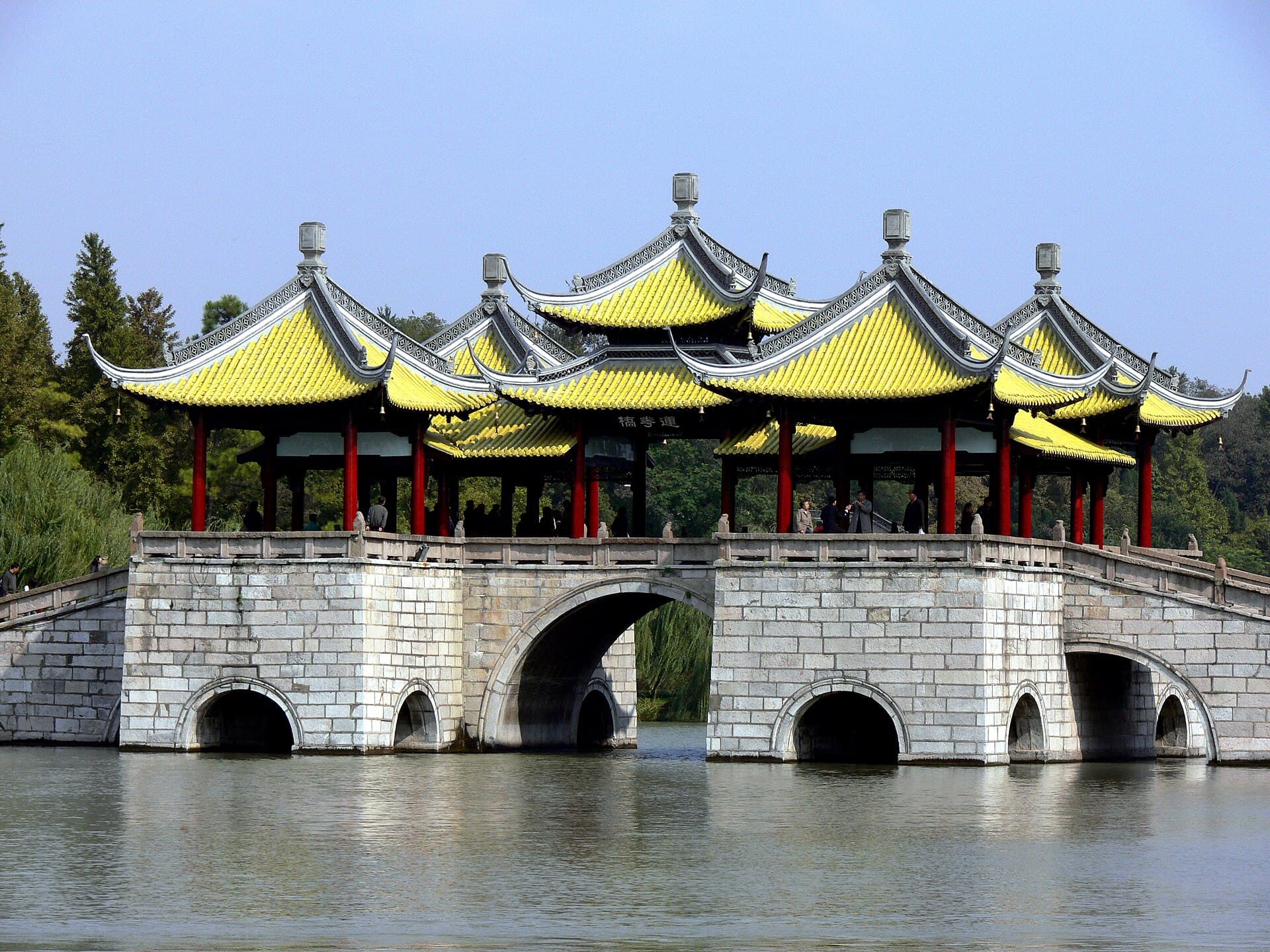 Gisling / CC BY-SA 4.0, via Wikimedia Commons
Tour audio autoguidato di Yangzhou — percorso GPS a piedi, riproduzione offline, narrazione coinvolgente in 32 lingue.
“Dove antichi canali portano gli echi di poeti e mercanti.”
Non le cartoline. Le storie che nemmeno i locali conoscono — sussurrate nel tuo orecchio, proprio dove sono accadute.
Il nome del lago non è una semplice fioritura poetica; ha tratto ispirazione da un confronto con uno specchio d'acqua più ampio e rinomato.
La considerevole ricchezza dei mercanti di sale di Yangzhou finanziò uno stile di vita così sontuoso da attirare l'attenzione degli imperatori.
Il celebre esploratore veneziano Marco Polo potrebbe aver avuto un ruolo più sostanziale a Yangzhou rispetto al semplice passaggio.
Scopri ogni segreto di Yangzhou
Ogni indirizzo, ogni rivelazione completa — nel tuo orecchio, proprio dove è accaduta.
Scegli le tue tappe. Cammini. La voce rivela ciò che gli altri perdono.
Il tuo tour audio autoguidato di Yangzhou è pronto — scegli i tuoi punti di interesse, seleziona la tua lingua e inizia nel momento in cui arrivi.
AcquistaLume include una guida in realtà aumentata. Alza il telefono: la fotocamera mostra la strada davanti a te, con una freccia luminosa sovrapposta all'immagine reale che punta sempre verso la tua prossima tappa — nessuna mappa da decifrare, nessuna svolta sbagliata. Come tutto in Lume, funziona completamente offline.
Yangzhou, una città nella provincia di Jiangsu, presenta una fusione accattivante di maestà storica e serena bellezza, situata alla confluenza del Gran Canale e del fiume Yangtze. Per oltre 2.500 anni, è stata un importante centro culturale ed economico nella Cina orientale. Spesso celebrata nella poesia classica cinese, Yangzhou evoca immagini di prosperità e romanticismo, un'eredità che continua a risuonare attraverso i suoi giardini meticolosamente conservati, le venerabili vie d'acqua e le case da tè tradizionali.
La posizione strategica della città al punto d'incontro di queste cruciali vie d'acqua l'ha trasformata in un importante porto e hub commerciale, facilitando il trasporto di grano, sale e altre merci tra il nord e il sud della Cina. Questa importanza storica è palpabile mentre si esplorano i suoi canali alberati e le sue storiche arterie, offrendo uno sguardo su un passato in cui mercanti, poeti e studiosi convergevano. Yangzhou è anche riconosciuta come Città Creativa della Gastronomia dell'UNESCO, una testimonianza delle sue profonde tradizioni culinarie, in particolare la cucina Huaiyang.
Le origini di Yangzhou risalgono al 486 a.C., quando il re Fuchai di Wu ordinò lo scavo dell'Han Gou, il segmento iniziale di quello che sarebbe diventato il Gran Canale. Questa prima via d'acqua collegava i fiumi Yangtze e Huai, ponendo le basi per il futuro di Yangzhou come collegamento vitale tra il sud agricolo della Cina e il suo nord politico. Durante la dinastia Tang (618–907 d.C.), con il Gran Canale completamente sviluppato, Yangzhou prosperò come principale snodo per il trasporto via acqua, facilitando il movimento di grano, sale e altri beni essenziali. Divenne una delle città più ricche della Cina, attirando mercanti da luoghi lontani come la Siria, l'Arabia e la penisola iberica, e la sua popolazione raggiunse una stima di 500.000 abitanti.
Durante le dinastie Song (960–1279) e Yuan (1206–1368), Yangzhou mantenne il suo status di fiorente centro commerciale ed è stata considerata la città più prospera della Cina in un certo periodo, con un PIL che si dice eguagliasse l'1% di quello mondiale. Fu durante la dinastia Yuan che si ritiene Marco Polo abbia trascorso tre anni a Yangzhou, prestando servizio come funzionario. La prosperità della città fu in gran parte alimentata dal lucroso commercio del sale, che rimase una fonte significativa di ricchezza attraverso le dinastie Ming (1368–1644) e Qing (1644–1911). I ricchi mercanti di sale divennero considerevoli mecenati delle arti e delle lettere, trasformando Yangzhou in un importante centro culturale e promuovendo la distintiva scuola di pittura degli 'Otto Eccentrici di Yangzhou' nel XVIII secolo. Le opulente dimore e i giardini di questi mercanti erano così grandiosi che spesso ospitavano gli imperatori durante i loro tour.
Tuttavia, l'importanza strategica di Yangzhou la rese anche un bersaglio durante periodi di conflitto. La città subì un tragico declino dopo la ribellione dei Taiping (1850–64) e un devastante massacro nel 1645, quando le forze Qing catturarono la città dai lealisti Ming. Nonostante questi contrattempi, Yangzhou ha visto una rinascita dal 1949, in particolare con il restauro del Gran Canale meridionale, e continua ad essere riconosciuta per i suoi siti storici, i giardini panoramici e il suo duraturo patrimonio culturale.
Iniziate la vostra esplorazione dal Lago Occidentale Sottile (Slender West Lake - Shou Xihu), una via d'acqua tortuosa celebrata per i suoi eleganti ponti, le rive orlate di salici e i padiglioni classici. Offre un'ambientazione per tranquille gite in barca e passeggiate senza fretta. Nelle vicinanze, il Tempio Daming, originariamente fondato nel V secolo d.C., offre patrimonio spirituale e giardini tranquilli, inclusa la Sala commemorativa di Jianzhen.
Tornate indietro nel tempo lungo Dongguan Street, una vivace arteria storica che vi trasporterà nelle dinastie Ming e Qing con i suoi sentieri lastricati, le botteghe tradizionali e gli antichi portali. Qui, potrete anche trovare la Sala commemorativa di Marco Polo, che illustra la vita dell'esploratore e il suo presunto periodo a Yangzhou. Scoprite l'arte dei giardini classici cinesi al Giardino Geyuan, noto per le sue intricate rocce scolpite per evocare le quattro stagioni, e al Giardino He, riconosciuto per i suoi corridoi a doppio piano e il suo mix di estetica residenziale.
Per una comprensione più approfondita del passato della città, lo Yangzhou Museum ospita manufatti storici e dipinti, incluse opere degli Otto Eccentrici di Yangzhou. Il museo condivide anche un edificio con il China Grand Canal Museum, offrendo spunti sulla via d'acqua che ha plasmato Yangzhou.
I periodi più gradevoli per visitare Yangzhou sono la primavera (marzo-aprile) e l'autunno (settembre-ottobre). In primavera, il clima è mite e l'area del Lago Occidentale Sottile esplode di fiori, inclusa la distintiva Viburnum cinese selvatico. Metà aprile porta spesso il Festival dei Fiori e della Cultura di Yangzhou. L'autunno offre aria frizzante, meno folla e opportunità per gustare ravioli ripieni di granchio freschi e crociere serali sui canali durante il Festival della Luna del Canale. Le estati (giugno-agosto) sono calde, umide e piovose, mentre gli inverni (dicembre-febbraio) sono freddi e secchi, con alcune caratteristiche acquatiche dei giardini potenzialmente chiuse.
Yangzhou è ben collegata e facile da navigare. L'aeroporto principale più vicino è il Nanjing Lukou International Airport (NKG), a circa 60 km a sud-ovest, con autobus espressi disponibili per il terminal della città di Yangzhou. La ferrovia ad alta velocità collega la stazione ferroviaria di Yangzhou con le principali città come Pechino, Shanghai e Nanchino. All'interno della città, gli autobus pubblici offrono un'opzione economica, con linee turistiche che servono attrazioni chiave come il Lago Occidentale Sottile e Dongguan Street. Taxi e servizi di ride-sharing come Didi sono anch'essi facilmente disponibili.
Le opzioni di alloggio vanno da scelte economiche a locande boutique storiche, alcune situate in dimore di mercanti di sale splendidamente restaurate. Molti hotel sono convenientemente situati vicino a Dongguan Street e al Lago Occidentale Sottile, facilitando l'esplorazione a piedi. Sebbene molte attrazioni siano raggiungibili a piedi l'una dall'altra, si consigliano scarpe comode.
Yangzhou — coreano, cinese, ebraico e altre 29 lingue, ogni tappa narrata da una voce madrelingua. La più ampia scelta di lingue tra i tour audio autoguidati.
Disponibile in: