Le nom "Ojai"
Le nom paisible de cette ville de la vallée recèle une signification céleste plus profonde, ancrée dans ses premiers habitants.
L'histoire complète se débloque dans le tour
 Patrick Pelletier / CC BY-SA 3.0, via Wikimedia Commons
Visite audio autoguidée de Ojai — parcours GPS à pied, lecture hors ligne, narration en 32 langues.
“Où la vallée murmure des secrets et les montagnes bercent la lumière.”
Pas les cartes postales. Les histoires que même les habitants ignorent — soufflées à l'oreille, là où elles se sont passées.
Le nom paisible de cette ville de la vallée recèle une signification céleste plus profonde, ancrée dans ses premiers habitants.
Avant sa désignation actuelle, la ville portait un nom différent – un nom devenu politiquement inopportun lors d'un conflit mondial.
Un magnat du verre, captivé par l'attrait de la vallée, ne s'est pas contenté de s'y installer – il a réinventé l'architecture même de son centre-ville.
Découvrez tous les secrets de Ojai
Chaque adresse, chaque révélation en entier — dans ton oreille, là où elle s'est passée.
Tu choisis tes lieux. Tu marches. La voix te révèle ce que les autres ignorent.

Votre visite audioguidée de Ojai vous attend — choisissez vos lieux, votre langue, et lancez-vous dès votre arrivée.
AcheterOjai, prononcé "O-haï", est une petite ville située dans une vallée du comté de Ventura, en Californie. Connue pour son atmosphère tranquille et sa splendeur naturelle, la ville est orientée sur un axe est-ouest, une rareté pour les vallées de la région. Cet alignement permet des couchers de soleil spectaculaires qui illuminent les montagnes Topatopa de teintes roses, un phénomène connu sous le nom de "Pink Moment" (Moment Rose). Cette caractéristique géographique singulière contribue à la réputation d'Ojai en tant que retraite spirituelle et havre artistique.
La ville conserve un charme distinctif, en grande partie grâce à une ordonnance municipale qui interdit les chaînes de magasins, favorisant une communauté florissante d'entreprises locales, de galeries d'art et de fermes biologiques. Ojai offre un rythme de vie détendu, invitant les visiteurs à explorer ses sentiers panoramiques, à profiter de son climat méditerranéen et à s'immerger dans ses offres culturelles, des festivals de musique aux promenades artistiques.
L'histoire de la vallée d'Ojai commence il y a des milliers d'années avec le peuple Chumash, qui considérait la vallée comme une étendue sacrée et fertile. Le nom "Ojai" lui-même est dérivé du mot 'awha'y (prononcé A-HA-EE) de la langue Ventureño Chumash, signifiant "lune", faisant référence à un village Chumash qui prospérait autrefois dans la haute vallée d'Ojai.
En 1837, la région devint une partie d'une concession de terre mexicaine, Rancho Ojai, accordée à Fernando Tico, qui y établit un ranch de bétail. La terre changea de mains plusieurs fois, y compris une période où elle fut acquise par Thomas A. Scott, intéressé par l'exploration pétrolière. À la fin des années 1860, des terres furent vendues à des colons cherchant des opportunités agricoles et un climat sain.
La ville elle-même fut aménagée en 1874 par le promoteur immobilier R.G. Surdam et initialement nommée Nordhoff, en l'honneur de l'écrivain Charles Nordhoff, dont les écrits promouvaient la Californie comme une retraite de santé. Ojai acquit rapidement une réputation pour son air salubre, attirant des familles dont les membres souffraient de maladies respiratoires.
Un tournant important arriva avec Edward Drummond Libbey, l'un des premiers propriétaires de la Libbey Glass Company, qui développa une profonde affection pour la vallée. Après qu'un incendie ait détruit une grande partie du centre-ville original de Nordhoff en 1917, Libbey collabora avec les architectes Frank Mead et Richard Requa pour reconstruire la ville dans un style néo-colonial espagnol cohérent. Ce projet aboutit à de nombreuses structures distinctives que l'on voit aujourd'hui, y compris l'Arcade, la Pergola et la Tour de la Poste. En 1917, la ville abandonna officiellement son nom à consonance allemande, Nordhoff, et adopta son identité actuelle d'Ojai, célébrant le changement avec l'inauguration du "Ojai Day" dans ce qui est maintenant Libbey Park.
Le 20e siècle vit Ojai évoluer en un centre spirituel et artistique célébré. Jiddu Krishnamurti, le philosophe et orateur influent, visita pour la première fois en 1922 et fit d'Ojai sa résidence saisonnière jusqu'à son décès en 1986. Sa présence attira de nombreux intellectuels, artistes et chercheurs spirituels, façonnant profondément le climat intellectuel et social de la vallée. La ville a également fait face à sa part de défis, y compris des incendies de forêt importants tout au long de son histoire, avec des incendies notables en 1917, 1948, 1985 et le dévastateur Thomas Fire en 2017. Malgré ces événements, Ojai a constamment fait preuve de résilience, se reconstruisant et maintenant son caractère singulier.
Commencez votre exploration à Libbey Park, le cœur du centre-ville d'Ojai, qui abrite le remarquable Libbey Bowl. Cet amphithéâtre en plein air, reconstruit en 2011 pour évoquer son design original des années 1950, accueille le Festival de musique d'Ojai, de renommée internationale, et divers événements communautaires. Promenez-vous sous l'Ojai Arcade, un chef-d'œuvre de style néo-colonial espagnol conçu avec l'aide d'Edward Drummond Libbey, offrant des allées ombragées et des boutiques uniques. Prenez le temps d'admirer la Post Office Tower (Tour de la Poste), une autre création architecturale issue de la vision de Libbey.
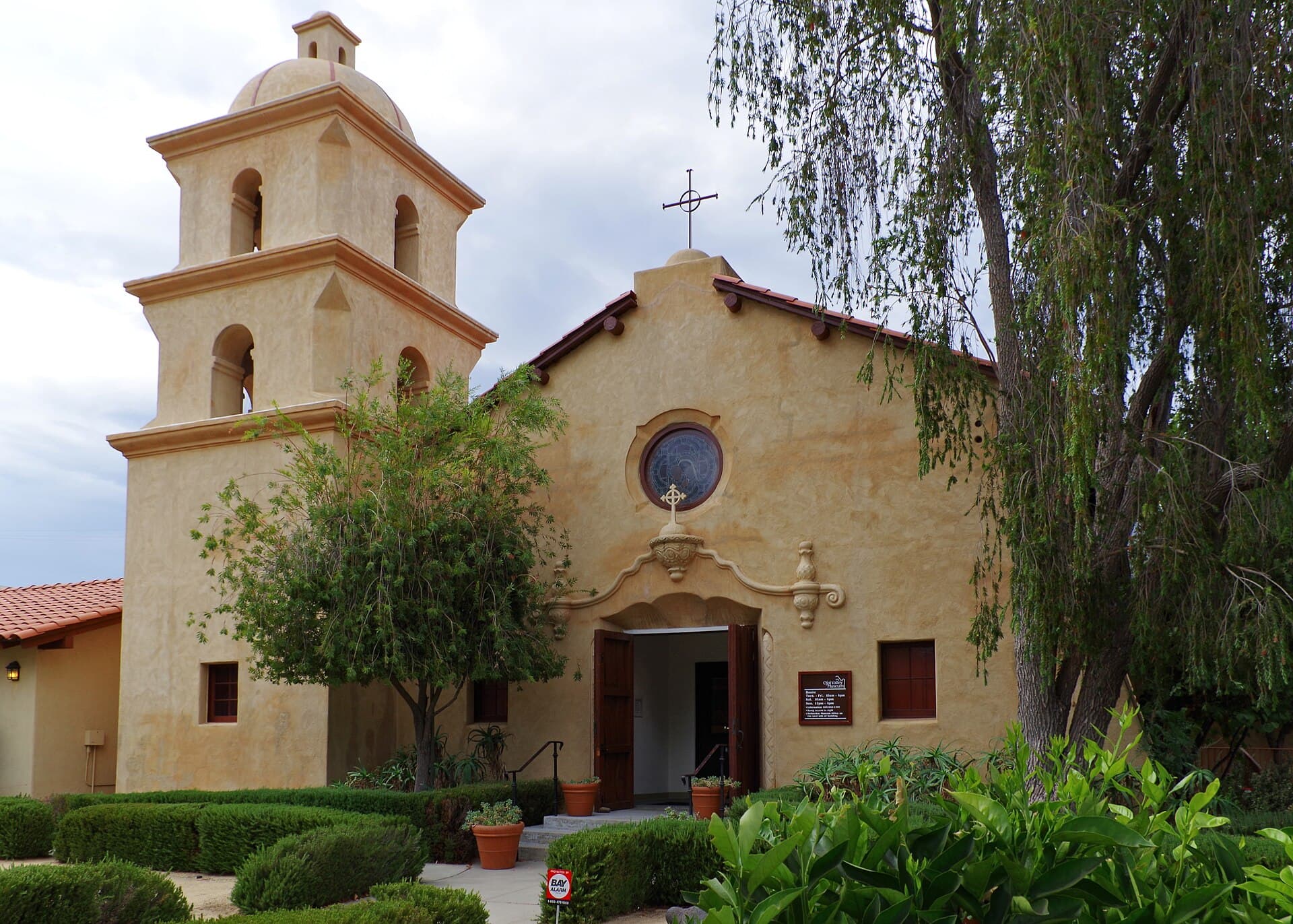
Pour une dose de culture locale, visitez le Ojai Valley Museum, logé dans l'historique église St. Thomas Aquinas, qui présente l'histoire de la région depuis ses racines Chumash jusqu'à nos jours. Explorez les boutiques indépendantes et les galeries d'art qui bordent Ojai Avenue, témoignage de l'engagement de la ville envers les entreprises locales. Aventurez-vous chez Bart's Books, une célèbre librairie en plein air établie en 1964, où vous pourrez feuilleter des trésors littéraires sous le soleil californien.
Les amoureux de la nature apprécieront le Ojai Valley Trail, un chemin pavé de 15,3 km idéal pour la marche, le vélo ou l'équitation, offrant des vues panoramiques sur la vallée et se connectant à Ventura. Pour un moment de contemplation tranquille, envisagez une visite à la Krishnamurti Foundation of America, qui préserve et diffuse les enseignements de J. Krishnamurti, qui a profondément influencé le paysage spirituel d'Ojai.
Ojai bénéficie d'un climat méditerranéen avec des hivers doux et humides et des étés chauds et secs. Les périodes les plus agréables pour visiter sont le printemps (mars à juin) et l'automne (octobre et novembre), lorsque les températures sont modérées, l'humidité est faible et l'ensoleillement est abondant. Le printemps apporte les fleurs d'oranger et les fleurs sauvages, tandis que l'automne offre des conditions agréables pour les activités de plein air. Les étés (juillet et août) peuvent être chauds, avec des maximales moyennes autour de 29-30 degrés Celsius, mais offrent un ciel clair et des soirées chaudes parfaites pour dîner en plein air. Les hivers sont doux, avec des minimales moyennes entre 0 et 10 degrés Celsius, et la plupart des précipitations se produisent en février.
Ojai est facilement navigable à pied, en particulier le centre-ville compact où se trouvent la plupart des boutiques, galeries et restaurants. Pour explorer plus loin, des locations de vélos sont disponibles, et le Ojai Trolley offre un moyen charmant et abordable de faire du tourisme, avec des itinéraires reliant le centre-ville à des zones comme le Ojai Valley Inn. Le trolley ne coûte qu'un dollar. Des services de taxi comme Topa Topa Taxi et Ojai Taxi sont également disponibles, ainsi que des options de limousines privées. Gold Coast Transit propose un service de bus de Ventura à certains arrêts d'Ojai, et la gare Amtrak la plus proche est à Ventura, à environ 24 km. Pour ceux qui conduisent, le stationnement est généralement disponible, mais il est toujours bon de vérifier auprès de votre hébergement ou de la Chambre de commerce de la vallée d'Ojai pour des recommandations spécifiques. Le bureau de la Chambre fournit également des cartes de rues et des informations touristiques.
Ojai en coréen, en chinois ou en hébreu — et dans 29 autres langues, chaque étape narrée par une voix native. La plus large gamme de langues de tous les audioguides autoguidés.
Disponible en :