Castello di Ōzu
Sebbene sembri antico di secoli, gran parte del Castello di Ōzu è una meraviglia sorprendentemente moderna.
La storia completa si sblocca nel tour
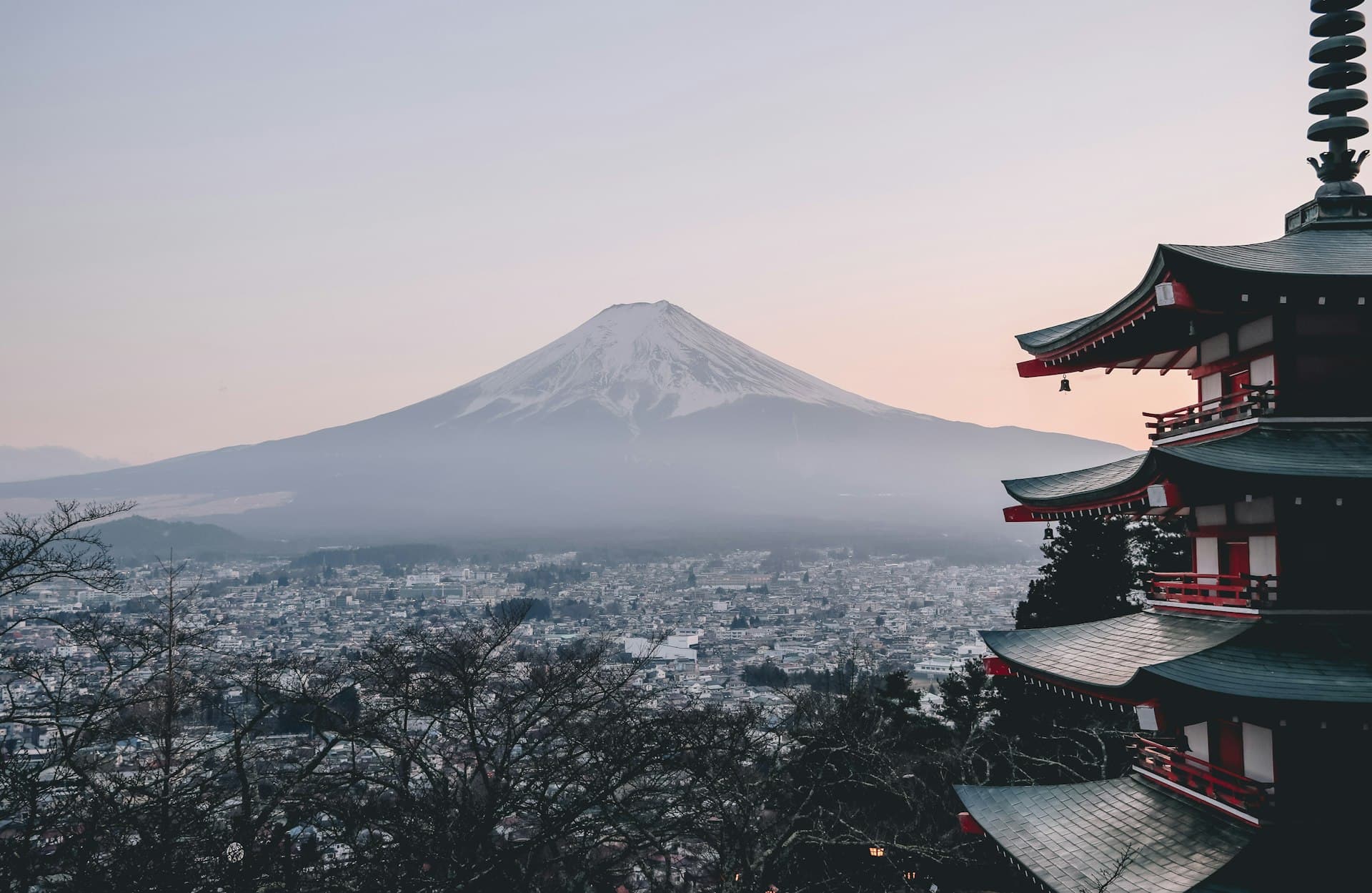 Photo: Manuel Cosentino / Unsplash
Tour audio autoguidato di Ōzu — percorso GPS a piedi, riproduzione offline, narrazione coinvolgente in 32 lingue.
“Dove antichi castelli incontrano la tranquillità del fiume.”
Non le cartoline. Le storie che nemmeno i locali conoscono — sussurrate nel tuo orecchio, proprio dove sono accadute.
Sebbene sembri antico di secoli, gran parte del Castello di Ōzu è una meraviglia sorprendentemente moderna.
Questo ritiro in riva al fiume nasconde un segreto nel suo design, un sottile cenno al mondo naturale che viene facilmente trascurato.
Guarda attentamente le vecchie case dei mercanti e potresti notare un dettaglio curioso che parla di un'epoca passata di prevenzione incendi.
Scopri ogni segreto di Ōzu
Ogni indirizzo, ogni rivelazione completa — nel tuo orecchio, proprio dove è accaduta.
Scegli le tue tappe. Cammini. La voce rivela ciò che gli altri perdono.


Il tuo tour audio autoguidato di Ōzu è pronto — scegli i tuoi punti di interesse, seleziona la tua lingua e inizia nel momento in cui arrivi.
AcquistaLume include una guida in realtà aumentata. Alza il telefono: la fotocamera mostra la strada davanti a te, con una freccia luminosa sovrapposta all'immagine reale che punta sempre verso la tua prossima tappa — nessuna mappa da decifrare, nessuna svolta sbagliata. Come tutto in Lume, funziona completamente offline.
Ōzu, spesso chiamata la 'Piccola Kyoto di Iyo', offre un viaggio in un segmento preservato dell'antico Giappone lungo il fiume Hiji nella prefettura di Ehime. Questa affascinante città invita all'esplorazione con il suo castello storico, le tradizionali case dei mercanti e i sereni paesaggi fluviali. È un luogo dove il ritmo rallenta, permettendo la contemplazione di intricati disegni di giardini e degli echi della vita dei samurai.
Il carattere della città è definito dalla sua fusione di bellezza naturale e patrimonio architettonico. Il fiume Hiji, centrale per l'identità di Ōzu, fornisce uno sfondo panoramico per i monumenti più significativi della città, tra cui il castello ricostruito di Ōzu e l'esquisita villa Garyu Sanso. I visitatori possono passeggiare per le strade fiancheggiate da machiya (case cittadine) in legno e magazzini in mattoni rossi, sperimentando un legame tangibile con il passato del Giappone.
## Dalla Fortezza Feudale alla Città Mercantile La storia di Ōzu è profondamente intrecciata con la sua posizione strategica lungo il fiume Hiji, che la rese un vitale centro di trasporto e commercio. L'area acquisì per la prima volta importanza con la costruzione del Castello di Ōzu nel XIV secolo, sebbene la sua forma attuale risalga in gran parte all'inizio del periodo Edo (1603-1868). Il castello servì come sede del Dominio di Ōzu, governato da una successione di potenti clan samurai, in particolare la famiglia Katō, che governò per oltre 250 anni.
Durante il periodo Edo, Ōzu fiorì come città castello e porto fluviale. Il fiume Hiji fu un'arteria cruciale per il commercio, trasportando merci come legname e carta verso il Mare Interno di Seto. Questa attività economica portò allo sviluppo di una prospera classe mercantile, la cui influenza è ancora visibile nelle case dei mercanti ben conservate e nell'architettura tradizionale che si trova in aree come Ohanahan Street. La città divenne anche nota per le sue industrie tradizionali, tra cui la fabbricazione della carta e la produzione di un dolce locale chiamato karashi-renkon.
La Restaurazione Meiji nel 1868 pose fine al sistema feudale e al Dominio di Ōzu. Il castello fu in gran parte smantellato, un destino comune per molti castelli giapponesi durante quest'era di modernizzazione. Tuttavia, gli sforzi alla fine del XX e all'inizio del XXI secolo portarono alla meticolosa ricostruzione del mastio principale utilizzando tecniche tradizionali, permettendo ai visitatori di sperimentare la sua antica grandezza. Oggi, Ōzu continua a onorare il suo passato, mantenendo i suoi paesaggi urbani storici e le sue pratiche culturali, offrendo una finestra su un periodo significativo della storia giapponese.
Iniziate la vostra esplorazione dal Castello di Ōzu, una suggestiva ricostruzione che offre viste panoramiche sul fiume Hiji e sulla città circostante dal suo mastio principale. All'interno, esaminate l'architettura in legno dettagliata e le esposizioni storiche.
Successivamente, immergetevi nella tranquillità di Garyu Sanso, una villa e un complesso di giardini considerati un capolavoro dell'architettura Sukiya-zukuri. Passeggiate attraverso i suoi giardini meticolosamente progettati e ammirate gli intricati dettagli delle case da tè che si affacciano sul fiume Hiji.
Passeggiate per Ohanahan Street, un quartiere preservato caratterizzato da tradizionali machiya (case cittadine in legno) e residenze di mercanti. Molti di questi edifici ospitano ora caffè, negozi o piccoli musei, offrendo uno sguardo sulla vita quotidiana dell'antica Ōzu.
Visitate il Magazzino in Mattoni Rossi di Ōzu (Akarenga-kan), un edificio dell'era Meiji che un tempo fungeva da fabbrica di seta. Oggi ospita negozi di artigianato locale e un caffè, offrendo un mix di storia e cultura contemporanea.
Per un'esperienza culturale unica, in particolare in estate, assistete alla tradizionale Ukai (pesca con i cormorani) sul fiume Hiji, dove abili pescatori usano cormorani addestrati per catturare pesci dolci ayu.
La primavera (marzo-maggio) offre temperature piacevoli e la bellezza dei ciliegi in fiore, in particolare intorno al Castello di Ōzu. L'autunno (ottobre-novembre) è anch'esso ideale, con un clima confortevole e suggestivi colori autunnali lungo il fiume e nei giardini. L'estate (luglio-agosto) è calda e umida, ma è la stagione della tradizionale pesca con i cormorani.
Ōzu è raggiungibile in treno. Da Matsuyama, prendete la linea JR Yosan fino alla stazione di Iyo-Ōzu. Le principali attrazioni sono raggiungibili a piedi o con un breve tragitto in taxi dalla stazione. Considerate l'acquisto di una mappa a piedi di Iyo-Ōzu dal centro informazioni turistiche. Molti siti storici dispongono di informazioni in inglese, ma un'app di traduzione può essere utile per le interazioni locali. Il contante è ampiamente accettato, anche se alcuni esercizi più grandi potrebbero accettare carte di credito.
Ōzu — coreano, cinese, ebraico e altre 29 lingue, ogni tappa narrata da una voce madrelingua. La più ampia scelta di lingue tra i tour audio autoguidati.
Disponibile in: