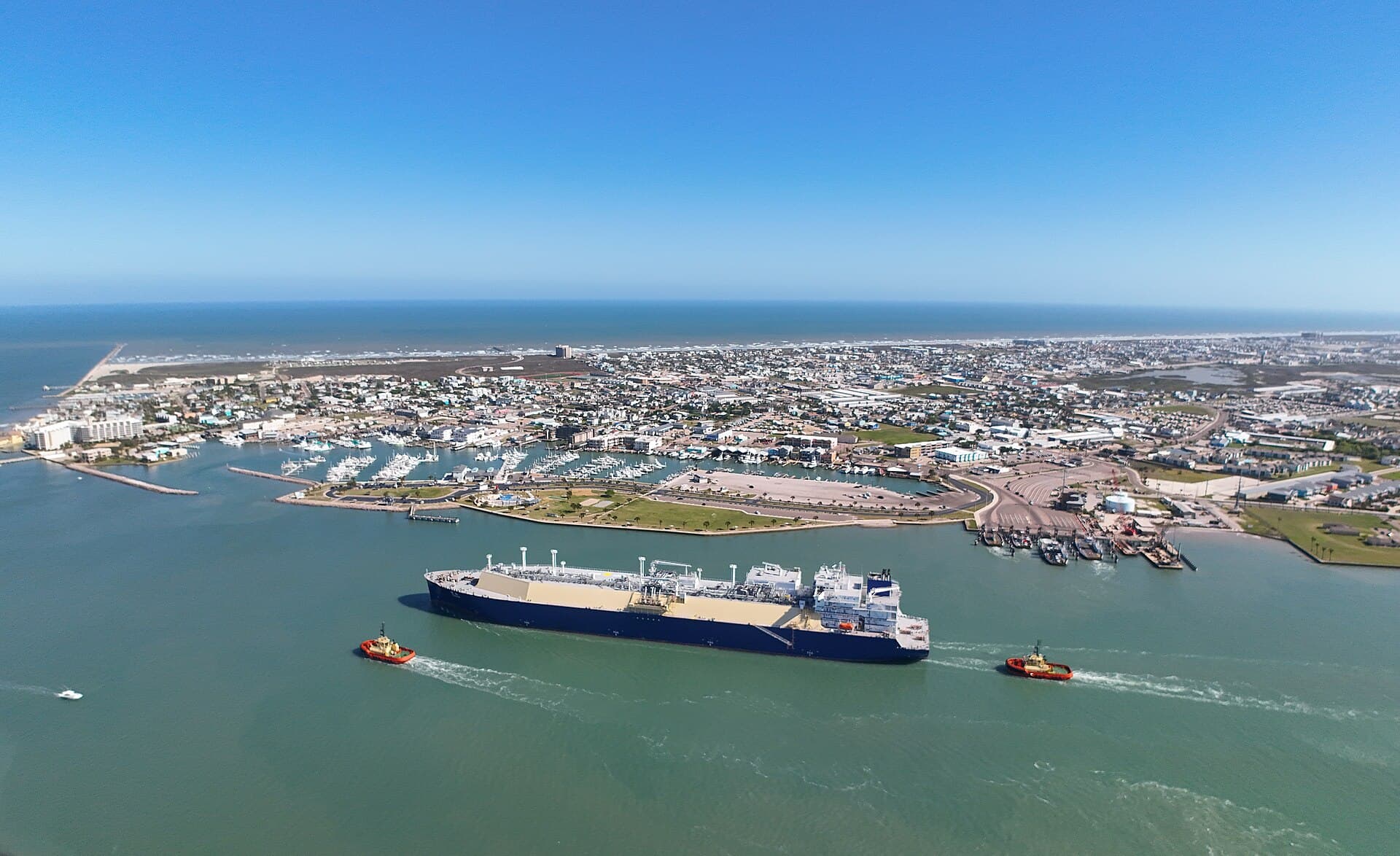
Isla del Mustang
Antes de su designación actual, esta isla barrera tenía un nombre diferente y más descriptivo.
La historia completa se desbloquea en el tour
 Quintin Soloviev / CC BY 4.0, via Wikimedia Commons
Tour de audio autoguiado de Port Aransas — ruta GPS a pie, reproducción offline, narración en 32 idiomas.
“Donde la esencia indómita de la Costa del Golfo se encuentra con un pasado legendario.”
No las postales. Las historias que ni los locales conocen — al oído, justo donde ocurrieron.
Antes de su designación actual, esta isla barrera tenía un nombre diferente y más descriptivo.
La tradición local cuenta que un pirata notorio dejó una marca muy específica para su tesoro enterrado en la Isla del Mustang.
Las serenas costas de Port Aransas fueron escenario de un enfrentamiento militar, desempeñando un papel estratégico en un conflicto nacional.
Descubre todos los secretos de Port Aransas
Cada dirección, cada revelación al completo — a tu oído, justo donde ocurrió.
Eliges tus paradas. Caminas. La voz te revela lo que los demás ignoran.
Tu tour de audioguía por Port Aransas te espera — elige tus lugares, tu idioma y empieza al llegar.
ComprarPort Aransas, un animado pueblo costero en el extremo norte de Mustang Island, ofrece una mezcla distintiva de playas bañadas por el sol, un pasado legendario y abundante vida silvestre. Este destino de la Costa del Golfo de Texas, a menudo conocido como 'Port A', es más que un simple pueblo de playa; es un lugar donde los ecos de piratas y soldados de la Guerra Civil se entrelazan con los cantos de aves migratorias y los juguetones chapoteos de los delfines.
Desde sus antiguos orígenes como bancos de arena sumergidos hasta su evolución como un bullicioso centro pesquero, Port Aransas se ha adaptado constantemente, conservando su carácter a través de huracanes y cambios históricos. Hoy, invita a la exploración con oportunidades para la pesca en alta mar, la observación de aves en prístinas reservas naturales y la participación en una animada escena artística. Ya sea que busques aventura en las olas o tranquilidad en un tramo tranquilo de arena, Port Aransas ofrece una auténtica experiencia costera.
La historia de Port Aransas comienza hace más de 4.500 años, cuando las islas de la costa de Texas emergieron como bancos de arena de debajo del océano. El pueblo Karankawa fue el primer habitante conocido, viviendo una existencia nómada a lo largo de la Costa del Golfo, pescando y recolectando mariscos durante miles de años.
El contacto europeo comenzó a principios del siglo XVI con exploradores españoles como Cabeza de Vaca, quien probablemente encontró a los Karankawa en 1528. Los españoles introdujeron más tarde caballos salvajes, lo que llevó a los primeros nombres de la isla: 'Isla de los Caballos Salvajes' y luego 'Isla del Mustang', derivada de la palabra española 'mesteños'.
A principios del siglo XIX, la costa de Texas se convirtió en un refugio frecuente para piratas, especialmente Jean Lafitte y sus bucaneros, quienes utilizaron Mustang Island como refugio. Persisten las leyendas de su tesoro enterrado, supuestamente marcado por una daga de plata española. La ubicación estratégica de la isla también atrajo la atención militar. Se construyó un fuerte durante la Guerra Mexicana (1846-1848) para proteger la Bahía de Aransas, y más tarde se utilizó durante la Guerra Civil, con las fuerzas de la Unión capturando finalmente las posiciones confederadas en 1862.
Antes de establecerse en 'Port Aransas' en 1910, la ciudad pasó por varios cambios de nombre, incluyendo Sand Point, Ropesville y Tarpon, reflejando su identidad en evolución y la abundancia de peces en sus aguas. El cambio de siglo XX trajo un inusual pero próspero negocio de exportación de tortugas marinas, con tortugas masivas enviadas vivas a los mercados.
Principios del siglo XX marcaron el nacimiento del Port Aransas moderno, con el crecimiento del turismo alrededor de la pesca, la natación y la brisa marina. La ciudad rápidamente se ganó el apodo de 'Capital Pesquera de Texas', atrayendo a visitantes de todo el país por sus legendarias capturas y torneos. Los constructores de barcos locales incluso crearon los distintivos 'Barcos Farley', diseñados para la pesca deportiva en el Golfo.
La vida costera, sin embargo, siempre ha estado entrelazada con el poder de la naturaleza. Grandes tormentas, como el huracán de 1919, devastaron la ciudad, pero sus ciudadanos resilientes la reconstruyeron constantemente. Durante la Segunda Guerra Mundial, Port Aransas desempeñó un papel en la defensa nacional, con submarinos alemanes avistados en el Golfo y apagones nocturnos aplicados para proteger el transporte marítimo.
Después de la guerra, Port Aransas continuó su crecimiento como un querido destino de playa. En 1941, se inauguró el Instituto de Ciencias Marinas de la Universidad de Texas, estableciendo la región como un centro de investigación y conservación marina. Hoy, Port Aransas se erige como un testimonio de su espíritu perdurable, ofreciendo una mezcla de historia, belleza natural y oportunidades recreativas.
Port Aransas ofrece una diversa gama de atracciones para cada interés. La Reserva Natural de Port Aransas en Charlie's Pasture es un lugar privilegiado para los entusiastas de la naturaleza, con extensos senderos, pasarelas y áreas de observación perfectas para la observación de aves, especialmente para especies migratorias como la Grulla Blanca en peligro de extinción.
Para una inmersión más profunda en la historia local, el Museo de Port Aransas exhibe artefactos e historias de la vida temprana en la isla, mientras que Farley Boat Works ilumina la herencia de construcción de barcos de la ciudad. No pierdas la oportunidad de ver la histórica Estación de Luz de Aransas Pass, aunque el acceso suele ser a través de tours acuáticos.
Por supuesto, las playas son un atractivo principal, ofreciendo oportunidades para nadar, tomar el sol e incluso conducir (con un permiso). Los tours de avistamiento de delfines son populares, brindando encuentros cercanos con delfines nariz de botella en su entorno natural. La pesca es un pilar de Port Aransas, con opciones para charters de pesca en alta mar, pesca en la bahía o lanzar una línea desde el Muelle Horace Caldwell o los espigones.
Para una experiencia única de observación de aves, visita el Estanque Paraíso de Joan y Scott Holt, un estanque de agua dulce aislado conocido por sus avistamientos de aves de cerca. Después del anochecer, dirígete al espigón sur para observar las estrellas y tener la oportunidad de observar bioluminiscencia en el agua. El Amos Rehabilitation Keep (ARK) es otra parada notable, donde los visitantes pueden presenciar la liberación de tortugas marinas o aves rehabilitadas.
Port Aransas es un destino para todo el año, pero el momento ideal para visitarlo depende de tus preferencias. La primavera (marzo a mayo) y el otoño (octubre a noviembre) ofrecen un clima agradable, menos multitudes y excelentes condiciones para actividades al aire libre como la observación de aves y la pesca. El verano (junio a agosto) es temporada alta, animado con familias y amantes de la playa disfrutando de temperaturas cálidas perfectas para nadar y practicar deportes acuáticos. El invierno ofrece un clima templado, playas tranquilas y oportunidades para la observación de aves, particularmente de grullas blancas, y es el preferido por los 'Texanos de Invierno'.
Acceder a Port Aransas es sencillo, ya sea conduciendo a través de Corpus Christi o tomando el ferry gratuito desde Aransas Pass hasta Mustang Island. Una vez allí, los carritos de golf son una forma popular de navegar por las calles de la ciudad e incluso por la playa (con un permiso), y hay numerosas empresas de alquiler disponibles. Las opciones de alojamiento son diversas, desde hoteles y condominios de lujo hasta acogedoras cabañas de playa, alquileres vacacionales y parques de casas rodantes.
Para el acceso a la playa, se requiere un permiso de estacionamiento si planeas conducir o estacionar en la playa entre los Marcadores 0 y 62; estos están disponibles en gasolineras locales, supermercados y el Centro de Visitantes por $12 y son válidos para el año calendario. Si bien las aguas del Golfo son generalmente seguras, es prudente nadar durante las horas del día, evitar nadar solo y mantenerse alejado de las áreas donde los pescadores están usando cebo. Los caimanes son raros en Mustang Island, prefiriendo las marismas de agua dulce tierra adentro.
Port Aransas en coreano, en chino o en hebreo — y 29 idiomas más, cada parada narrada por una voz nativa. La mayor variedad de idiomas de cualquier audioguía autoguiada.
Disponible en: