Las Nagelschmiedhäuser
Estas casas, construidas en la roca, alguna vez albergaron una industria inesperada.
La historia completa se desbloquea en el tour
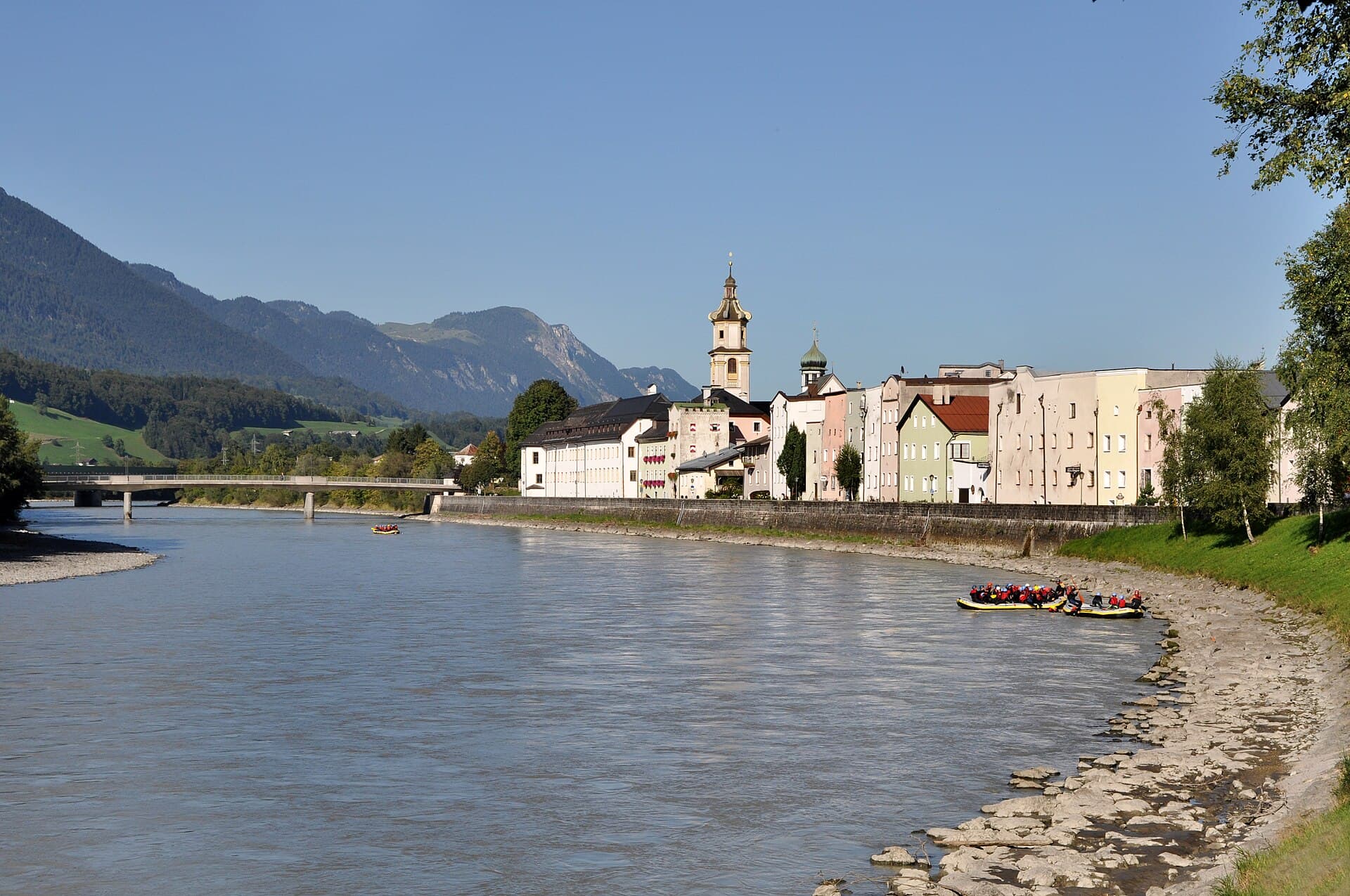 Linie29 / CC BY-SA 3.0 at, via Wikimedia Commons
Tour de audio autoguiado de Rattenberg — ruta GPS a pie, reproducción offline, narración en 32 idiomas.
“Donde los ecos medievales se encuentran con el arte del cristal.”
No las postales. Las historias que ni los locales conocen — al oído, justo donde ocurrieron.
Estas casas, construidas en la roca, alguna vez albergaron una industria inesperada.
Durante los meses más fríos, Rattenberg experimenta un fenómeno que deja partes de la ciudad en una sombra prolongada.
Dentro del antiguo monasterio agustino se alza una torre de iglesia con una distinción única en el Tirol.
Descubre todos los secretos de Rattenberg
Cada dirección, cada revelación al completo — a tu oído, justo donde ocurrió.
Eliges tus paradas. Caminas. La voz te revela lo que los demás ignoran.


Tu tour de audioguía por Rattenberg te espera — elige tus lugares, tu idioma y empieza al llegar.
ComprarLume incluye una guía de realidad aumentada. Levanta el móvil y su cámara muestra la calle que tienes delante, con una flecha luminosa sobre la imagen real que siempre apunta a tu próxima parada — sin mapas que descifrar, sin giros equivocados. Como todo en Lume, funciona completamente sin conexión.
Rattenberg, la ciudad más pequeña de Austria, ofrece un viaje en el tiempo con su carácter medieval y una floreciente tradición de fabricación de vidrio. Con una población de alrededor de 400 a 500 habitantes y un área de solo 10 a 11 hectáreas, es un destino notablemente compacto, pero rebosa de tesoros culturales. Situada en la orilla derecha del río Inn en los Alpes tiroleses, Rattenberg es una ciudad peatonal, lo que permite una exploración relajada de sus estrechas calles y fachadas históricas.
Conocida como la "Ciudad del Vidrio del Tirol", el legado de Rattenberg en el arte del vidrio abarca siglos, con numerosos talleres y tiendas que exhiben intrincadas piezas artesanales. Más allá de su reluciente vidrio, el centro medieval bien conservado de la ciudad, bajo protección estatal como sitio de patrimonio cultural, invita a los visitantes a descubrir su pasado perdurable y su belleza arquitectónica. Ya sea que le atraigan las artesanías, los sitios históricos o simplemente un paseo tranquilo, Rattenberg ofrece una experiencia austriaca distintiva.
La historia de Rattenberg se remonta a la Edad Media, con su primera mención documentada en 1254. La ciudad obtuvo oficialmente su estatus de ciudad en 1393. Su posición estratégica en el río Inn la convirtió en un importante centro de comercio y viajes, así como en un punto de defensa fronteriza entre Baviera y el Tirol. Se cree que el nombre Rattenberg deriva del nombre bávaro Ratolt o Ratobo, que significa "Montaña de Ratold", que data del siglo X, cuando la zona estaba gobernada por la familia Rapotonen.
El castillo sobre la ciudad, cuyas piedras más antiguas datan del siglo XI, fue construido inicialmente para defenderse de los intrusos. A lo largo de su historia, Rattenberg experimentó varios cambios de propiedad, siendo hipotecada entre duques bávaros y austriacos. Finalmente, se convirtió en parte permanente del Tirol bajo el emperador Maximiliano I en 1504, después de una guerra de sucesión.
Económicamente, Rattenberg floreció en la era medieval debido a su posición en la convergencia de dos rutas principales y su importante instalación de transporte fluvial en el Inn, donde se cobraban impuestos tanto por el tráfico terrestre como por el acuático. La ciudad también experimentó un avance económico a través de la minería de cobre y plata, similar a otras ciudades tirolesas. Una alteración significativa del paisaje urbano ocurrió en 1415/16 con la construcción de una carretera para carruajes, que dio forma a Rattenberg hasta el siglo XIX, cuando se eliminaron las antiguas puertas de la ciudad.
La tradición de la fabricación de vidrio en Rattenberg tiene raíces que se remontan a más de 500 años en el Tirol, con inmigrantes bohemios que establecieron las cristalerías tirolesas en Kramsach, cerca de Rattenberg, en 1626. El oficio prosperó, y en el siglo XIX, después de que cesara la minería de plata, la producción de vidrio decorativo se convirtió en una fuente principal de ingresos. Hoy en día, Rattenberg es sinónimo de arte del vidrio, un legado preservado e innovado por familias como Kisslinger, cuya participación en la producción de vidrio se remonta al siglo XVIII.
En tiempos recientes, Rattenberg ha mantenido su compromiso de preservar su carácter medieval. Toda la ciudad es en gran parte una zona peatonal, lo que permite a los visitantes experimentar su centro histórico libre de tráfico. La dedicación de la ciudad a su patrimonio cultural es evidente en sus edificios medievales cuidadosamente restaurados y su estatus como sitio cultural protegido. Rattenberg sigue siendo un centro cultural para la región, albergando eventos anuales como los Schlossbergspiele (obras de teatro del castillo) en verano y el Adviento de Rattenberg, un célebre mercado navideño.
Comience su exploración en la zona peatonal medieval de Rattenberg, donde coloridas casas del siglo XV bordean las estrechas calles. Esta área es el centro del renombrado arte del vidrio de la ciudad, con numerosas tiendas que ofrecen artículos de vidrio hechos a mano, desde delicadas figuras hasta elaborados jarrones. Muchos talleres, como Kisslinger Kristallglas, ofrecen demostraciones en vivo de soplado de vidrio, brindando una visión cautivadora del oficio centenario.
Camine hasta las Ruinas del Castillo de Rattenberg (Schlossberg) para disfrutar de amplias vistas del valle del Inn y las montañas tirolesas circundantes. La corta caminata cuesta arriba hasta las ruinas se recompensa con una vista pintoresca. Otro punto culminante histórico es el Museo Agustino, ubicado en un antiguo monasterio, que exhibe tesoros de arte tirolés que abarcan nueve siglos y arte popular religioso. No pierda la oportunidad única de subir a su torre de iglesia, la única de su tipo en el Tirol, para otra perspectiva de la ciudad.
Para una inmersión más profunda en la historia y la cultura local, visite las Nagelschmiedhäuser, un museo de artesanía construido en la roca, que exhibe muebles originales e información sobre siglos pasados de vida local. El Malerwinkel, un centro de eventos y seminarios con restaurante, también ofrece una mezcla de carácter medieval y arquitectura moderna, con un ascensor de cristal que conduce a una terraza en la azotea.
Rattenberg es un destino para todo el año, cada estación ofrece una atmósfera distinta. Para un clima templado y menos multitudes, la primavera tardía (mayo-junio) o el otoño temprano (septiembre-octubre) son ideales, con temperaturas promedio alrededor de 20 °C (68 °F). Julio y agosto también son agradables, con animados cafés al aire libre y una máxima promedio de 20 °C (68 °F), aunque estos meses pueden ser más húmedos. El invierno trae un ambiente mágico, especialmente durante el mercado navideño de Adviento de Rattenberg, cuando la ciudad se ilumina con antorchas y velas.
Rattenberg es fácilmente accesible en coche, situada cerca de la autopista A12 entre Kufstein e Innsbruck. Hay aparcamientos disponibles en las entradas de la ciudad, algunos ofrecen opciones de pago sin efectivo e incluso una primera hora gratuita a través de la aplicación Easypark. La ciudad también tiene una estación de tren céntrica (Rattenberg-Kramsach), que ofrece un viaje cómodo y sostenible desde las principales ciudades como Innsbruck y Wörgl. El centro de la ciudad es principalmente una zona peatonal, lo que lo hace adecuado para paseos tranquilos. Si bien Rattenberg es lo suficientemente pequeña para una excursión de un día, considere quedarse más tiempo para sumergirse por completo en su atmósfera. Las opciones de alojamiento incluyen hoteles como Haus Schlosskeller, que ofrece la tarjeta Alpbachtal con varios beneficios. La cocina local incluye especialidades tirolesas como Tiroler Speckknödel y Tiroler Gröstl, y no olvide probar el tradicional strudel de manzana en Café Konditorei Hacker.
Rattenberg en coreano, en chino o en hebreo — y 29 idiomas más, cada parada narrada por una voz nativa. La mayor variedad de idiomas de cualquier audioguía autoguiada.
Disponible en: