El Hotel Pollard
Se dice que uno de los edificios más históricos de Red Lodge tiene algunos huéspedes permanentes que nunca hicieron el check-out.
La historia completa se desbloquea en el tour
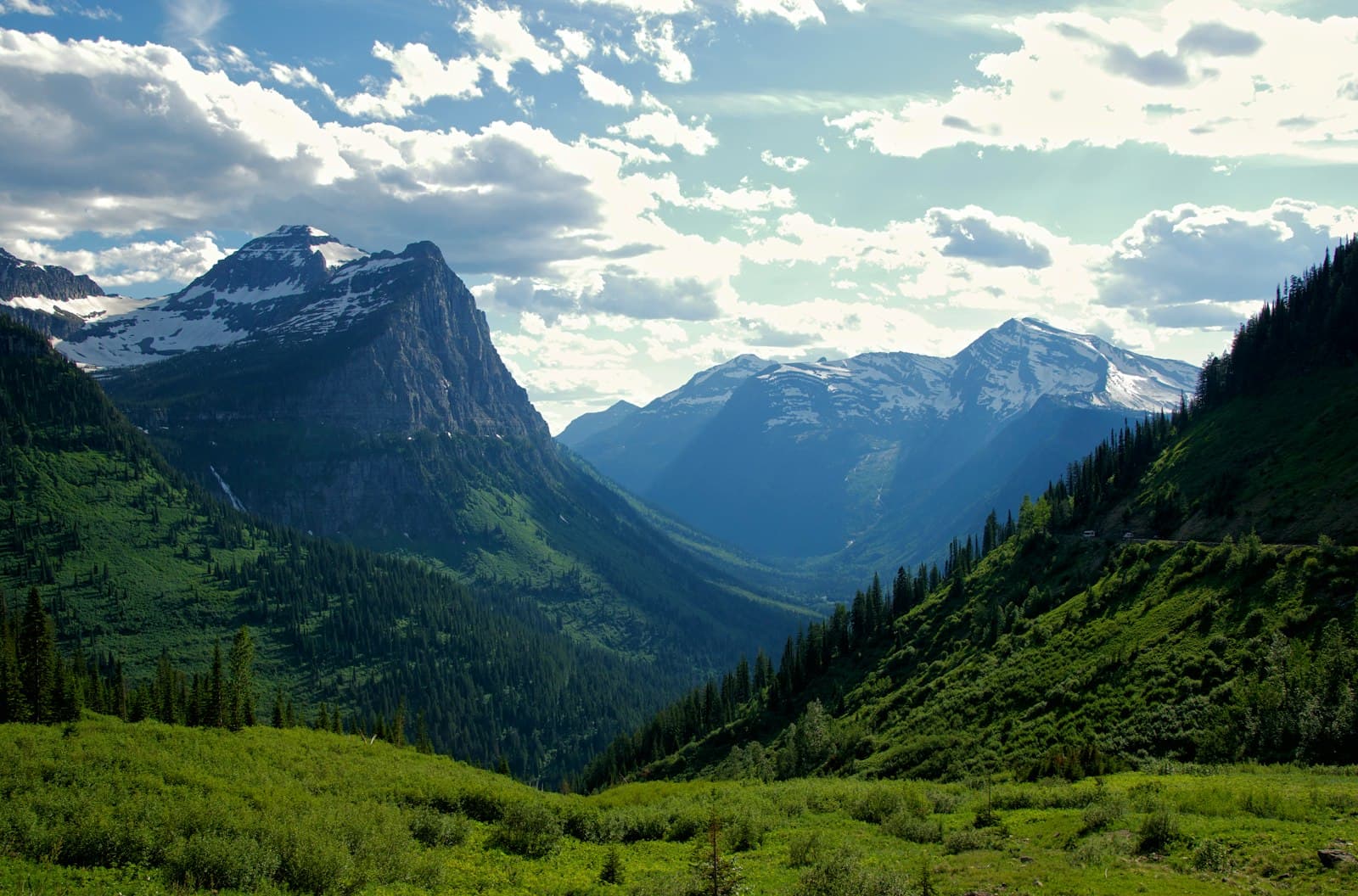 Photo: Joss Woodhead / Unsplash
Tour de audio autoguiado de Red Lodge — ruta GPS a pie, reproducción offline, narración en 32 idiomas.
“Donde las montañas escarpadas se encuentran con un pasado vibrante.”
No las postales. Las historias que ni los locales conocen — al oído, justo donde ocurrieron.
Se dice que uno de los edificios más históricos de Red Lodge tiene algunos huéspedes permanentes que nunca hicieron el check-out.
Las calles de Red Lodge una vez resonaron con los pasos de un famoso forajido, conocido por sus audaces robos a bancos.
Cuando las minas de carbón comenzaron a cerrar, la ciudad encontró una nueva exportación sorprendentemente potente.
Descubre todos los secretos de Red Lodge
Cada dirección, cada revelación al completo — a tu oído, justo donde ocurrió.
Eliges tus paradas. Caminas. La voz te revela lo que los demás ignoran.
Tu tour de audioguía por Red Lodge te espera — elige tus lugares, tu idioma y empieza al llegar.
ComprarRed Lodge, Montana, es un lugar donde la grandiosidad de las Montañas Beartooth se encuentra con una historia vibrante de minería de carbón, forajidos de la frontera y comunidades resilientes. Esta pequeña ciudad, a una altitud de 1.703 metros, sirve como puerta de entrada a la icónica Carretera Beartooth, a menudo llamada 'la carretera más hermosa de América'. Sin embargo, más allá de su acceso escénico al Parque Nacional de Yellowstone, Red Lodge ofrece un viaje cautivador al pasado, con un distrito céntrico catalogado en el Registro Nacional de Lugares Históricos, que presenta edificios de ladrillo que relatan épocas de auge y caída.
Una vez un lugar de reunión de verano para los indios Crow, Red Lodge se transformó con el descubrimiento de carbón, atrayendo a inmigrantes de toda Europa y convirtiéndose en una animada, a veces salvaje, ciudad fronteriza. Hoy en día, equilibra su considerable patrimonio con un presente activo, ofreciendo aventuras al aire libre, eventos culturales y una atmósfera acogedora que invita a los visitantes a explorar su carácter único.
## De Tierras Crow a Riquezas de Carbón Mucho antes de la llegada de los colonos europeos, el valle donde ahora se encuentra Red Lodge era un importante lugar de reunión de verano para los indios Crow, utilizado para la adoración, el descanso y la caza. Se cree que el nombre de la ciudad deriva de la arcilla roja utilizada por los Crow para sus tipis, o de un líder Crow llamado Red Bear. Si bien las expediciones españolas pudieron haber pasado por la zona ya en 1535, fue el descubrimiento de abundantes depósitos de carbón en 1886 lo que realmente encendió la transformación de Red Lodge.
## El Auge Minero y una Población Diversa La Rocky Fork Coal Company abrió la primera mina en 1887, y la promesa de trabajo atrajo una ola de inmigrantes de Finlandia, Irlanda, Escocia, países eslavos, Italia y Escandinavia. Para 1891, más de 400 inmigrantes estaban extrayendo 100 toneladas de carbón al día, y la población se disparó a 1.180 en 1892. Red Lodge se convirtió rápidamente en una bulliciosa, y a menudo ruidosa, ciudad fronteriza, contando veinte salones para 1896. Para 1915, la población alcanzó su punto máximo en alrededor de 6.000.
## Tiempos Difíciles y Reinversión La Gran Depresión y la llegada de la minería a cielo abierto en la década de 1920 llevaron al declive de la minería de carbón subterránea, obligando a muchas minas a cerrar. Para sobrevivir, los residentes de Red Lodge recurrieron al contrabando de alcohol, produciendo licor ilegal comercializado como 'jarabe para la tos' y distribuyéndolo por todo el país. Un golpe devastador llegó en 1943 con el desastre de la Mina Smith cerca de Bearcreek, donde una explosión mató a 74 mineros, marcando la tragedia minera de carbón más grave de Montana y poniendo fin efectivamente a la industria en el Condado de Carbon.
## El Auge del Turismo y 'Hogar de Campeones' A pesar de estos desafíos, Red Lodge se reinventó. La construcción de la Carretera Beartooth, que conecta Red Lodge con el Parque Nacional de Yellowstone, comenzó en 1931 y se abrió en 1936, consolidando el papel de la ciudad como destino turístico. Hoy en día, el turismo, la recreación y la ganadería son los principales motores económicos. La ciudad también se ganó el apodo de 'Hogar de Campeones' debido a su considerable historia en el rodeo, honrando particularmente al vaquero local Bill Linderman, un campeón mundial múltiple.
Comience su exploración en Broadway Avenue, el corazón del Distrito Histórico Comercial de Red Lodge, donde muchos edificios de finales del siglo XIX y principios del XX están incluidos en el Registro Nacional de Lugares Históricos. El Hotel Pollard, un hito arquitectónico construido en 1893, ofrece un vistazo al pasado con su lista de huéspedes históricos que incluyó figuras como Buffalo Bill Cody y Calamity Jane.
Profundice en la historia local en el Museo Histórico del Condado de Carbon, ubicado en un antiguo Templo Laboral, que exhibe exposiciones sobre la minería, la ganadería y la herencia del rodeo. Para una perspectiva más artística, el Carbon County Arts Guild and Depot Gallery se encuentra en una estación de tren restaurada de 1889 y presenta artistas regionales. Tómese un tiempo para visitar el Yellowstone Wildlife Sanctuary para ver de cerca la vida silvestre nativa de Montana.
Más allá del centro de la ciudad, considere un paseo panorámico por la Carretera Beartooth, aclamada como una de las carreteras más hermosas de América, que ofrece magníficas vistas alpinas y acceso a la Wilderness de Absaroka-Beartooth. Para una experiencia histórica única, visite el Buses of Yellowstone Preservation Trust en el histórico Garaje Whitcomb, donde podrá aprender sobre los icónicos vehículos motorizados utilizados para los tours de Yellowstone antes de la Segunda Guerra Mundial e incluso realizar un tour guiado en un autobús restaurado.
Red Lodge ofrece experiencias distintas durante todo el año. Para actividades de clima cálido y el icónico recorrido por la Carretera Beartooth, la mejor época para visitar es de principios de julio a mediados de agosto, cuando las temperaturas máximas promedio rondan los 27°C y los cielos están más despejados. La Carretera Beartooth suele abrir alrededor del fin de semana del Día de los Caídos y cierra en octubre, si el clima lo permite. El otoño, de mediados de agosto a mediados de octubre, es considerado la 'temporada secreta' por los lugareños, ofreciendo temperaturas más frescas, menos multitudes y un follaje otoñal impresionante. El invierno, de enero a marzo, es ideal para esquiar y hacer snowboard en Red Lodge Mountain, con la ciudad atrayendo a visitantes por sus pistas menos concurridas.
Red Lodge se encuentra en el condado de Carbon, Montana, con una población aproximada de 2.257 habitantes según el censo de 2020. El centro de la ciudad es fácil de recorrer a pie, con muchos edificios históricos que albergan tiendas, restaurantes y galerías. Para alojamiento, The Pollard Hotel ofrece una estancia histórica. Las opciones gastronómicas van desde restaurantes locales como Bogart's Restaurant hasta Red Lodge Pizza Company, y para café y vino, Babcock & Miles es un lugar popular. La ciudad alberga varios eventos durante todo el año, incluidos festivales de música y arte, concentraciones de motociclistas y el Festival anual de las Naciones, que celebra su diversa herencia. El Rodeo de Red Lodge es un evento importante, que generalmente se celebra alrededor del 4 de julio.
Red Lodge en coreano, en chino o en hebreo — y 29 idiomas más, cada parada narrada por una voz nativa. La mayor variedad de idiomas de cualquier audioguía autoguiada.
Disponible en: