Rue Houdan
Esta atractiva vía peatonal ocupa un lugar distintivo en el diseño urbano francés.
La historia completa se desbloquea en el tour
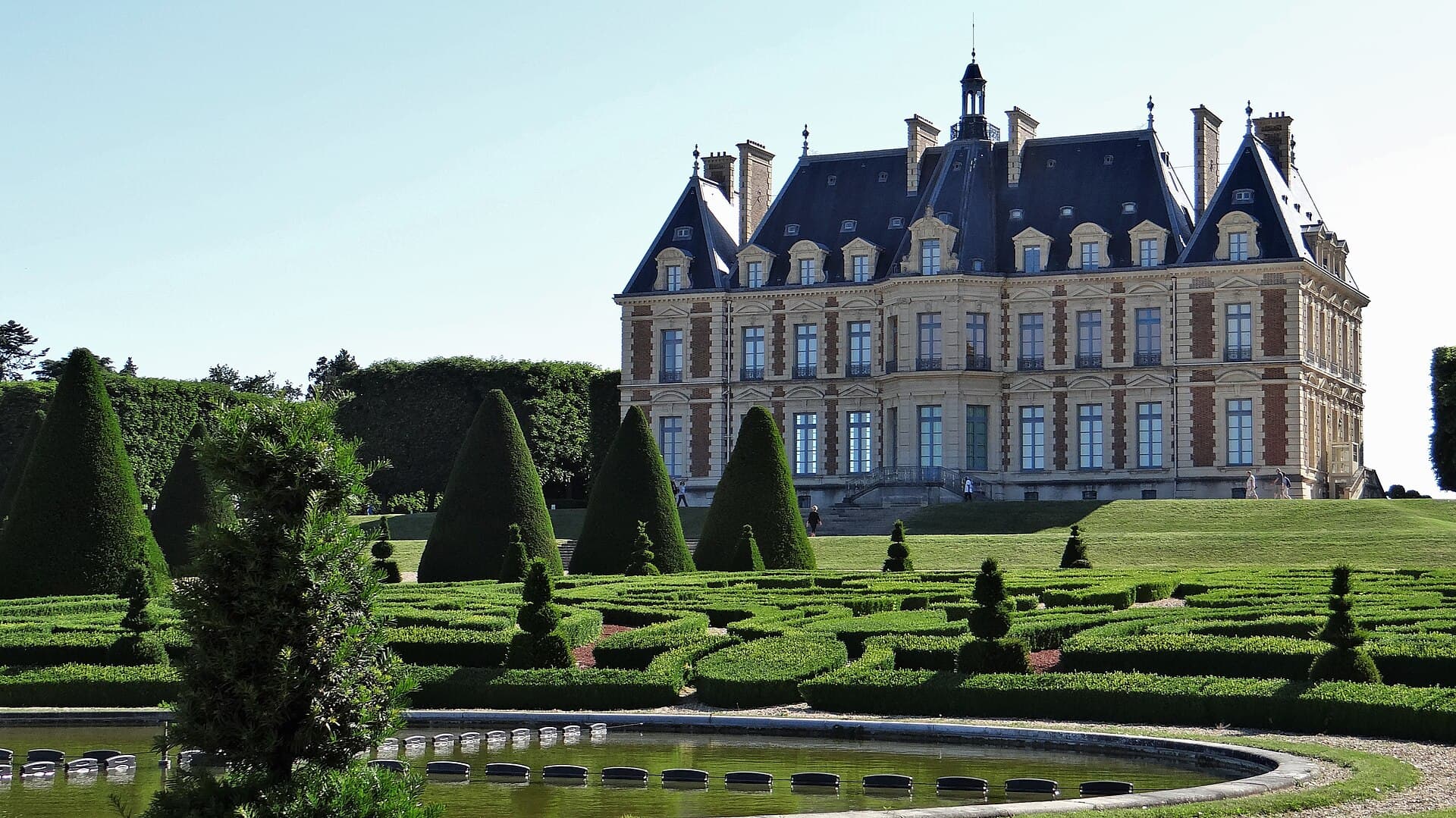 Ibex73 / CC BY-SA 4.0, via Wikimedia Commons
Tour de audio autoguiado de Sceaux — ruta GPS a pie, reproducción offline, narración en 32 idiomas.
“Más allá del bullicio de Versalles, se despliega una tranquila elegancia francesa.”
No las postales. Las historias que ni los locales conocen — al oído, justo donde ocurrieron.
Esta atractiva vía peatonal ocupa un lugar distintivo en el diseño urbano francés.
Los extensos jardines formales aquí, concebidos por André Le Nôtre, comparten un linaje de diseño con una finca real mucho más famosa.
El château actual no es el original, y su predecesor tuvo un final dramático.
Descubre todos los secretos de Sceaux
Cada dirección, cada revelación al completo — a tu oído, justo donde ocurrió.
Eliges tus paradas. Caminas. La voz te revela lo que los demás ignoran.


Tu tour de audioguía por Sceaux te espera — elige tus lugares, tu idioma y empieza al llegar.
ComprarLume incluye una guía de realidad aumentada. Levanta el móvil y su cámara muestra la calle que tienes delante, con una flecha luminosa sobre la imagen real que siempre apunta a tu próxima parada — sin mapas que descifrar, sin giros equivocados. Como todo en Lume, funciona completamente sin conexión.
A solo 10 kilómetros al sur de París, Sceaux ofrece un contrapunto sereno al animado ritmo de la ciudad. Esta próspera comuna, con profundas raíces históricas y abundantes espacios verdes, brinda una visión de la elegancia francesa sin las multitudes que a menudo se encuentran en destinos más famosos. Sceaux es particularmente reconocida por su extenso parque y château, un testimonio del arte y diseño paisajístico francés del siglo XVII.
El atractivo de la ciudad se extiende más allá de su gran finca, abarcando calles acogedoras, edificios históricos y una próspera cultura local. Sceaux es una excursión ideal para quienes buscan una mezcla de exploración histórica, esplendor natural y un sabor de la auténtica vida suburbana francesa.
La historia de Sceaux se remonta a la Edad Media, su nombre derivado de la palabra latina cellae, que significa "pequeñas cabañas" o "celdas", apareciendo por primera vez en documentos alrededor de 1120. Inicialmente una modesta aldea agrícola, la trayectoria de Sceaux cambió profundamente en la segunda mitad del siglo XVII.
En 1670, Jean-Baptiste Colbert, el influyente Ministro de Finanzas del Rey Luis XIV, adquirió la baronía de Sceaux. Colbert imaginó una gran finca cerca de París y Versalles, encargando a André Le Nôtre, el célebre arquitecto paisajista de Versalles, el diseño de los jardines formales. El palacio original, previamente propiedad de la familia Potier de Gesvres, se transformó en una espaciosa residencia, completa con pabellones de entrada y el Pavillon de l'Aurore.
Tras el fallecimiento de Colbert, sus herederos vendieron el Domaine de Sceaux en 1699 al Duque de Maine, un hijo ilegítimo de Luis XIV. Bajo el Duque y la Duquesa de Maine, Sceaux floreció como un importante centro cultural, albergando elaboradas "Noches de Sceaux" —grandes festividades, salones literarios y representaciones teatrales que atrajeron a figuras notables como Voltaire. Esta era consolidó la reputación de Sceaux como un punto focal para las artes y el discurso intelectual.
La Revolución Francesa puso fin a esta grandeza aristocrática. La propiedad fue incautada, su contenido vendido, y el château original fue completamente arrasado a principios del siglo XIX. Sin embargo, algunos de los edificios anexos originales de Colbert, incluyendo el Pavillon de l'Aurore y la Orangerie, se conservaron, junto con la disposición fundamental de los jardines de Le Nôtre. El actual Château de Sceaux, diseñado en estilo Neo-Luis XIII, fue reconstruido entre 1856 y 1862 por el Duque de Trévise. Desde 1937, ha albergado el museo departamental, dedicado a la historia del Domaine de Sceaux y la región de Île-de-France.
El Domaine départemental de Sceaux es la principal atracción, abarcando un magnífico parque y el château. El parque de 180 hectáreas, diseñado por André Le Nôtre, cuenta con jardines de estilo francés meticulosamente mantenidos, un gran canal de más de un kilómetro de largo, nueve fuentes y cascadas, y una cuenca Octogone con una fuente de 10 metros de altura. También contiene un memorial al genocidio armenio y una importante colección de cerezos japoneses, que ofrecen un espectáculo notable en abril durante el festival Hanami.
El Château de Sceaux, reconstruido en el siglo XIX, ahora alberga el Musée du Domaine départemental de Sceaux. El museo exhibe la historia de la finca y la región de Île-de-France desde el siglo XVII, con colecciones que incluyen pinturas, esculturas, porcelana y manuscritos. El Pavillon de l'Aurore, un pabellón de jardín del siglo XVII dentro del parque, es notable por su cúpula pintada por Charles Le Brun.
Más allá de la finca, explore Rue Houdan, una calle peatonal reconocida por sus especialidades culinarias, incluyendo panaderías, pastelerías y queserías. El Marché de Sceaux, ubicado en 66 rue Houdan, funciona los miércoles y sábados por la mañana para productos frescos, mariscos y quesos, con un mercado orgánico los domingos por la mañana. La Iglesia de Saint-Jean-Baptiste-de-Sceaux, Monumento Histórico catalogado, data de principios del siglo XIII.
Sceaux ofrece una experiencia agradable durante todo el año debido a su clima templado. La primavera es particularmente favorita, especialmente abril, cuando los cerezos japoneses en el Parc de Sceaux florecen, creando un hermoso escenario para el festival Hanami. El verano trae temperaturas cálidas, ideales para actividades al aire libre y celebraciones. El otoño exhibe un hermoso follaje en los parques, mientras que los inviernos son suaves, adecuados para explorar atracciones culturales interiores y museos.
Sceaux es fácilmente accesible desde París. La ruta más conveniente es tomando la línea RER B, que tiene tres estaciones en Sceaux: Sceaux, Parc de Sceaux y Robinson. El viaje desde el centro de París suele durar unos 30 minutos, y su Navigo Pass es válido ya que Sceaux se encuentra dentro de la Zona 3. Desde el aeropuerto de París Orly, tome el transbordador Orlyval hasta la estación RER de Antony, luego conecte con la línea RER B.
Dentro de Sceaux, caminar es la forma más agradable de moverse, especialmente en las zonas peatonales y el extenso parque. Los taxis se pueden reservar a través de aplicaciones oficiales como Uber o G7, ya que encontrar uno en la calle puede ser un desafío. La moneda local es el Euro (€), y aunque la mayoría de los establecimientos aceptan tarjetas, es aconsejable llevar algo de efectivo para compras más pequeñas en mercados o panaderías. Sceaux se considera un suburbio seguro, incluso para paseos nocturnos en el centro y las áreas del parque.
Sceaux en coreano, en chino o en hebreo — y 29 idiomas más, cada parada narrada por una voz nativa. La mayor variedad de idiomas de cualquier audioguía autoguiada.
Disponible en: