Legends Books, Antiques & Soda Fountain
Debajo de una querida librería, un pasaje se abre a una cámara subterránea con un pasado sorprendente.
La historia completa se desbloquea en el tour
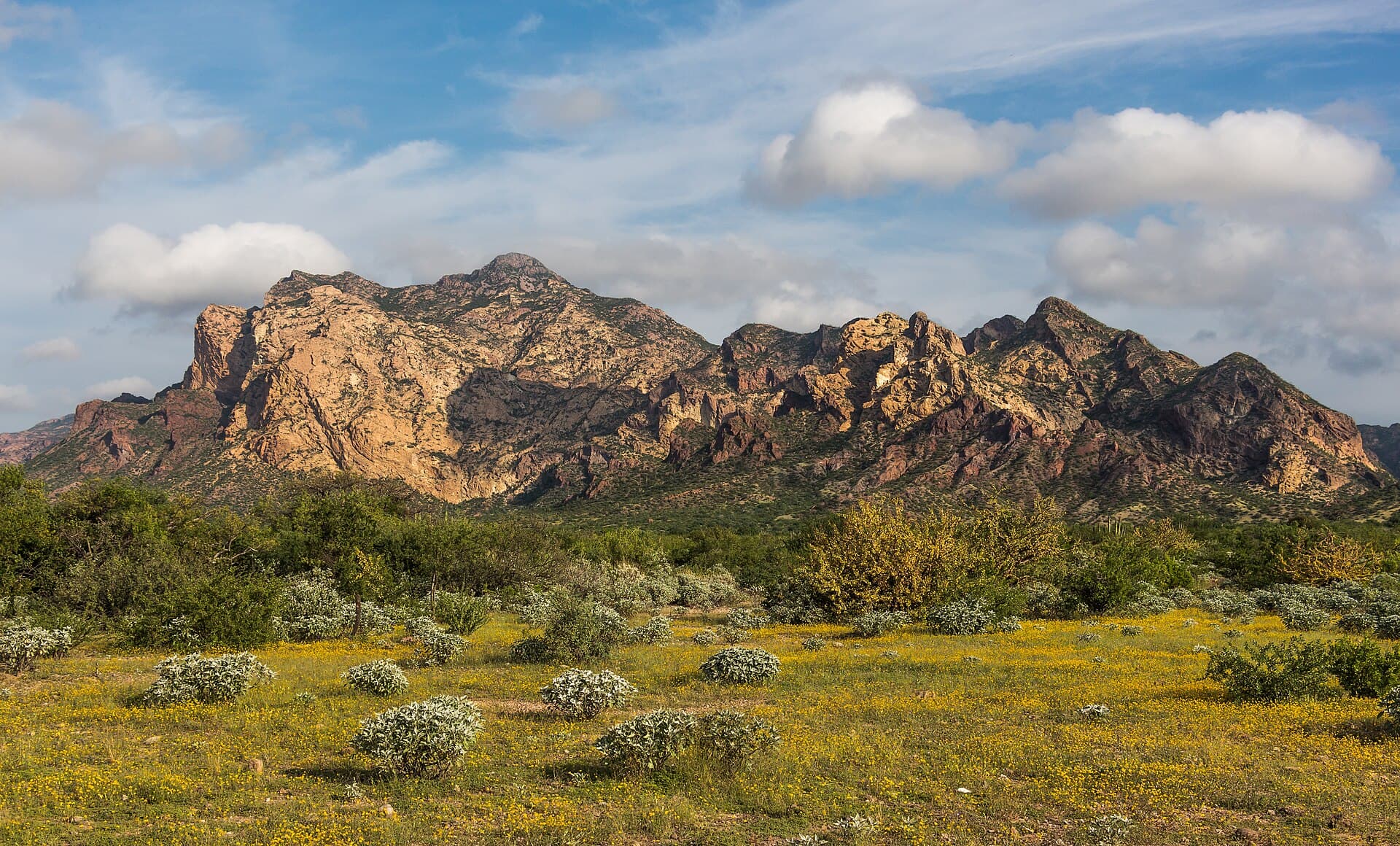 Tomascastelazo / CC BY-SA 4.0, via Wikimedia Commons
Tour de audio autoguiado de Sonora — ruta GPS a pie, reproducción offline, narración en 32 idiomas.
“Donde la tenacidad de la Fiebre del Oro se encuentra con el esplendor de Sierra Nevada, Sonora te invita a descubrir sus historias perdurables.”
No las postales. Las historias que ni los locales conocen — al oído, justo donde ocurrieron.
Debajo de una querida librería, un pasaje se abre a una cámara subterránea con un pasado sorprendente.
El mismo suelo bajo la calle principal de Sonora guarda un sorprendente secreto sobre su construcción.
Antes de las cárceles robustas, el pueblo encontró una solución bastante rústica para sus residentes rebeldes.
Descubre todos los secretos de Sonora
Cada dirección, cada revelación al completo — a tu oído, justo donde ocurrió.
Eliges tus paradas. Caminas. La voz te revela lo que los demás ignoran.

Tu tour de audioguía por Sonora te espera — elige tus lugares, tu idioma y empieza al llegar.
ComprarSonora, a menudo aclamada como la "Reina de las Minas del Sur", es una ciudad que luce con orgullo su pasado de la Fiebre del Oro, situada en las estribaciones de Sierra Nevada en California. Establecida en 1848 por mineros mexicanos de Sonora, México, la ciudad rápidamente prosperó como un centro de industria y comercio. Hoy, Sonora conserva gran parte de su atractivo histórico, con elegantes campanarios de iglesias y edificios históricos que se elevan sobre un centro bordeado de robustas estructuras de ladrillo.
Más que una simple reliquia de una época pasada, Sonora sirve como un centro neurálgico para el Condado de Tuolumne, ofreciendo una mezcla de exploración histórica y comodidades modernas. Su cercanía a maravillas naturales como el Parque Nacional Yosemite y el Bosque Nacional Stanislaus la convierte en una base ideal para aventuras al aire libre. Ya sea que te atraigan las historias de buscadores de fortuna, el encanto de las tiendas de antigüedades o la llamada de la naturaleza, Sonora ofrece una visión cautivadora del vasto y diverso patrimonio de California.
## Del Campamento Sonorense a la Reina de las Minas del Sur La historia de Sonora comienza en 1848, cuando mineros mexicanos del estado de Sonora, México, establecieron lo que inicialmente se conoció como el "Campamento Sonorense". Estos experimentados mineros estuvieron entre los primeros en descubrir oro en la zona, particularmente en Wood's Creek en marzo de 1849. La noticia de estos abundantes yacimientos se extendió rápidamente, atrayendo una afluencia diversa de mineros esperanzados de la Costa Este, Europa y América del Sur, transformando el campamento en un bullicioso asentamiento.
Para 1849, la población de Sonora se disparó a aproximadamente 5,000 habitantes, una cifra que mantiene hasta el día de hoy. Sin embargo, este rápido crecimiento trajo consigo desafíos, incluida la escasez de alimentos y una grave epidemia de escorbuto en el invierno de 1849, lo que llevó a los ciudadanos a organizarse para un hospital. Sonora fue incorporada oficialmente como ciudad el 1 de mayo de 1851, convirtiéndola en una de las ciudades incorporadas más antiguas de California. Su reputación como la "Reina de las Minas del Sur" fue bien merecida, reflejando su prominencia como centro minero y comercial de oro.
## Incendios, Extranjeros y un Futuro Próspero Al igual que muchas ciudades de la Fiebre del Oro, Sonora enfrentó su cuota de desastres, particularmente incendios devastadores. El peor ocurrió el 18 de junio de 1852, consumiendo casi todos los edificios a lo largo de Washington Street. Esta catástrofe llevó a una decisión crucial: crear calles laterales como cortafuegos, una medida que desde entonces ha protegido a la ciudad de la destrucción total en incendios posteriores. La ciudad también lidió con tensiones sociales, notablemente el controvertido "Impuesto a los Mineros Extranjeros" de 1850, que afectó desproporcionadamente a los mineros mexicanos y provocó un malestar significativo.
A medida que el oro de placer de fácil acceso disminuyó, surgieron técnicas de minería de cuarzo más complejas y costosas, y la industria maderera comenzó a desempeñar un papel cada vez más vital en la economía de Sonora a fines de la década de 1880. La llegada del Ferrocarril Sierra en 1899 conectó aún más a Sonora con el mundo exterior, marcando el comienzo del siglo XX con nuevas expectativas. Hoy, Sonora continúa prosperando como la sede del condado de Tuolumne, conservando su centro histórico y sus edificios, muchos de los cuales datan del siglo XIX, mientras abraza el turismo y nuevas empresas económicas.
Comienza tu exploración con un paseo por Washington Street, la histórica calle principal de Sonora, donde los edificios del siglo XIX ahora albergan galerías de arte, tiendas de antigüedades, boutiques y restaurantes. El Recorrido a pie por el centro de Sonora ofrece historias detalladas de 21 puntos de referencia, incluyendo Courthouse Square y el Monumento al Barrio Chino de Sonora.
Adéntrate en el pasado en el Museo y Centro de Historia del Condado de Tuolumne, ubicado en la antigua cárcel del condado (que data de 1866), que ofrece exposiciones sobre la Fiebre del Oro, la cultura nativa americana y la vida local. Otros museos incluyen el Museo Militar de los Veteranos y el Museo de Bomberos de Sonora, que exhiben equipos antiguos.
Para una experiencia única, visita Legends Books, Antiques & Soda Fountain, donde una librería se encuentra dentro de un antiguo pozo de mina de oro. A poca distancia en coche, el Parque Histórico Estatal Railtown 1897 en Jamestown ofrece paseos en tren de vapor y una visión de la historia ferroviaria, incluido el vagón de tren utilizado en Regreso al Futuro III. También puedes retroceder en el tiempo en el Parque Histórico Estatal Columbia, un museo viviente de la Fiebre del Oro de la década de 1850, con guías disfrazados y oportunidades para buscar oro.
Los entusiastas de la naturaleza pueden explorar el sendero Dragoon Gulch, un circuito de 3 millas a través de bosques de robles con vistas panorámicas de la ciudad. Para probar los sabores locales, visita Indigeny Reserve, una sidrería familiar en un huerto de manzanas de 160 acres, que ofrece sidras fuertes, brandy de manzana y senderos para caminar.
Las épocas más agradables para visitar Sonora para disfrutar de un clima confortable y actividades al aire libre son desde mediados de abril hasta mediados de junio y nuevamente en octubre. Durante estos períodos, las temperaturas son suaves, la humedad es baja y hay abundante sol, ideal para explorar el centro histórico y las atracciones naturales cercanas. La primavera también trae la belleza adicional de las flores silvestres, especialmente después de un invierno húmedo, y oportunidades para buscar oro guiadas. Si bien los veranos pueden ser cálidos, con temperaturas promedio de alrededor de 82 °F y a menudo subiendo a los 90, los lagos y áreas recreativas circundantes ofrecen escapes refrescantes para deportes acuáticos. Diciembre ofrece un ambiente festivo con decoraciones navideñas y eventos especiales.
Sonora es fácilmente accesible en coche, ubicada justo al lado de la Carretera 108, que también conecta con la Carretera 120, una ruta a Yosemite. El centro de la ciudad es muy transitable a pie, con estacionamiento disponible en Washington Street o en la cercana Stewart Street. Para aquellos que buscan explorar más allá del centro inmediato, se recomienda un coche para llegar a atracciones como Railtown 1897, el Parque Histórico Estatal Columbia y varias áreas naturales. Las opciones de alojamiento van desde encantadoras posadas históricas y bed and breakfasts, como Bradford Place Inn & Gardens, hasta hoteles más económicos y alquileres de Airbnb, muchos a poca distancia de la calle principal. Sonora ofrece una escena culinaria diversa, con restaurantes mexicanos particularmente comunes, junto con restaurantes de leña, cafeterías y cervecerías locales.
Sonora en coreano, en chino o en hebreo — y 29 idiomas más, cada parada narrada por una voz nativa. La mayor variedad de idiomas de cualquier audioguía autoguiada.
Disponible en: