Маяк Порт-Изабел
Этот исторический маяк, единственный на побережье Техаса, открытый для публики, хранит тайну своих ранних дней.
Полная история открывается в туре
 Photo: Pete Alexopoulos / Unsplash
Самостоятельная аудиопрогулка по Саут-Падре-Айленд — GPS-маршрут, офлайн-воспроизведение, увлекательное повествование на 32 языках.
“Где Мексиканский залив встречается с лагуной, и обыденность исчезает.”
Не открытки. Истории, которые не знают даже местные жители — шепотом в вашем ухе, прямо там, где они произошли.
Этот исторический маяк, единственный на побережье Техаса, открытый для публики, хранит тайну своих ранних дней.
Воды вокруг Саут-Падре-Айленд необычайно плавучи, что обеспечивает легкое плавание.
Говорят, что в одном историческом здании на острове есть постоянный, призрачный житель.
Откройте для себя каждый секрет Саут-Падре-Айленд
Каждый адрес, каждое полное раскрытие — в вашем ухе, прямо там, где это произошло.
Вы выбираете остановки. Вы гуляете. Голос раскрывает то, что упускают другие.
Ваш самостоятельный аудиотур по Саут-Падре-Айленд готов — выберите свои достопримечательности, выберите свой язык и начните в момент прибытия.
КупитьВ Lume встроен гид дополненной реальности. Поднимите телефон: камера показывает улицу перед вами, а поверх реального изображения светится стрелка, всегда указывающая на вашу следующую остановку — не нужно разбираться с картой и сворачивать не туда. Как и всё в Lume, это работает полностью офлайн.
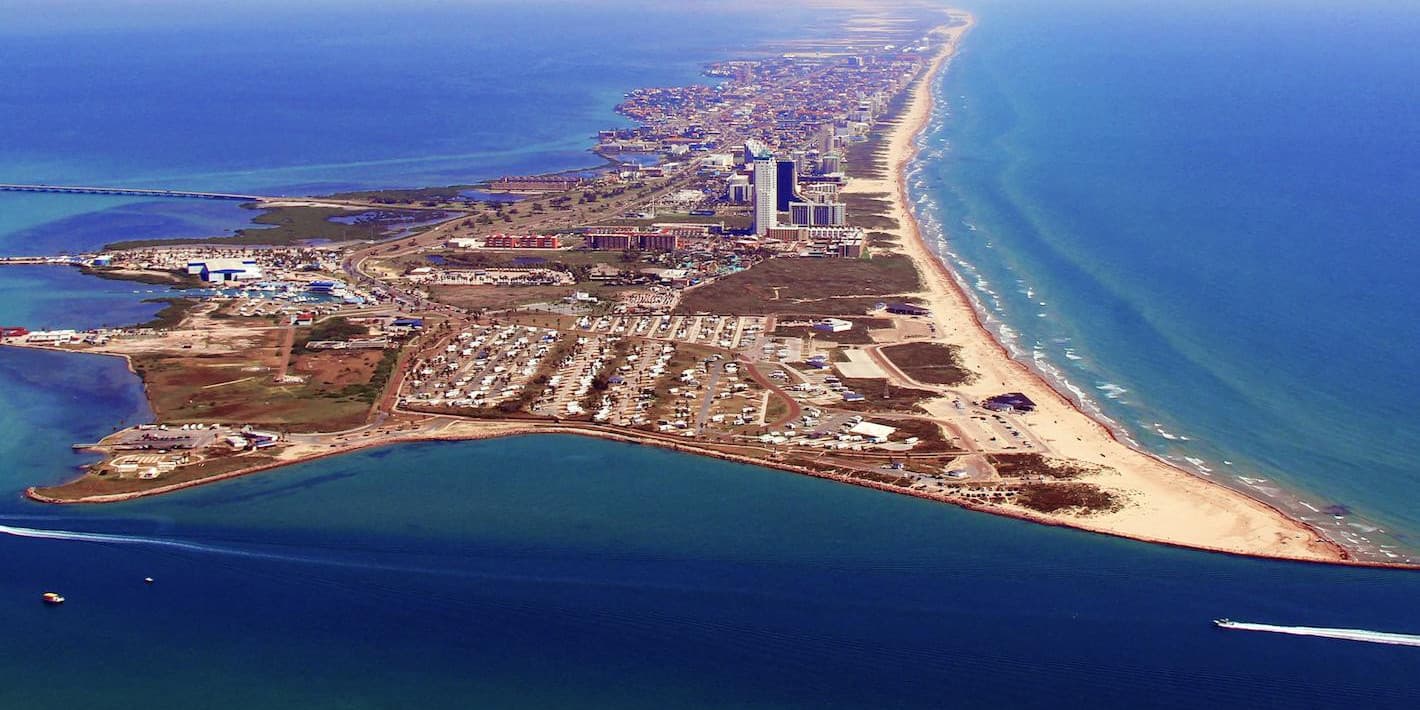
Саут-Падре-Айленд, узкий барьерный остров на южной оконечности Техаса, предлагает уникальное сочетание залитых солнцем пляжей и compelling экосистем. Омываемый Мексиканским заливом на востоке и гиперсоленым Лагуна-Мадре на западе, это место, определяемое своим прибрежным очарованием. Остров известен своими 34 милями пляжей с белым песком и служит важной остановкой для сотен видов перелетных птиц, а также критически важным убежищем для исчезающих морских черепах.
Помимо своей природной красоты, Саут-Падре-Айленд предлагает расслабленную атмосферу, резкий контраст с его более шумным прошлым. Хотя когда-то это было известное место для весенних каникул, остров развился и теперь предлагает разнообразные мероприятия, от эко-приключений до строительства песчаных замков, привлекая семьи, пары и одиночных путешественников.
История Саут-Падре-Айленд насчитывает тысячелетия, археологические данные свидетельствуют о человеческом присутствии уже в 5-м тысячелетии до нашей эры. Каранкава, кочевая группа коренных народов, была основным племенем вдоль побережья Техаса, разбивая сезонные лагеря на острове и используя его обильные прибрежные ресурсы для рыбалки, охоты и собирательства. Считается, что они появились как отдельная культурная группа около 1400 года нашей эры.
Испанская разведка началась в 16 веке, а в 1759 году король Испании Карлос III пожаловал остров Николасу Бальи. Позже остров перешел к его внуку, падре Хосе Николасу Бальи, католическому священнику, скотоводу и пионеру, который основал первое постоянное поселение в 1804 году. Он также основал миссии и церкви на материке. Во время владения падре Бальи остров был известен как Исла-де-Сантьяго.
После смерти падре Бальи в 1829 году его наследники постепенно утратили контроль над островом. Суверенитет Саут-Падре-Айленд перешел от Испании к Мексике в 1820 году, затем к Республике Техас в 1836 году и, наконец, стал частью Соединенных Штатов в 1848 году после Мексикано-американской войны. Национальный исторический парк Пало-Альто-Баттлфилд, менее чем в часе езды от Саут-Падре, отмечает место первого крупного сражения этой войны.
В середине 19 века остров начал получать признание как курортное направление. Однако значительное развитие произошло только в 1950-х годах с завершением строительства моста Куин-Изабелла-Козуэй в 1954 году, соединившего Порт-Изабел с Саут-Падре-Айленд. Этот мост, изначально разводной, изменил доступ к острову, который ранее был доступен только на пароме. Ураган Бьюла в 1967 году нанес значительный ущерб как Порт-Изабел, так и Саут-Падре-Айленд, подавив некоторое раннее процветание.
К концу 20 века население Саут-Падре-Айленд выросло, и туризм стал его основной отраслью, с пиковыми сезонами в конце зимы, весной и летом. Хотя он приобрел репутацию оживленного места для весенних каникул, остров все больше подчеркивает свои природные достопримечательности и мероприятия для семей, такие как Sandcastle Days. Сегодня Саут-Падре-Айленд также является главным местом для наблюдения за запусками ракет SpaceX с его объектов Starbase.
Саут-Падре-Айленд предлагает разнообразные впечатления, от спокойных встреч с природой до увлекательных мероприятий. Центр наблюдения за птицами, природой и заповедник аллигаторов Саут-Падре-Айленд является ключевым местом, предоставляя настилы и смотровые вышки для наблюдения за сотнями видов перелетных птиц и другой дикой природы. Для любителей морской жизни Sea Turtle, Inc. — это центр спасения и реабилитации морских черепах, предлагающий образовательную информацию и даже возможность увидеть выпуск детенышей в определенные месяцы.
Пляжи острова являются центральным элементом его привлекательности. Парк Исла-Бланка предоставляет широкие возможности для наслаждения солнцем и серфингом. Посетители также могут заехать на пляж по специальным въездам за небольшую плату. Помимо пляжа, рассмотрите эко-круиз для наблюдения за дельфинами по заливу Лагуна-Мадре, чтобы увидеть игривых морских млекопитающих. Для исторической перспективы и панорамных видов острова и Мексиканского залива поднимитесь на маяк Порт-Изабел, единственный на побережье Техаса, открытый для публики. На острове также проводятся мероприятия, такие как Sandcastle Days в октябре, демонстрирующие замысловатые песчаные скульптуры.
Лучшим временем для посещения Саут-Падре-Айленд обычно считаются весна (март-май) и осень (сентябрь-ноябрь). Эти сезоны предлагают комфортную температуру и меньше туристов по сравнению с пиковыми летними месяцами. Хотя март может быть оживленным из-за весенних каникул, в апреле и мае условия более спокойные, с теплой, ветреной погодой и приятной температурой воды.
Осенью вода остается теплой для купания до октября, а темп жизни замедляется, погода прекрасная, так как интенсивная летняя жара спадает. Лето (июнь-август) идеально подходит для любителей солнца и тех, кто любит жаркую, влажную погоду и теплую океанскую воду, хотя это пик туристического сезона с большим количеством туристов. Зима (декабрь-февраль) — межсезонье, предлагающее наименьшее количество туристов и часто более привлекательные цены на проживание, с обычно мягкой и солнечной погодой, подходящей для осмотра достопримечательностей.
По Саут-Падре-Айленд легко ориентироваться, а бульвар Падре является главной магистралью. Многие районы доступны пешком или на велосипеде, а аренда гольф-каров — популярный и удобный способ передвижения. Если вы летите, рассмотрите аэропорты в близлежащих городах, а затем доберитесь до острова на машине. Варианты размещения варьируются от пляжных курортов и отелей до кондоминиумов и аренды для отпуска, при этом рекомендуется бронировать заранее в пиковые сезоны.
Туристический центр Саут-Падре-Айленд, расположенный по адресу 321 Padre Boulevard, предлагает карты, путеводители и полезную информацию. Находясь на пляже, помните о соблюдении местных постановлений: не мусорить, использовать предназначенные для этого мусорные баки, не блокировать доступ к пляжу, а стекло запрещено. В жилых районах действуют часы тишины, обычно с 22:00 до 6:59 по будням и с 23:00 до 6:59 по выходным.
Саут-Падре-Айленд: корейский, китайский, иврит и ещё 29 языков — каждую остановку озвучивает носитель языка. Самый широкий выбор языков среди аудиоэкскурсий без гида.
Доступные языки: