Puerto Antiguo de Shuomen
Arqueólogos desenterraron recientemente un secreto que revela la inesperada importancia histórica de Wenzhou.
La historia completa se desbloquea en el tour
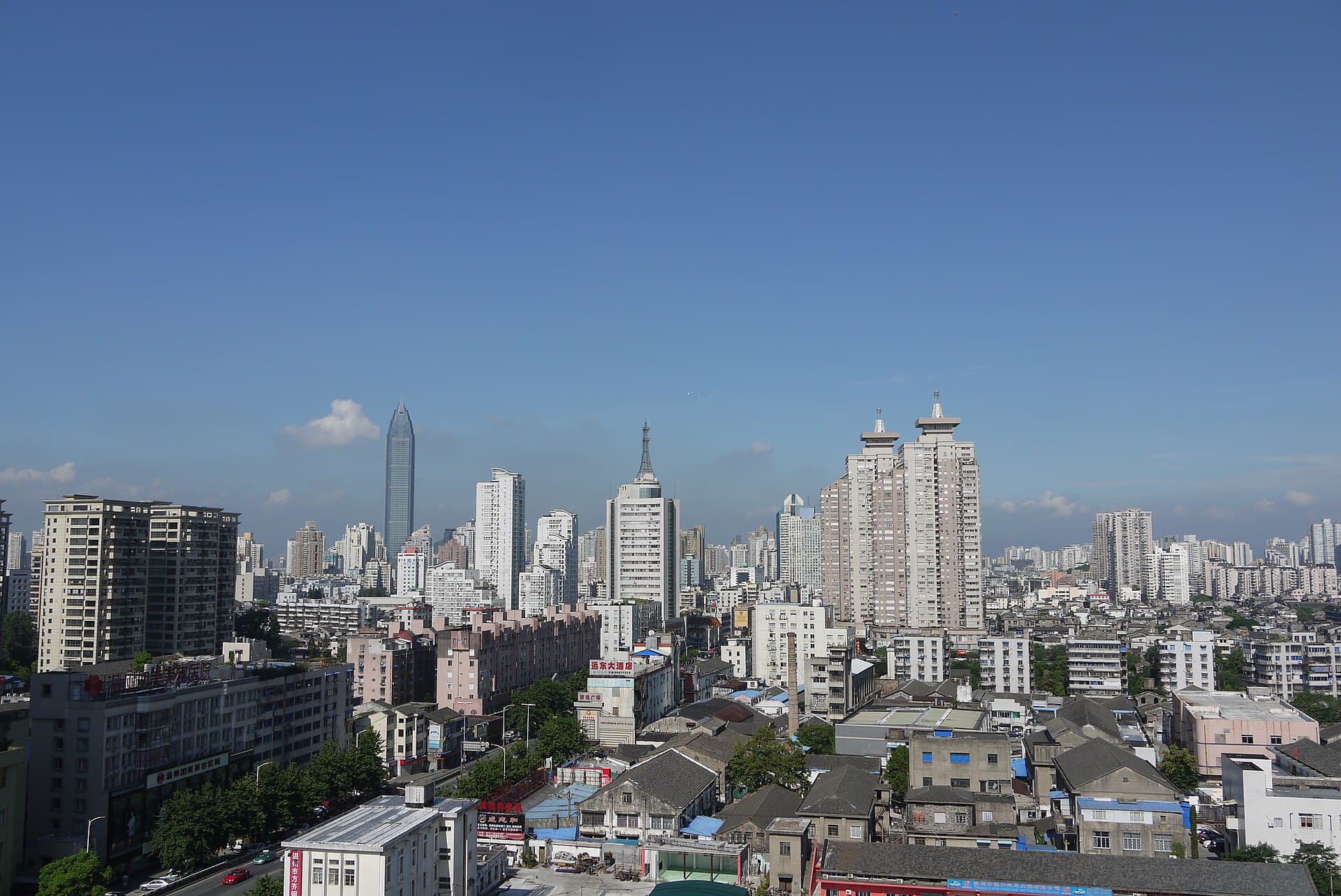 Pascal3012 / CC BY-SA 3.0, via Wikimedia Commons
Tour de audio autoguiado de Wenzhou — ruta GPS a pie, reproducción offline, narración en 32 idiomas.
“Donde las montañas se encuentran con el mar, Wenzhou resuena con espíritu emprendedor y ecos ancestrales.”
No las postales. Las historias que ni los locales conocen — al oído, justo donde ocurrieron.
Arqueólogos desenterraron recientemente un secreto que revela la inesperada importancia histórica de Wenzhou.
El trazado original de la ciudad no era solo práctico; estaba divinamente inspirado.
Más allá de su reputación por los negocios, Wenzhou guarda un secreto culinario único.
Descubre todos los secretos de Wenzhou
Cada dirección, cada revelación al completo — a tu oído, justo donde ocurrió.
Eliges tus paradas. Caminas. La voz te revela lo que los demás ignoran.


Tu tour de audioguía por Wenzhou te espera — elige tus lugares, tu idioma y empieza al llegar.
ComprarLume incluye una guía de realidad aumentada. Levanta el móvil y su cámara muestra la calle que tienes delante, con una flecha luminosa sobre la imagen real que siempre apunta a tu próxima parada — sin mapas que descifrar, sin giros equivocados. Como todo en Lume, funciona completamente sin conexión.
Wenzhou, una ciudad costera en la provincia china de Zhejiang, presenta una cautivadora mezcla de historia antigua, espíritu emprendedor y sorprendentes paisajes naturales. Bordeada por el Mar de China Oriental y las Colinas de Zhejiang-Fujian, su geografía distintiva ha moldeado su identidad como un importante puerto marítimo y una cuna de la economía privada de China. El nombre de la ciudad, que literalmente significa "prefectura cálida", refleja su clima subtropical templado y húmedo, que ofrece estaciones distintas y abundantes lluvias.
Más allá de su moderno horizonte, el núcleo urbano de Wenzhou aún conserva vestigios de su pasado centenario, con un trazado influenciado por los principios del feng shui. Es un lugar donde las industrias artesanales tradicionales, como la producción de celadón, alguna vez florecieron, y donde una cultura pragmática y pro-negocios tiene profundas raíces. Los viajeros a Wenzhou pueden explorar una diversa gama de atracciones, desde pintorescas montañas y ríos serpenteantes hasta sitios históricos y animadas calles comerciales.
La historia de Wenzhou se remonta al menos 5.000 años, con evidencia arqueológica que indica actividad humana y producción de cerámica en la zona durante el Neolítico. Originalmente habitada por el pueblo Ou, también conocido como Ouyue, la región fue una vez la capital del Reino de Dong'ou hace más de 2.200 años. En el año 323 d.C., durante la Dinastía Jin, se estableció la Comandancia de Yongjia, marcando el inicio oficial de la historia administrativa de Wenzhou. La ciudad recibió su nombre actual, Wenzhou, en el año 675 d.C. durante la Dinastía Tang, un nombre que se traduce como "región templada" debido a su clima moderado.
La estratégica ubicación costera de Wenzhou y su aislamiento por las montañas circundantes fomentaron una fuerte tradición de comercio marítimo. Para las dinastías Song (960–1279) y Yuan (1271–1368), se había convertido en un importante puerto marítimo, prosperando con la exportación de bienes como celadón, seda y té. La ciudad también era famosa por su industria de construcción naval, llegando a construir 600 barcos anualmente para el gobierno durante el período final de la Dinastía Song del Norte. Esta cultura comercial de larga data sentó las bases para lo que se conocería como el "modelo Wenzhou" de desarrollo.
A finales del siglo XX, Wenzhou se convirtió en pionera de las reformas económicas en China, siendo una de las primeras ciudades en experimentar con reformas orientadas al mercado después de 1978. Fue designada una de las primeras 14 ciudades costeras abiertas de China en 1984, atrayendo inversión extranjera e impulsando la transformación de las industrias tradicionales. Hoy en día, Wenzhou es reconocida como la "cuna de la economía privada de China", con un dinámico sector financiero privado y una reputación por su espíritu emprendedor.
Wenzhou ofrece una diversa gama de atracciones, desde maravillas naturales hasta sitios históricos y áreas urbanas enérgicas. Las Montañas Yandang, un Geoparque Mundial de la UNESCO, recompensan la exploración con sus formaciones rocosas únicas, picos afilados, cascadas y cuevas. Otra escapada natural es el Área Escénica del Río Nanxi, conocida por sus antiguos pueblos, casas tradicionales, templos y academias. Para aquellos que buscan aventuras en islas, las Islas Nanji son una Reserva Natural Marina de la UNESCO, mientras que el Distrito de Dongtou, también conocido como el "Condado de las Cien Islas", ofrece magníficas vistas al mar e islas interconectadas.
Dentro de la ciudad, el Islote Jiangxin (Isla de los Amantes) en el río Oujiang es un refugio sereno con antiguas pagodas, jardines y el Templo Jiangxin, de más de 1.000 años de antigüedad. La Calle Wuma es una zona comercial histórica donde la arquitectura tradicional se mezcla con tiendas modernas, ofreciendo un vistazo a la animada vida comercial de la ciudad. Para una inmersión más profunda en el pasado de Wenzhou, el Museo de Wenzhou rastrea la historia de la ciudad como un próspero puerto comercial, exhibiendo cerámicas y artesanías. Otros lugares notables incluyen el Área Escénica de Zeya y el Área Escénica de Xianyan en el Distrito de Ouhai, que ofrecen belleza natural y actividades recreativas.
Las épocas más agradables para visitar Wenzhou son durante la primavera (abril a junio) y el otoño (septiembre a octubre). Estas estaciones ofrecen temperaturas agradables, clima suave y menor humedad. En primavera, las flores están en flor, lo que hace que los sitios naturales como la Montaña Yandang y el Río Nanxi sean particularmente hermosos. El otoño también proporciona un clima más fresco y una disminución de las lluvias, ideal para paseos por la ciudad y visitas culturales. El Festival Cultural de Otoño Dorado, que se celebra entre septiembre y octubre, ofrece la oportunidad de experimentar la cultura local a través de actuaciones y espectáculos de luces. Los veranos (julio y agosto) son calurosos, húmedos y propensos a fuertes lluvias y tifones ocasionales, mientras que los inviernos (diciembre a febrero) son más suaves pero pueden ser húmedos.
El Aeropuerto Internacional de Wenzhou Longwan (WNZ) conecta la ciudad con aproximadamente 100 destinos, incluyendo las principales ciudades chinas y algunas rutas internacionales. Desde el aeropuerto, se puede llegar al centro de Wenzhou en autobús urbano, autobús lanzadera o taxi. La ciudad cuenta con un sistema ferroviario bien desarrollado, con la Estación de Tren de Wenzhou que atiende trenes no bala y la Estación de Tren del Sur de Wenzhou que maneja trenes de alta velocidad a ciudades como Shanghái, Pekín y Hangzhou. Los autobuses urbanos son una forma económica de moverse, con la mayoría de las tarifas a 1,5 CNY, aunque es mejor tener el cambio exacto ya que no hay cobradores. Los taxis también están fácilmente disponibles, con tarifas que varían entre el día y la noche. Si bien Wenzhou alguna vez tuvo extensas vías fluviales, la mayoría de las líneas de cruceros han sido canceladas, quedando solo unas pocas para las islas y puntos escénicos cercanos. El dialecto local, wenzhounés, es distinto y desafiante, por lo que las aplicaciones de idiomas o los intérpretes pueden ser útiles.
Wenzhou en coreano, en chino o en hebreo — y 29 idiomas más, cada parada narrada por una voz nativa. La mayor variedad de idiomas de cualquier audioguía autoguiada.
Disponible en: