Las Murallas de la Ciudad de Binche
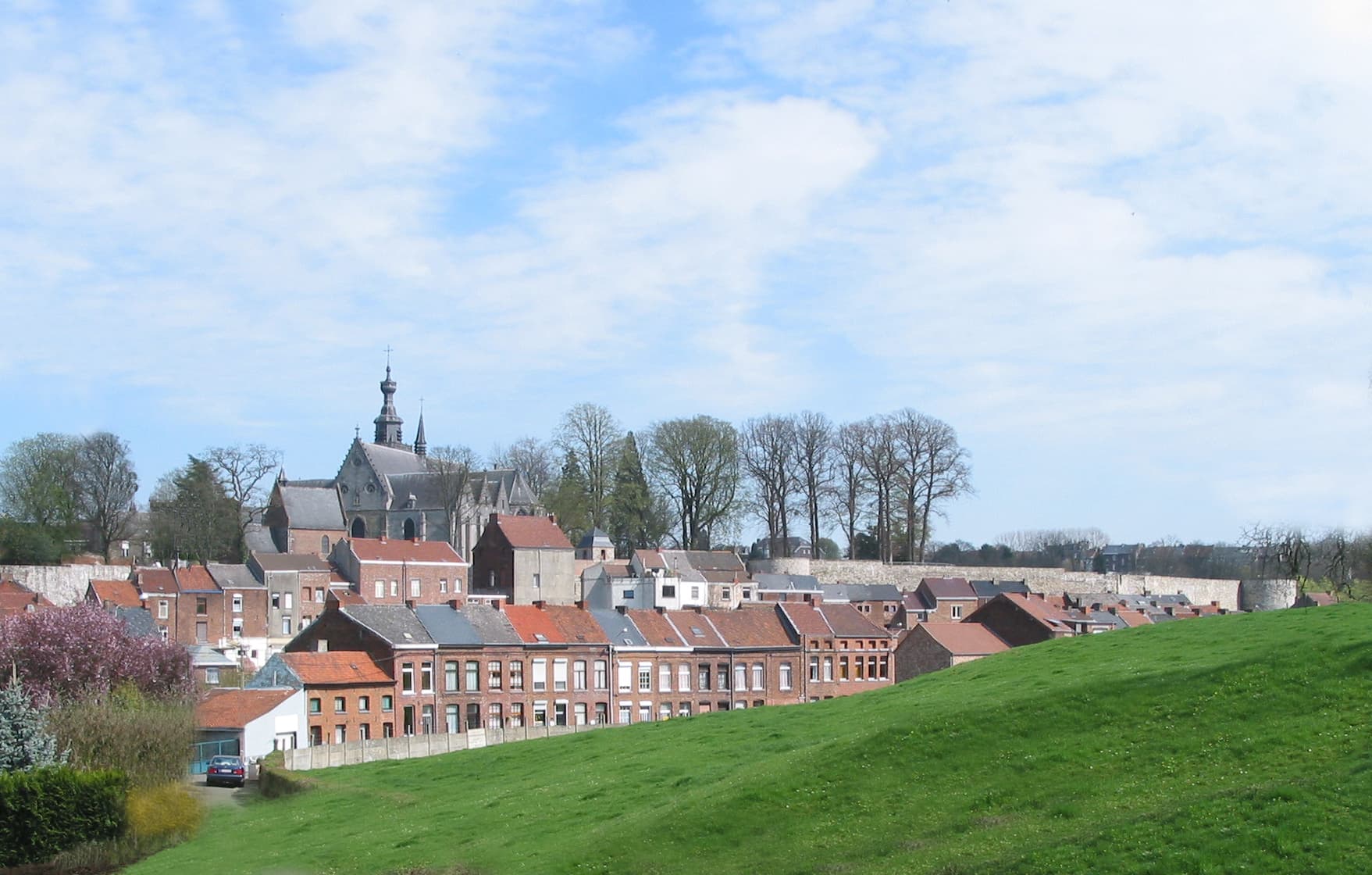
Las fortificaciones medievales de Binche, entre las más bellas de Bélgica, una vez cedieron ante una visión más grandiosa.
La historia completa se desbloquea en el tour
 Unknown author / CC BY 2.0, via Wikimedia Commons
Tour de audio autoguiado de Binche — ruta GPS a pie, reproducción offline, narración en 32 idiomas.
“Antiguos muros abrazan el espíritu perdurable del carnaval de una ciudad.”
No las postales. Las historias que ni los locales conocen — al oído, justo donde ocurrieron.
Las fortificaciones medievales de Binche, entre las más bellas de Bélgica, una vez cedieron ante una visión más grandiosa.
Los imponentes y emblemáticos sombreros que usan los Gilles durante el Carnaval de Binche son un espectáculo, pero su costo podría sorprenderte.
Binche es famosa por un delicado encaje de bolillos, un oficio que alguna vez dominó la economía de la ciudad.
Descubre todos los secretos de Binche
Cada dirección, cada revelación al completo — a tu oído, justo donde ocurrió.
Eliges tus paradas. Caminas. La voz te revela lo que los demás ignoran.


Tu tour de audioguía por Binche te espera — elige tus lugares, tu idioma y empieza al llegar.
ComprarLume incluye una guía de realidad aumentada. Levanta el móvil y su cámara muestra la calle que tienes delante, con una flecha luminosa sobre la imagen real que siempre apunta a tu próxima parada — sin mapas que descifrar, sin giros equivocados. Como todo en Lume, funciona completamente sin conexión.
Binche, una cautivadora ciudad en la provincia de Henao en Bélgica, ofrece un pasaje a través del tiempo con sus murallas medievales notablemente conservadas y sus calles desgastadas por el tiempo. Aunque pueda parecer tranquila durante gran parte del año, Binche obtiene reconocimiento mundial por su Carnaval anual, una obra maestra del patrimonio oral e inmaterial reconocida por la UNESCO.
Más allá del fervor festivo del Carnaval, Binche invita a la exploración de su profundo pasado, desde sus orígenes en el siglo XII hasta sus maravillas arquitectónicas. El lema de la ciudad, "Plus Oultre" (Más allá), alguna vez perteneció al emperador del Sacro Imperio Romano Germánico Carlos V, reflejando una historia entrelazada con poderosas figuras europeas. Ya sea atraído por las antiguas costumbres o el encanto medieval, Binche ofrece un encuentro belga singular.
## De Fortaleza Medieval a Residencia Real La narrativa de Binche comienza en el siglo XII, establecida formalmente por Yolanda de Guelders, esposa del duque Balduino III de Henao. Su hijo, Balduino IV, fortificó el asentamiento, posicionándolo como un baluarte fronterizo contra Francia. Las murallas de la ciudad se expandieron a su extensión actual en el siglo XIV, rodeando todo el centro de la ciudad.
La ciudad alcanzó un cenit de influencia económica y política durante el dominio español sobre Bélgica. En 1545, el emperador Carlos V otorgó el castillo medieval de Binche a su hermana, María de Hungría, quien sirvió como gobernadora de los Países Bajos. María transformó el castillo en un magnífico palacio, concebido por Jacques Du Brœucq, con aspiraciones de rivalizar con el Palacio de Fontainebleau. El propio Carlos V visitó Binche en 1549, donde María orquestó extravagantes festividades, incluyendo una celebración para conmemorar la conquista española de Perú. Sin embargo, esta era de esplendor fue efímera. En 1554, el palacio y gran parte de la ciudad fueron arrasados por las fuerzas del rey Enrique II de Francia.
## Cambios Industriales y Tradiciones Duraderas Los siglos XIX y principios del XX vieron a Binche, como gran parte de la región, moldeada por la Revolución Industrial, con la minería del carbón desempeñando un papel significativo. A pesar de estas transformaciones industriales, Binche se aferró a su distintivo legado cultural. La tradición más celebrada de la ciudad, el Carnaval de Binche, tiene sus orígenes en el siglo XIV, con relatos escritos de la celebración que aparecen ya en 1394. En 2003, el Carnaval recibió el reconocimiento de la UNESCO como Obra Maestra del Patrimonio Oral e Inmaterial de la Humanidad, un testimonio de su importancia duradera y la dedicación de la comunidad a preservar sus costumbres.
Comience su viaje en las murallas medievales de la ciudad meticulosamente conservadas, que aún rodean el centro de la ciudad y cuentan con 27 torres. Estas murallas se consideran entre las mejor conservadas de la región del Benelux. Pasee por las calles desgastadas por el tiempo dentro de estas antiguas fortificaciones para absorber el ambiente histórico de la ciudad.
En la plaza central, descubrirá el Ayuntamiento de Binche, un edificio de estilo gótico coronado con un campanario renacentista. El Ayuntamiento y su campanario están inscritos en la Lista del Patrimonio Mundial de la UNESCO, reconocidos por su prominencia cívica y mérito arquitectónico. El campanario, inusualmente integrado con el ayuntamiento, una vez hizo sonar las alarmas a los ciudadanos durante las emergencias.
Incluso si llega fuera de la famosa temporada de Carnaval, el Museo Internacional del Carnaval y la Máscara ofrece una exploración inmersiva de la historia de las máscaras y las tradiciones carnavalescas en todo el mundo, con especial atención a la propia celebración de Binche. Situado en un colegio agustino del siglo XVIII, el museo ofrece una visión de los elaborados trajes, rituales y el profundo significado de este evento cultural único. Para aquellos interesados en la historia local más allá del Carnaval, el pueblo adyacente de Waudrez, a solo 2 kilómetros al oeste, alberga un Museo Galo-Romano.
El momento ideal para experimentar Binche depende de sus inclinaciones. Para presenciar el mundialmente reconocido Carnaval de Binche, planifique su visita para los tres días anteriores al Miércoles de Ceniza, generalmente a finales de febrero o principios de marzo. Durante este período, la ciudad cobra vida con celebraciones, aunque el alojamiento puede ser más costoso.
Para hacer turismo en general y actividades al aire libre, los meses más cálidos, desde finales de junio hasta principios de septiembre, ofrecen un clima agradable. La primavera (abril a junio) y el otoño (septiembre a octubre) también ofrecen días templados y menos multitudes, lo que los hace adecuados para explorar los sitios históricos de la ciudad y saborear la atmósfera local.
Binche está situada en la provincia de Henao, de habla francesa, en Valonia, a aproximadamente 15 kilómetros de la frontera francesa. El francés es el idioma oficial, y aunque se puede entender algo de inglés, aprender algunas frases en francés puede mejorar su experiencia.
La ciudad es fácilmente accesible en tren desde Bruselas, con un viaje que dura poco más de una hora hasta la estación de tren de Binche, ubicada al este del centro de la ciudad. Si viaja en coche, Binche está cerca de la circunvalación R3 de Charleroi, con salidas de las autopistas E19 y E42 que proporcionan rutas directas. El aeropuerto más cercano es el aeropuerto de Charleroi (CRL), servido por aerolíneas de bajo coste.
Binche es una ciudad compacta que se presta a la exploración a pie. Un solo día suele ser suficiente para ver las principales atracciones, aunque se recomienda un fin de semana completo si tiene la intención de sumergirse en las festividades del Carnaval.
Binche en coreano, en chino o en hebreo — y 29 idiomas más, cada parada narrada por una voz nativa. La mayor variedad de idiomas de cualquier audioguía autoguiada.
Disponible en: