Maison Leffe
Prima di diventare una amata birra belga, la birra Leffe ebbe un'inaspettata origine salvavita.
La storia completa si sblocca nel tour
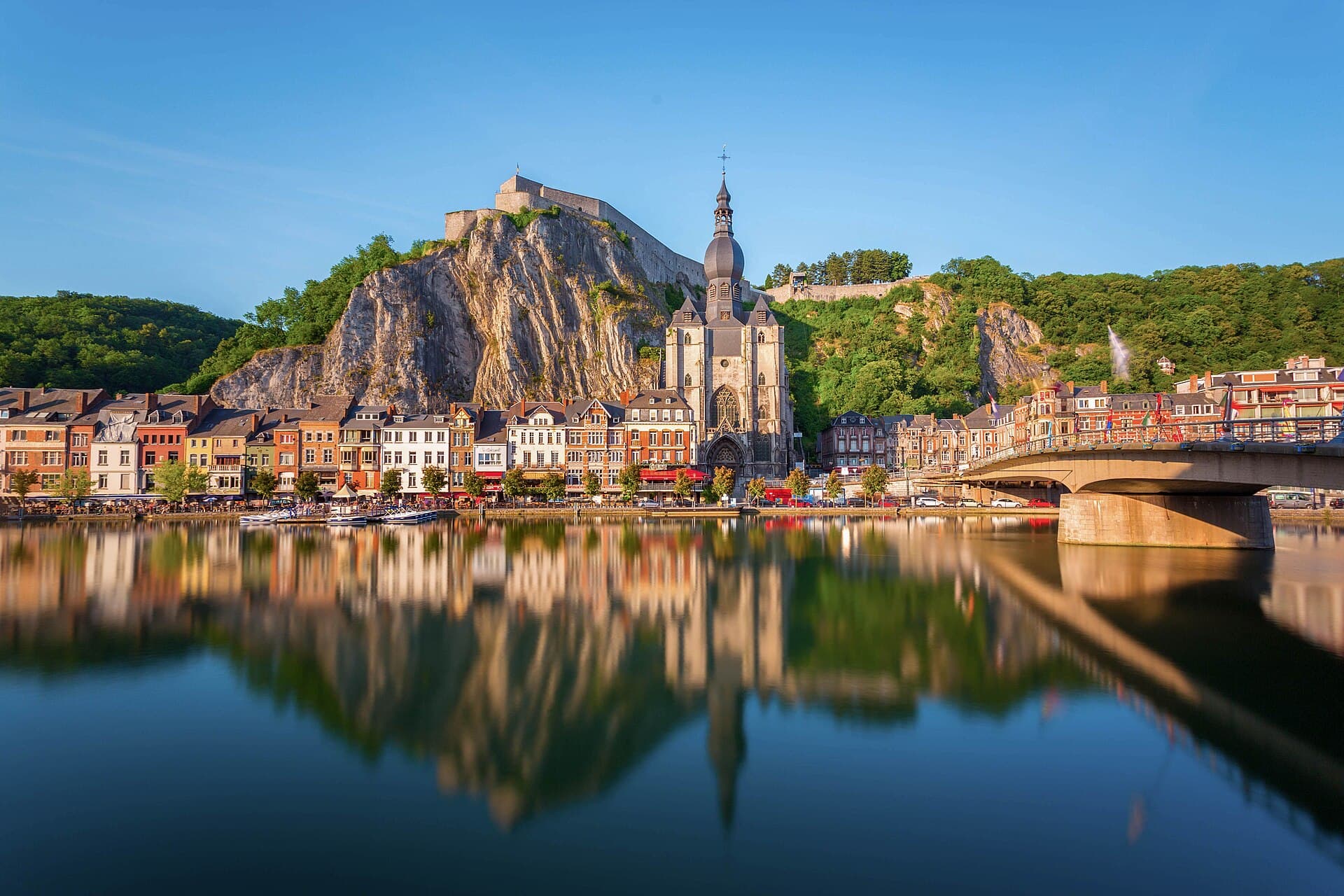 https://www.flickr.com/photos/jiuguangw/ / CC BY-SA 2.0, via Wikimedia Commons
Tour audio autoguidato di Dinant — percorso GPS a piedi, riproduzione offline, narrazione coinvolgente in 32 lingue.
“Dove le scogliere incontrano la Mosa e la musica riempie l'aria.”
Non le cartoline. Le storie che nemmeno i locali conoscono — sussurrate nel tuo orecchio, proprio dove sono accadute.
Prima di diventare una amata birra belga, la birra Leffe ebbe un'inaspettata origine salvavita.
Il ponte adornato da colorati sassofoni commemora un momento cruciale per un futuro leader francese.
Questo biscotto locale è così duro che non è fatto per essere morso.
Scopri ogni segreto di Dinant
Ogni indirizzo, ogni rivelazione completa — nel tuo orecchio, proprio dove è accaduta.
Scegli le tue tappe. Cammini. La voce rivela ciò che gli altri perdono.


Il tuo tour audio autoguidato di Dinant è pronto — scegli i tuoi punti di interesse, seleziona la tua lingua e inizia nel momento in cui arrivi.
AcquistaLume include una guida in realtà aumentata. Alza il telefono: la fotocamera mostra la strada davanti a te, con una freccia luminosa sovrapposta all'immagine reale che punta sempre verso la tua prossima tappa — nessuna mappa da decifrare, nessuna svolta sbagliata. Come tutto in Lume, funziona completamente offline.
Dinant, una città affascinante nella regione vallone del Belgio, si adagia con grazia lungo il fiume Mosa, incorniciata da imponenti scogliere calcaree. Il suo nome celtico, 'Divo-Nanto', si traduce in 'Valle Sacra' o 'Valle Divina', una descrizione appropriata per la sua straordinaria bellezza naturale. Questa attraente cittadina, sebbene compatta, offre una ricca gamma di storia, cultura e paesaggi naturali, rendendola una destinazione ideale per coloro che desiderano esplorare oltre le città più grandi del Belgio. Dalla sua imponente cittadella alle sue uniche tradizioni culinarie e al suo patrimonio musicale, Dinant offre un mix di esperienze per ogni viaggiatore.
## Origini Antiche e Prosperità Medievale La posizione strategica di Dinant sul fiume Mosa la rese un insediamento significativo fin dalla preistoria e dall'epoca romana. Già nell'Alto Medioevo, era diventata una città fortificata, fiorente grazie al commercio fluviale e alla sua rinomata lavorazione dei metalli, nota come 'dinanderie'. Questi oggetti in ottone decorativo erano molto apprezzati ed esportati in tutta Europa, contribuendo alla crescita economica della città. Nell'XI secolo, l'Imperatore del Sacro Romano Impero Enrico IV concesse Dinant al Principe-Vescovo di Liegi, che sviluppò ulteriormente le infrastrutture e le difese della città.
## Conflitti e Resilienza La prosperità e la posizione strategica di Dinant portarono spesso a conflitti con le potenze vicine. Nel 1466, il Duca Carlo il Temerario di Borgogna saccheggiò la città per rappresaglia contro una ribellione, distruggendone gran parte e annegando 800 abitanti nella Mosa. Nonostante questa devastazione, Dinant si ricostruì lentamente. Il XIX secolo portò una rinnovata prosperità con la crescita industriale nella lavorazione dei metalli e nella produzione di birra. Tuttavia, la città subì ulteriori tragedie durante la Prima Guerra Mondiale. Nell'agosto 1914, le forze tedesche compirono un massacro, uccidendo oltre 600 civili e distruggendo una parte significativa della città. Dinant fu ricostruita ancora una volta, diventando un simbolo della resilienza belga.
## Luogo di Nascita del Sassofono Oltre al suo passato tumultuoso, Dinant occupa un posto unico nella storia musicale come luogo di nascita di Adolphe Sax, l'inventore del sassofono. Nato a Dinant nel 1814, l'eredità di Sax è celebrata in tutta la città, con sculture colorate di sassofoni che adornano il Ponte Charles de Gaulle e un museo dedicato alla sua vita e alle sue invenzioni.
Iniziate la vostra esplorazione dalla Cittadella di Dinant, una fortezza situata in alto sopra il fiume Mosa. Originariamente una fortificazione dell'XI secolo, la struttura attuale fu in gran parte ricostruita nel 1819 dall'esercito olandese. Raggiungetela in funivia o salendo 408 gradini, e godetevi viste panoramiche sulla città e sulla valle. La Cittadella ospita anche un museo che illustra la sua storia militare, inclusa una toccante simulazione di trincea della Prima Guerra Mondiale.
Sotto la Cittadella si erge la Collegiata di Nostra Signora (Collégiale Notre-Dame), una suggestiva chiesa gotica del XIII secolo nota per il suo unico campanile a forma di pera. A pochi passi di distanza, scoprite la Maison de Monsieur Sax, un centro espositivo gratuito dedicato ad Adolphe Sax, l'inventore del sassofono. Troverete anche sculture colorate di sassofoni lungo il Ponte Charles de Gaulle, ognuna delle quali rappresenta un paese dell'Unione Europea.
Per una prospettiva diversa, fate una crociera sul fiume Mosa, che offre viste panoramiche sulle spettacolari scogliere e sulla città. Gli amanti dell'avventura possono esplorare la Grotta Meravigliosa (Grotte la Merveilleuse), un bellissimo sistema di grotte con stalattiti e stalagmiti situato a breve distanza dal centro città. Infine, approfondite la storia di una famosa birra belga alla Maison Leffe, un museo interattivo che include una degustazione.
Il periodo più piacevole per visitare Dinant per attività all'aperto è da fine giugno a fine agosto. Durante questi mesi, le temperature sono confortevoli, con massime medie di 22-23°C e minime di 12-13°C, e il cielo è spesso sereno. Anche la primavera e l'inizio dell'autunno offrono un clima piacevole e paesaggi splendidi, in particolare con i colori autunnali delle Ardenne. Sebbene Dinant sia una destinazione visitabile tutto l'anno, alcune attrazioni e attività fluviali potrebbero avere orari ridotti o essere chiuse durante la bassa stagione, specialmente da dicembre a marzo.
Dinant è facilmente raggiungibile con vari mezzi. Un treno diretto dalla stazione Bruxelles-Lussemburgo impiega circa 1 ora e 25 minuti. Se viaggiate in auto, il tragitto da Bruxelles dura circa 1 ora e 20 minuti tramite l'autostrada E411. Una volta a Dinant, il centro città è compatto e molto percorribile a piedi, rendendo facile l'esplorazione. Sono disponibili parcheggi pubblici, anche se è consigliabile arrivare presto durante l'alta stagione. Considerate l'acquisto di un biglietto cumulativo per la Cittadella, che spesso include la funivia andata e ritorno e una crociera sul fiume. Molti esercizi accettano pagamenti con carta, ma è sempre saggio avere un po' di euro per piccoli acquisti o parchimetri che potrebbero accettare solo monete.
Dinant — coreano, cinese, ebraico e altre 29 lingue, ogni tappa narrata da una voce madrelingua. La più ampia scelta di lingue tra i tour audio autoguidati.
Disponibile in: