Catedral de Malmedy
La imponente Catedral de San Pedro, San Pablo y San Quirino guarda un detalle sorprendente sobre su designación pasada.
La historia completa se desbloquea en el tour
 Unknown authorUnknown author or not provided / Public domain, via Wikimedia Commons
Tour de audio autoguiado de Malmedy — ruta GPS a pie, reproducción offline, narración en 32 idiomas.
“Donde el pasado de las Ardenas converge con tradiciones vibrantes.”
No las postales. Las historias que ni los locales conocen — al oído, justo donde ocurrieron.
La imponente Catedral de San Pedro, San Pablo y San Quirino guarda un detalle sorprendente sobre su designación pasada.
El renombrado carnaval de Cwarmê de Malmedy, patrimonio inmaterial de Bélgica, ha enfrentado repetidos intentos de supresión a lo largo de su larga existencia.
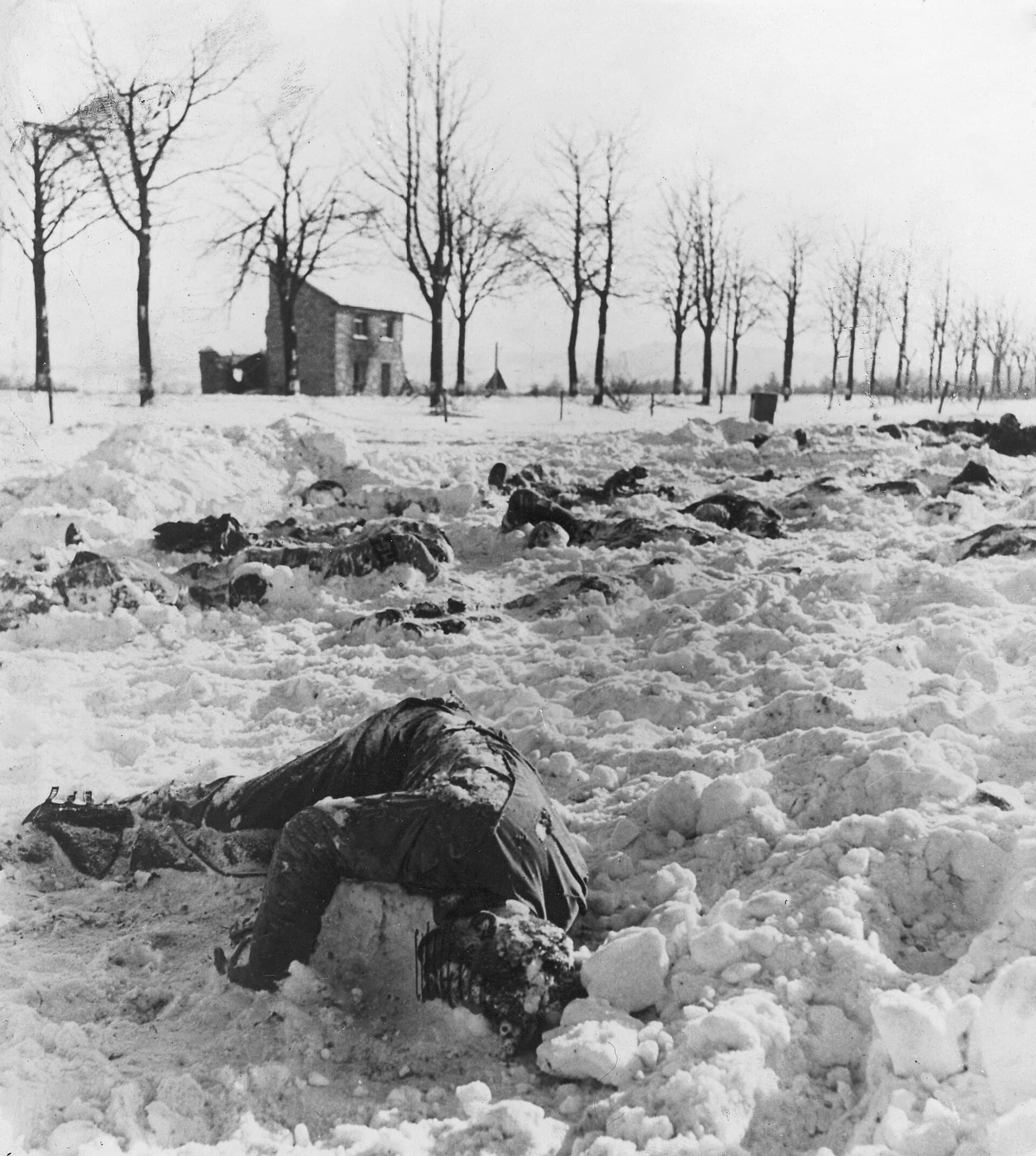
La sombría Masacre de Malmedy durante la Segunda Guerra Mundial implicó una estrategia macabra empleada por algunos supervivientes.
Descubre todos los secretos de Malmedy
Cada dirección, cada revelación al completo — a tu oído, justo donde ocurrió.
Eliges tus paradas. Caminas. La voz te revela lo que los demás ignoran.
Tu tour de audioguía por Malmedy te espera — elige tus lugares, tu idioma y empieza al llegar.
ComprarLume incluye una guía de realidad aumentada. Levanta el móvil y su cámara muestra la calle que tienes delante, con una flecha luminosa sobre la imagen real que siempre apunta a tu próxima parada — sin mapas que descifrar, sin giros equivocados. Como todo en Lume, funciona completamente sin conexión.
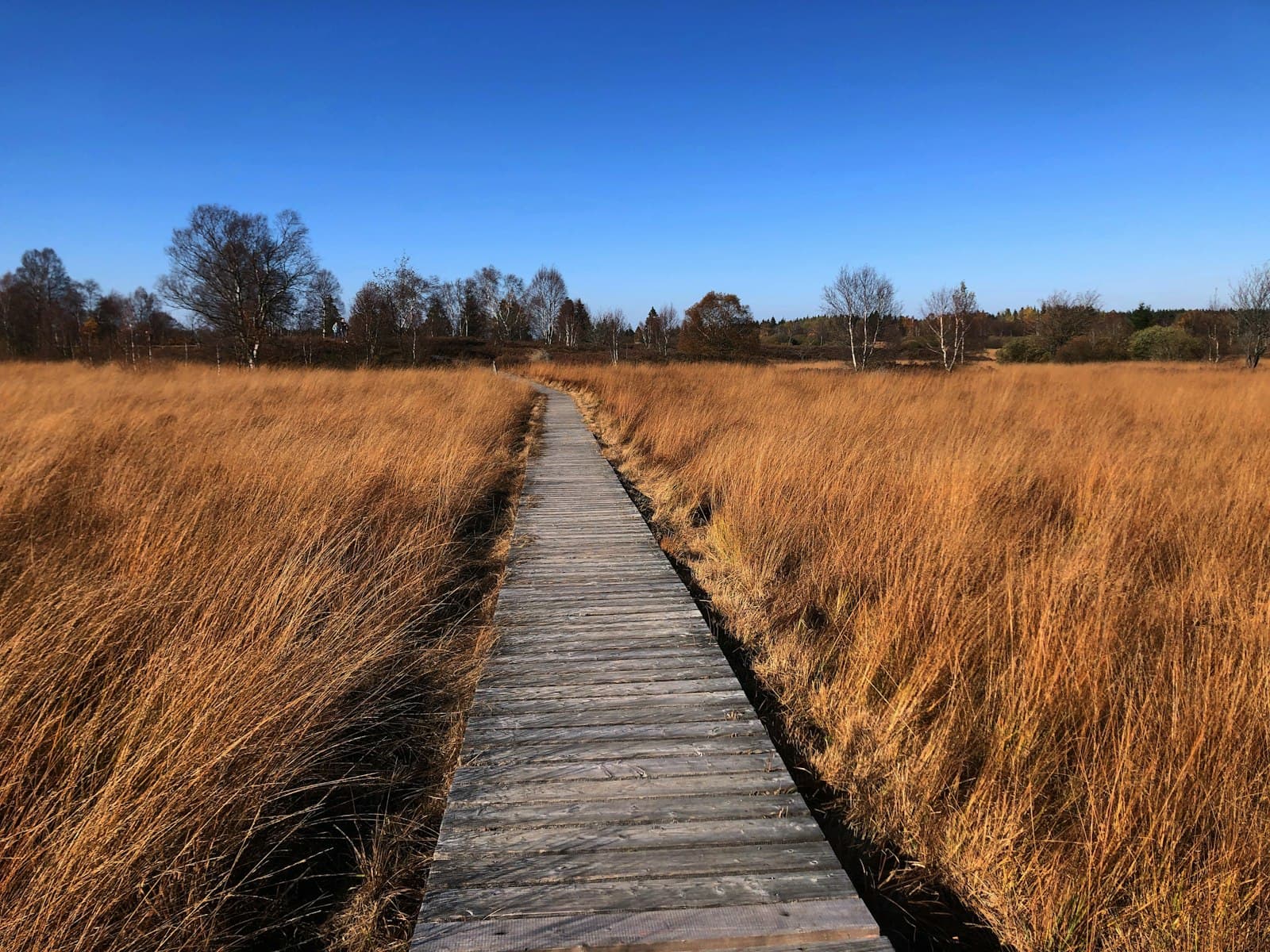
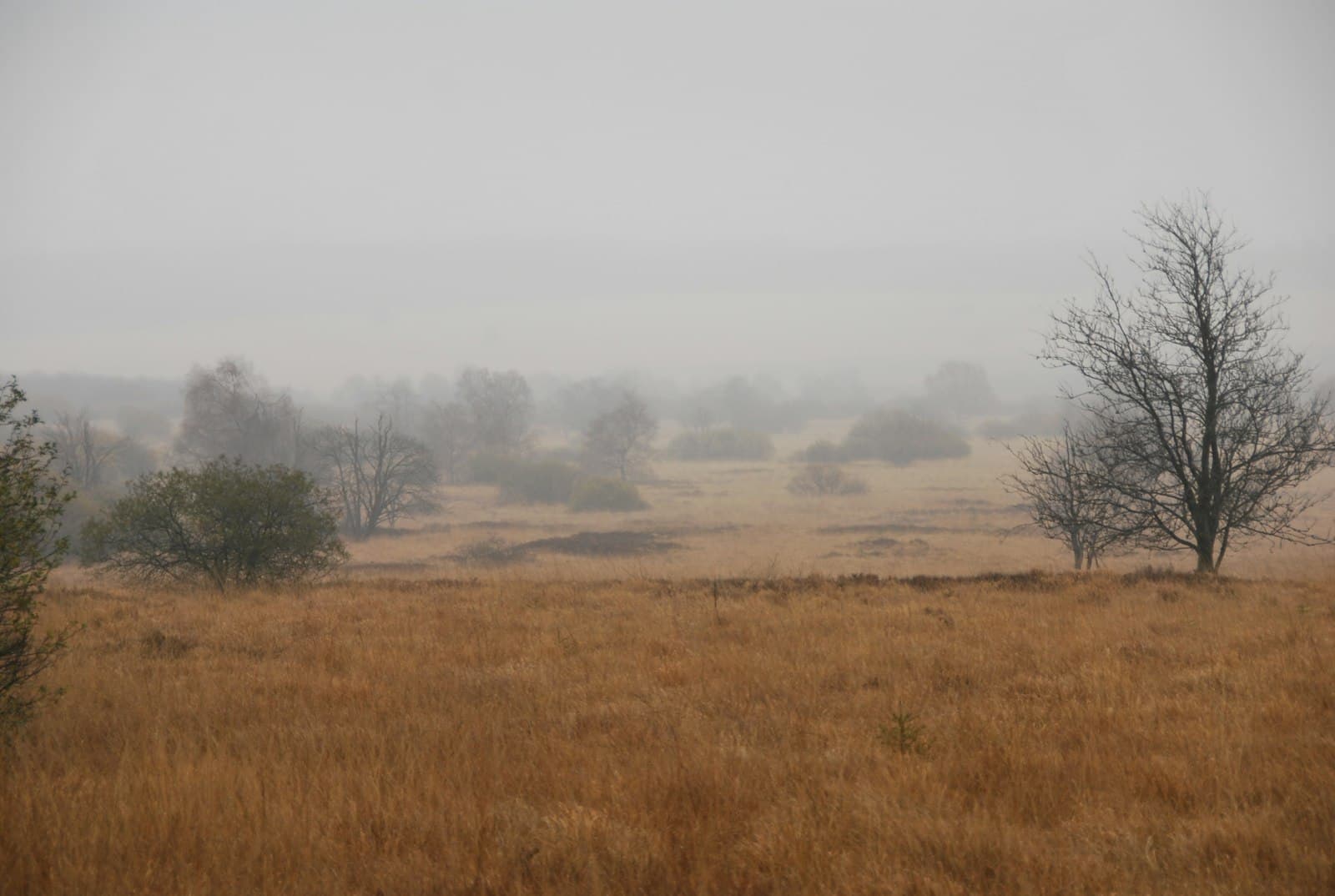
Malmedy, una ciudad en la región de Valonia de Bélgica, se encuentra en el punto de encuentro de los ríos Warche y Warchenne, abrazada por los verdes valles de las Ardenas belgas. Esta pintoresca ciudad, parte de la provincia de Lieja, ofrece una fusión de patrimonio cultural y esplendor natural. Sirve como puerta de entrada al Parque Natural Hautes Fagnes-Eifel, la reserva natural más grande de Bélgica, que cuenta con páramos, bosques y senderos.
La posición singular de la ciudad cerca de la frontera alemana ha moldeado históricamente su cultura, evidente en sus celebraciones y dialecto local. Malmedy es particularmente conocida por su animado Carnaval de Cwarmê, una celebración de cuatro días reconocida como patrimonio inmaterial de la Comunidad Francesa de Bélgica. Más allá de su espíritu festivo, Malmedy ofrece oportunidades para actividades al aire libre, desde caminatas y ciclismo en verano hasta esquí de fondo en invierno.
Los orígenes de Malmedy se remontan al año 648 d.C., cuando San Remaclo, un abad francés, estableció aquí un monasterio benedictino. Durante más de un milenio, hasta 1794, la narrativa de Malmedy estuvo entrelazada con la Abadía Principesca de Stavelot-Malmedy, un microestado clerical dentro del Sacro Imperio Romano Germánico gobernado por un príncipe-abad. Una rivalidad entre Malmedy y Stavelot surgió temprano, ya que San Remaclo designó a Stavelot como la ciudad principal del principado.
Durante los siglos XVI y XVII, Malmedy vio el desarrollo de varias industrias, incluyendo la producción de telas, cuero y pólvora. La región se convirtió en un importante centro de curtido en Europa, pero la fabricación de papel emergió como la principal industria de Malmedy, trayendo una considerable prosperidad. La Revolución Francesa y la Revolución de Lieja llevaron a la anexión del Principado de Stavelot-Malmedy por Francia en 1795, con Malmedy convirtiéndose en una subprefectura.
Después de la derrota de Napoleón en 1815, Malmedy, junto con Stavelot, fue entregada a Prusia. Esto marcó un período en el que los habitantes de la ciudad, a pesar de hablar francés, se encontraron bajo el gobierno alemán. Tras la derrota de Alemania en la Primera Guerra Mundial, el Tratado de Versalles asignó Malmedy y los cantones orientales circundantes a Bélgica en 1920. Esta transferencia se formalizó después de un controvertido referéndum, y Malmedy pasó a formar parte de la Provincia de Lieja en 1925. Sin embargo, la agitación nacionalista alemana llevó a su reanexión por la Alemania nazi durante la Segunda Guerra Mundial.
Malmedy desempeñó un papel grave en la historia de la Segunda Guerra Mundial. En diciembre de 1944, durante la Batalla de las Ardenas, el área fue escenario de la Masacre de Malmedy, donde tropas de las Waffen-SS ejecutaron sumariamente a 84 prisioneros de guerra estadounidenses desarmados en el cruce de Baugnez. La propia ciudad, en manos de tropas estadounidenses, también fue objeto de bombardeos accidentales por parte de la Fuerza Aérea de los Estados Unidos a finales de diciembre de 1944, lo que resultó en una destrucción sustancial y bajas civiles. Después de la guerra, Malmedy fue devuelta a Bélgica en 1945. Hoy en día, aunque el francés es el idioma predominante, un pequeño porcentaje de la población de Malmedy todavía habla alemán, y la ciudad ofrece facilidades lingüísticas para sus residentes de habla alemana.
El centro de Malmedy ofrece un atractivo casco histórico para descubrir. La Catedral de San Pedro, San Pablo y San Quirino es una elegante estructura barroca del siglo XVIII, originalmente una iglesia abacial, que domina la plaza del pueblo. En su interior, se encuentran exquisitos trabajos en madera y altares de mármol. Adyacente a la catedral se encuentra el Malmundarium, un centro cultural e histórico ubicado en un antiguo monasterio. Aquí, las exposiciones profundizan en el folclore local, la historia de la fabricación de papel y la curtiduría, industrias que dieron forma al pasado de la ciudad. El Malmundarium también cuenta con un Estudio del Carnaval dedicado, que explora la historia y los personajes del Cwarmê.
Para los interesados en la historia de la Segunda Guerra Mundial, el Centro Histórico Baugnez 44 y el Monumento a la Masacre de Malmedy se encuentran cerca de la ciudad, conmemorando los trágicos eventos de diciembre de 1944. Más allá de la ciudad, Malmedy sirve como puerta de entrada al Parque Natural Hautes Fagnes-Eifel, ofreciendo amplias oportunidades para caminar y andar en bicicleta a través de sus páramos y bosques. Entre las atracciones naturales destacadas se encuentran la Cascada de Bayehon y varios senderos con pasarelas a través de las Altas Fagnes. Para aquellos que buscan emoción, Bikepark Ferme Libert es el parque de bicicletas más grande de la región del Benelux, con pistas de descenso y four-cross.
Malmedy es un destino que ofrece algo durante todo el año. Para actividades al aire libre como caminar y andar en bicicleta, la primavera y el verano (junio a septiembre) ofrecen temperaturas agradables, que suelen oscilar entre 18°C y 22°C (64°F a 72°F). El otoño pinta los bosques circundantes con colores brillantes. El invierno es ideal para aquellos interesados en el esquí de fondo en las Hautes Fagnes o en experimentar los mercados navideños locales. La época más atmosférica y concurrida para visitar es durante febrero para el Carnaval de Cwarmê, un festival de cuatro días que precede al Martes de Carnaval.
Malmedy se encuentra a aproximadamente 140 km (87 millas) de Bruselas, un viaje de unas dos horas por las autopistas E40 y E42. Aunque no hay servicios directos de tren a Malmedy, la estación de tren principal más cercana es Verviers, desde donde los autobuses ofrecen una conexión de 30 minutos a Malmedy. Tener un coche es ventajoso para explorar las reservas naturales y los pueblos de los alrededores. La ciudad es de habla francesa, aunque algunos lugareños también hablan alemán debido a sus lazos históricos. La moneda local es el euro. Para especialidades locales, pruebe el 'Boudin de Malmedy', una salchicha tradicional, o los 'Baisers de Malmedy', un ligero merengue que ha sido un manjar local desde el siglo XIX. La oficina de turismo de Malmedy, situada en Place du Châtelet 9, puede proporcionar mapas e información sobre paseos y actividades.
Malmedy en coreano, en chino o en hebreo — y 29 idiomas más, cada parada narrada por una voz nativa. La mayor variedad de idiomas de cualquier audioguía autoguiada.
Disponible en: