Castillo de Bouillon
El formidable Castillo de Bouillon, un símbolo del poder medieval, guarda un sorprendente secreto sobre su dueño más famoso y su gran ambición.
La historia completa se desbloquea en el tour
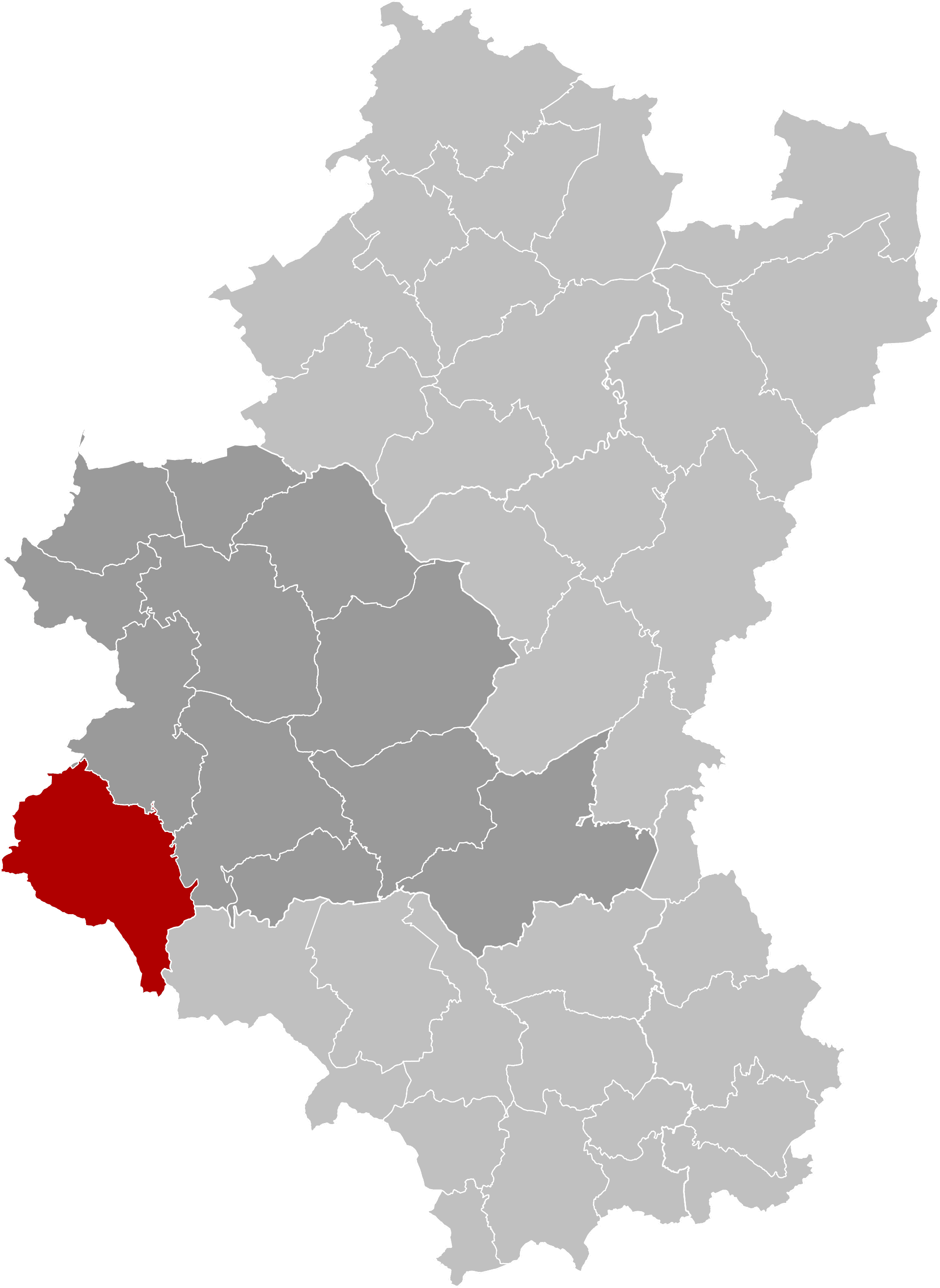 OD02fr / CC BY-SA 4.0, via Wikimedia Commons
Tour de audio autoguiado de Bouillon — ruta GPS a pie, reproducción offline, narración en 32 idiomas.
“Donde las leyendas medievales se aferran a la piedra antigua, y el río Semois talla un camino a través del tiempo.”
No las postales. Las historias que ni los locales conocen — al oído, justo donde ocurrieron.
El formidable Castillo de Bouillon, un símbolo del poder medieval, guarda un sorprendente secreto sobre su dueño más famoso y su gran ambición.
Más allá de los muros del castillo, las aparentemente pintorescas calles de Bouillon alguna vez albergaron un espíritu revolucionario que resonó en toda Europa.
En lo profundo de la antigua fortaleza, una sala guarda una reliquia que, durante siglos, se creyó que era un objeto de inmenso significado religioso, aunque sus verdaderos orígenes cuentan una historia diferente.
Descubre todos los secretos de Bouillon
Cada dirección, cada revelación al completo — a tu oído, justo donde ocurrió.
Eliges tus paradas. Caminas. La voz te revela lo que los demás ignoran.
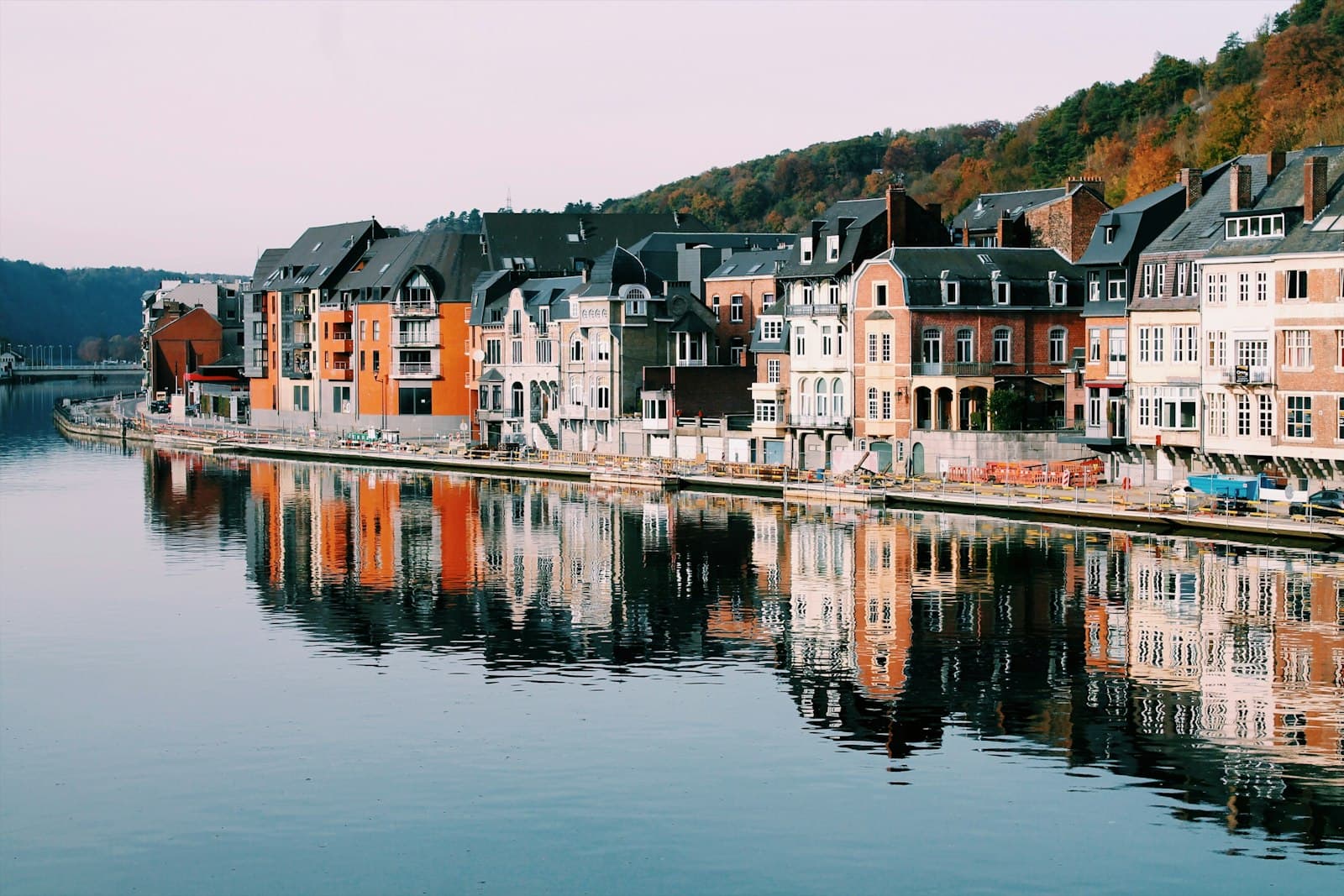
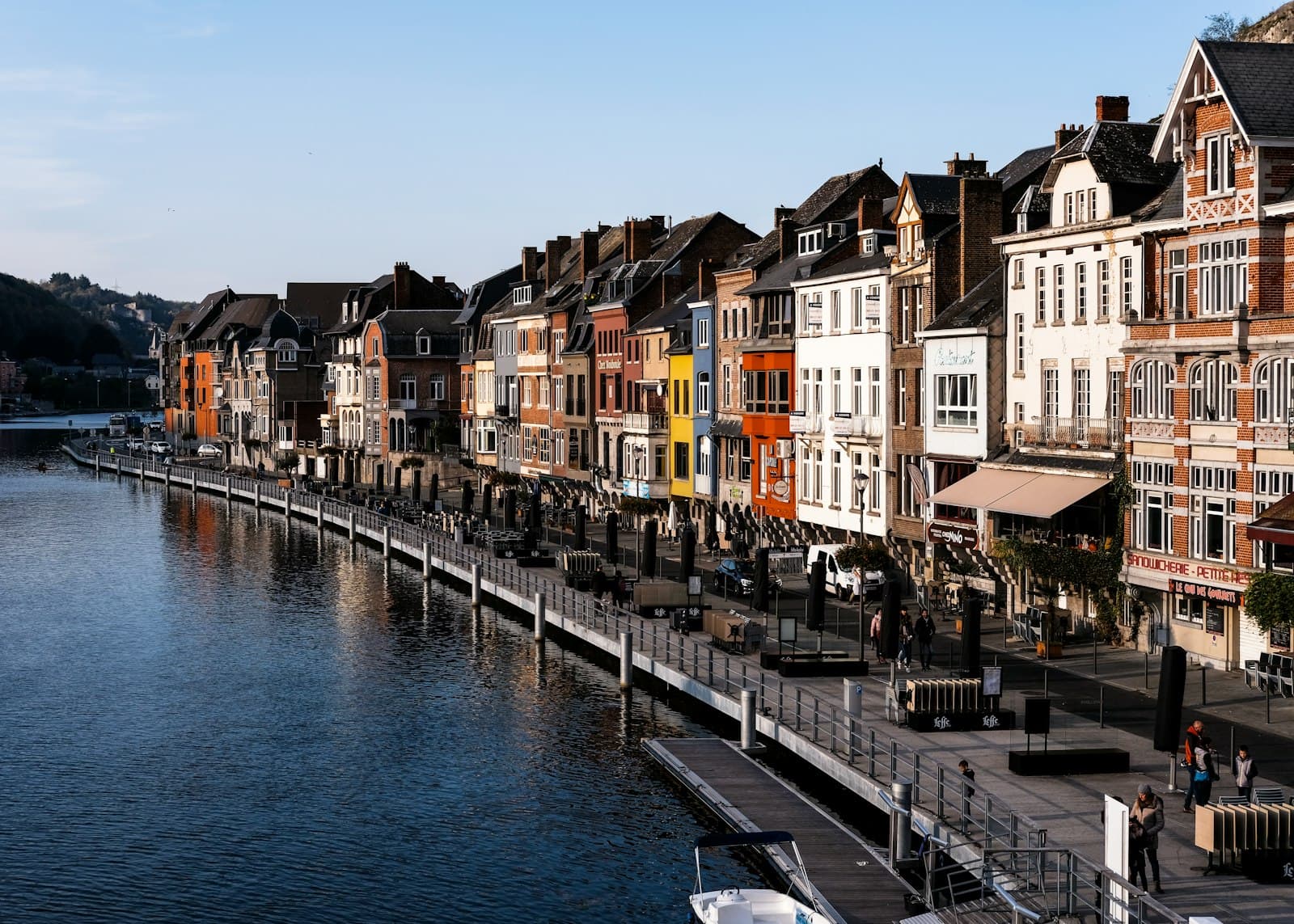
Tu tour de audioguía por Bouillon te espera — elige tus lugares, tu idioma y empieza al llegar.
ComprarLume incluye una guía de realidad aumentada. Levanta el móvil y su cámara muestra la calle que tienes delante, con una flecha luminosa sobre la imagen real que siempre apunta a tu próxima parada — sin mapas que descifrar, sin giros equivocados. Como todo en Lume, funciona completamente sin conexión.
Bouillon, una ciudad en las Ardenas belgas, es un lugar donde la historia y la naturaleza convergen, ofreciendo una atractiva mezcla de herencia medieval y aventura al aire libre. Situada en un dramático meandro del río Semois, la ciudad se define por su imponente castillo medieval, una fortaleza con raíces que se remontan al siglo X. Este pintoresco entorno, con sus sinuosas callejuelas, puentes de piedra y terrazas junto al río, crea una experiencia atmosférica para los visitantes.
Más allá de las piedras antiguas, Bouillon es un destino para aquellos que buscan un ritmo más lento y una conexión con el mundo natural. Las colinas boscosas circundantes y el serpenteante río Semois ofrecen amplias oportunidades para practicar senderismo, ciclismo y kayak. El centro compacto de la ciudad se explora fácilmente a pie, aunque su terreno montañoso significa que los zapatos cómodos son imprescindibles. Ya sea atraído por las historias de los cruzados o el encanto del paisaje de las Ardenas, Bouillon ofrece una escapada memorable.
Los orígenes del Castillo de Bouillon se remontan al siglo VIII, con la primera mención escrita que aparece en el año 988 d.C. El castillo fue la sede principal de la dinastía Ardennes-Bouillon en los siglos X y XI. Su propietario más famoso, Godofredo de Bouillon, heredó el castillo en 1082. En 1095, para financiar su participación como líder de la Primera Cruzada, Godofredo hipotecó el castillo a Otbert, el Príncipe-Obispo de Lieja. Después de la muerte de Godofredo en Jerusalén en 1100, el castillo pasó a ser propiedad plena del Príncipe-Obispado de Lieja, que lo mantuvo durante seis siglos.
A lo largo de los siglos, la ubicación estratégica de Bouillon la convirtió en un sitio disputado, cambiando de manos numerosas veces. En 1678, durante la Guerra Franco-Holandesa, el ejército francés capturó el Ducado de Bouillon, y este fue entregado a la familia La Tour d'Auvergne. El arquitecto militar de Luis XIV, Vauban, fortificó fuertemente el castillo a finales del siglo XVII, convirtiéndolo en uno de los castillos medievales más notables de Bélgica. El ducado permaneció en la línea La Tour d'Auvergne hasta 1794, cuando Bouillon se declaró república, un estado cliente francés de corta duración. Fue anexado por Francia al año siguiente. Tras la derrota de Napoleón, Bouillon fue entregado a los Países Bajos en 1815. Después de la Revolución Belga en 1830, Bouillon pasó a formar parte de Bélgica.
La pieza central indiscutible de Bouillon es su castillo medieval, un extenso complejo de torres, murallas y pasajes subterráneos. Los visitantes pueden explorar las almenas, mazmorras y la Sala de Justicia, obteniendo una visión de la vida medieval. Durante la temporada alta, el castillo alberga exhibiciones de cetrería, mostrando aves rapaces contra el telón de fondo histórico. Los recorridos nocturnos con antorchas ofrecen una perspectiva diferente de la fortaleza.
Más allá del castillo, el Archéoscope Godefroid de Bouillon, ubicado en un convento del siglo XVII, ofrece presentaciones audiovisuales que reconstruyen la vida de Godofredo de Bouillon y la Primera Cruzada. El Museo Ducal ofrece una mirada más profunda a la herencia local, el arte y la arqueología. Para disfrutar de amplias vistas de la ciudad y el río Semois, se recomienda encarecidamente una subida al Belvédère de Bouillon o al Tombeau du Géant (Tumba del Gigante). La ciudad misma invita a paseos tranquilos por la orilla, con cafés y tiendas, y restos de murallas defensivas del siglo XVII.
Bouillon es un destino para todo el año, cada estación ofrece un encanto distinto. Para actividades de clima cálido como senderismo, ciclismo y kayak, de finales de junio a finales de agosto es ideal, con máximas diarias promedio alrededor de 21°C (70°F). La primavera (abril-junio) es excelente para hacer senderismo y evitar las multitudes de la temporada alta, mientras que el otoño (septiembre-octubre) trae un hermoso follaje a los bosques circundantes. El invierno ofrece una experiencia más tranquila y serena, con temperaturas frías y oportunidades para el esquí de fondo.
A Bouillon se accede más fácilmente en coche, con pintorescos trayectos por las Ardenas. Está aproximadamente a 1,5 horas de Namur y a 2 horas de Bruselas. Para quienes utilizan el transporte público, la estación de tren más cercana es Libramont, a unos 30 km, con autobuses TEC de conexión a Bouillon, aunque el servicio puede ser limitado los domingos y festivos. El centro de la ciudad es compacto y transitable a pie, pero prepárese para las colinas. Considere comprar un Bouillon City Pass, que ofrece entrada combinada al castillo, Archéoscope y Museo Ducal, con opciones que incluyen un espectáculo de luz y sonido. No se permiten perros dentro de los terrenos del castillo debido a las exhibiciones de cetrería.
Bouillon en coreano, en chino o en hebreo — y 29 idiomas más, cada parada narrada por una voz nativa. La mayor variedad de idiomas de cualquier audioguía autoguiada.
Disponible en: