Plaza de España
Cette place centrale, aujourd'hui un lieu de rassemblement paisible, a autrefois servi un but bien plus sombre.
L'histoire complète se débloque dans le tour
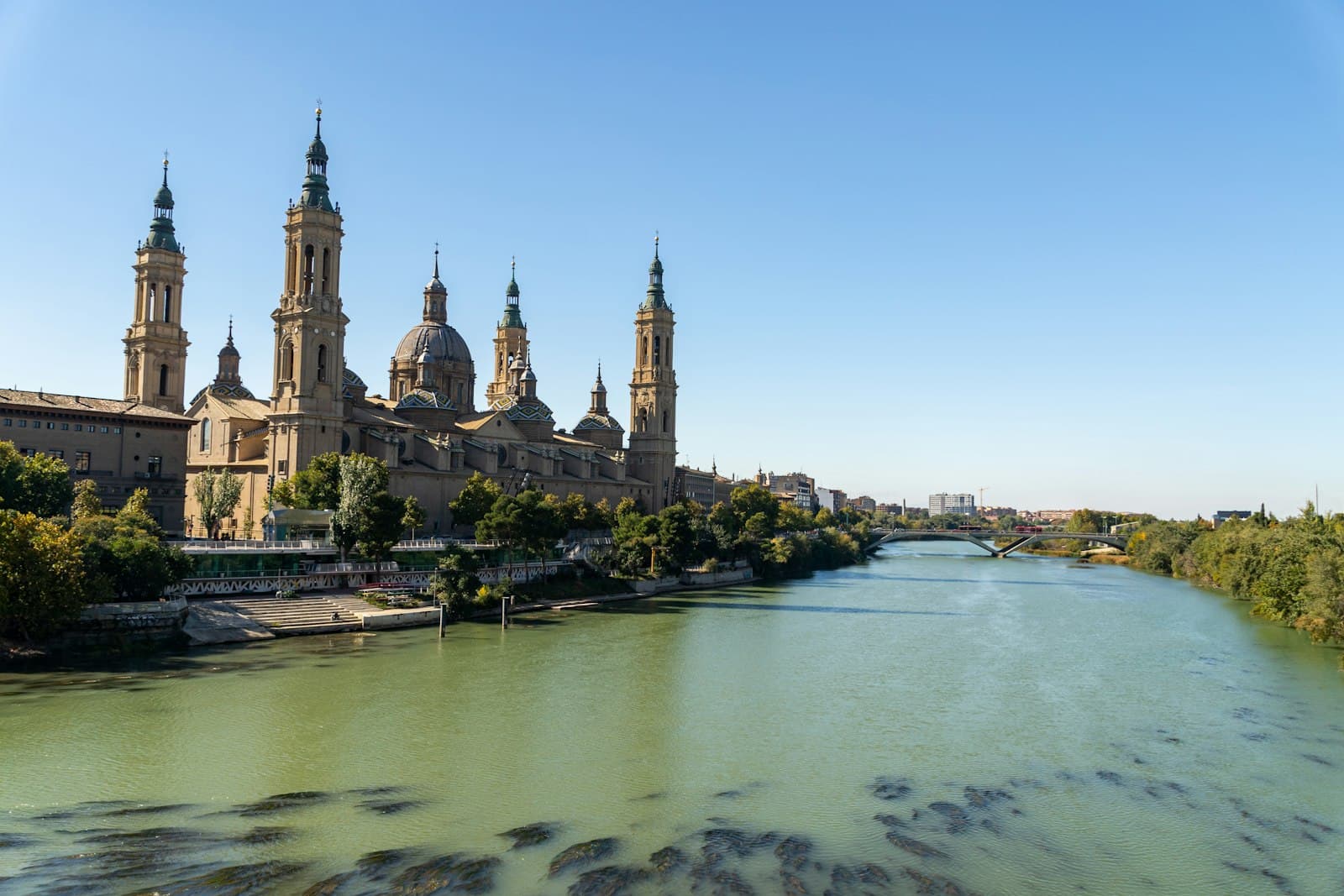 Photo: David Vives / Unsplash
Visite audio autoguidée de Calaceite — parcours GPS à pied, lecture hors ligne, narration en 32 langues.
“Là où les pierres anciennes racontent les époques des oliveraies et des âmes artistiques.”
Pas les cartes postales. Les histoires que même les habitants ignorent — soufflées à l'oreille, là où elles se sont passées.
Cette place centrale, aujourd'hui un lieu de rassemblement paisible, a autrefois servi un but bien plus sombre.
Avant la plomberie moderne, la ville disposait d'un système ingénieux pour l'eau, qui soutenait également une industrie inattendue.
Promenez-vous le long de la Calle Maella, et vous pourriez remarquer quelque chose d'inhabituel sur la partie supérieure de certaines portes.
Découvrez tous les secrets de Calaceite
Chaque adresse, chaque révélation en entier — dans ton oreille, là où elle s'est passée.
Tu choisis tes lieux. Tu marches. La voix te révèle ce que les autres ignorent.
Votre visite audioguidée de Calaceite vous attend — choisissez vos lieux, votre langue, et lancez-vous dès votre arrivée.
AcheterLume intègre un guide en réalité augmentée. Levez votre téléphone : sa caméra montre la rue devant vous, avec une flèche lumineuse posée sur l'image réelle qui pointe toujours vers votre prochain arrêt — aucune carte à déchiffrer, aucun mauvais virage. Comme tout dans Lume, ça fonctionne entièrement hors-ligne.
Calaceite, une ville captivante de la comarque du Matarraña à Teruel, Aragon, Espagne, invite les visiteurs à remonter le temps. Située sur une colline entre les rivières Matarraña et Algás, son centre urbain est reconnu comme Site Historique-Artistique depuis 1973 et fait partie du réseau des «Plus Beaux Villages d'Espagne». L'architecture de la ville, caractérisée par des maisons en pierre, des rues anciennes et des balcons en fer forgé, reflète son passé significatif et offre une expérience pittoresque.
Souvent appelée la capitale culturelle du Matarraña, Calaceite a longtemps attiré artistes, écrivains et universitaires en quête d'inspiration grâce à sa lumière unique et son atmosphère tranquille. L'attrait durable de la ville réside dans sa capacité à mêler la préservation historique à un esprit culturel vivant, faisant de chaque promenade une rencontre avec des siècles de patrimoine. Son passé profond est palpable, des anciennes colonies ibériques aux monuments religieux baroques.
L'histoire de Calaceite remonte à la préhistoire, avec les premières colonies humaines attirées par l'abondance de la chasse et de la pêche dans la région, laissant derrière elles des peintures rupestres et des constructions funéraires. Plus tard, des civilisations telles que les Romains et les Arabes ont habité ce territoire fertile. Les premières archives documentées de Calaceite datent de 1180, après la reconquête chrétienne de la région par les Chevaliers de Calatrava, un ordre militaire.
La splendeur architecturale de la ville témoigne de son importance passée, particulièrement aux XVe et XVIe siècles, coïncidant avec l'apogée de l'empire espagnol. À cette époque, l'exportation d'huile d'olive de haute qualité était le principal moteur économique de Calaceite. La ville était autrefois fortifiée de murs, et des vestiges de ces défenses peuvent encore être observés intégrés dans les maisons en pierre aujourd'hui. Les toits de nombreux bâtiments anciens présentent des tuiles arabes, un clin d'œil aux influences historiques de la ville et à l'ancienne «Rue des Tejerias» où elles étaient fabriquées.
Calaceite a continué à prospérer, avec de nombreux bâtiments du XVIIIe siècle encore conservés. L'église paroissiale de La Asunción, une structure baroque des XVIIe-XVIIIe siècles, se dresse sur le site d'une ancienne église gothique et présente une magnifique façade. L'hôtel de ville de style Renaissance, construit en 1609, illustre davantage les prouesses architecturales historiques de la ville. Le site archéologique de San Antonio offre un aperçu plus approfondi du passé de la région, avec des artefacts du Ve siècle av. J.-C. découverts, montrant deux phases de développement ibérique.
Commencez votre exploration sur la Plaza de España, également connue sous le nom de Plaza Mayor ou Plaza del Sitjar, le cœur de Calaceite. Cette place du XIVe siècle est encadrée d'arcades et abrite l'Hôtel de Ville de style Renaissance, construit en 1609. De là, flânez dans le vieux quartier, en particulier la Calle Mayor et la Calle Maella, où des bâtiments majestueux avec des balcons en fer forgé et des blasons nobles bordent les rues anciennes.
Visitez l'impressionnante Église paroissiale de La Asunción, une structure baroque des XVIIe-XVIIIe siècles, remarquable par sa grande façade et ses trois nefs. Découvrez le Musée Juan Cabré, dédié à l'archéologue renommé né à Calaceite, qui abrite des collections sur sa vie, l'art contemporain et l'ethnologie. Cherchez les portes subsistantes des murs défensifs originaux de la ville, comme le Portal de Orta, qui présente une chapelle baroque dédiée à Saint Antoine de Padoue au-dessus. Un autre de ces portails est la Chapelle d'El Pilar à l'extrémité de la Calle Maella, une chapelle baroque du XVIIIe siècle construite sur une ancienne porte. Ne manquez pas la Plaza de los Artistas, une place aménagée en 1999 en hommage aux artistes et intellectuels qui ont trouvé l'inspiration à Calaceite.
Les meilleurs moments pour visiter Calaceite sont au printemps (mars, avril, mai, juin) et à l'automne (septembre, octobre) lorsque le temps est agréablement doux, avec des températures généralement comprises entre 19°C et 30°C. Ces saisons sont idéales pour les activités de plein air et les visites touristiques, offrant des fleurs épanouies au printemps et un feuillage éclatant et des récoltes locales à l'automne. Bien que l'été puisse être chaud, les soirées sont généralement plus fraîches, parfaites pour les repas en plein air et les promenades. L'hiver offre une atmosphère sereine et paisible pour découvrir la beauté de la ville.
Calaceite est située dans la comarque du Matarraña à Teruel, Aragon, Espagne. L'espagnol est la langue principale parlée, mais la ville fait également partie de la zone catalanophone d'Aragon, donc apprendre quelques phrases de base en espagnol peut améliorer vos interactions. Des chaussures de marche confortables sont essentielles pour naviguer dans les rues anciennes et les sentiers de randonnée que vous pourriez explorer. Pendant les mois les plus chauds, des vêtements légers et une protection solaire sont recommandés, tandis que des couches sont conseillées pour les saisons plus fraîches. Envisagez une bouteille d'eau réutilisable pour rester hydraté. La ville a un rythme détendu, alors prévoyez des explorations spontanées et des conversations avec les habitants. Calaceite dispose d'une aire de camping-car avec eau potable, vidange des eaux grises et vidange des eaux usées.
Calaceite en coréen, en chinois ou en hébreu — et dans 29 autres langues, chaque étape narrée par une voix native. La plus large gamme de langues de tous les audioguides autoguidés.
Disponible en :