Castillo de Valderrobres
El castillo de Valderrobres ha acogido a la realeza, pero la estancia de un rey fue particularmente larga y notable.
La historia completa se desbloquea en el tour
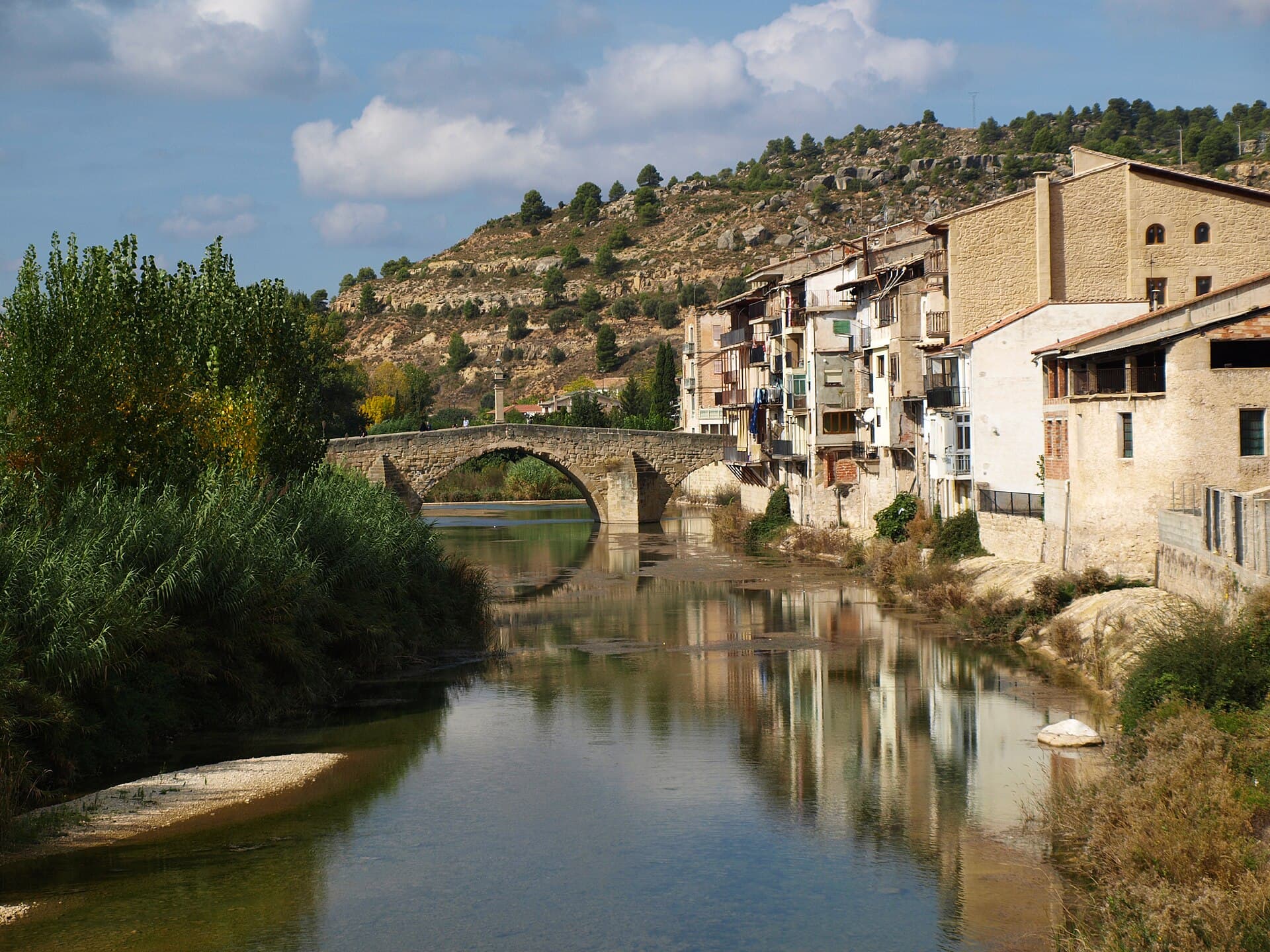 Olisacu / CC BY-SA 4.0, via Wikimedia Commons
Tour de audio autoguiado de Valderrobres — ruta GPS a pie, reproducción offline, narración en 32 idiomas.
“Donde los puentes medievales de piedra conducen a maravillas góticas y visitas reales olvidadas.”
No las postales. Las historias que ni los locales conocen — al oído, justo donde ocurrieron.
El castillo de Valderrobres ha acogido a la realeza, pero la estancia de un rey fue particularmente larga y notable.
Observe de cerca las gárgolas de la Iglesia de Santa María la Mayor; algunas de sus caras cuentan una historia sorprendente.
El Ayuntamiento de Valderrobres es un edificio renacentista, pero guarda un secreto de un período mucho más oscuro dentro de sus muros.
Descubre todos los secretos de Valderrobres
Cada dirección, cada revelación al completo — a tu oído, justo donde ocurrió.
Eliges tus paradas. Caminas. La voz te revela lo que los demás ignoran.


Lume incluye una guía de realidad aumentada. Levanta el móvil y su cámara muestra la calle que tienes delante, con una flecha luminosa sobre la imagen real que siempre apunta a tu próxima parada — sin mapas que descifrar, sin giros equivocados. Como todo en Lume, funciona completamente sin conexión.
Valderrobres, una localidad medieval en la provincia de Teruel, Aragón, se erige como un testimonio de siglos de historia grabados en piedra. Su dramática silueta, coronada por un castillo y una iglesia góticos, se alza sobre el río Matarraña. A menudo descrito como un 'pueblo de cuento de hadas', Valderrobres es miembro de la red 'Los Pueblos Más Bonitos de España'.
La entrada a la localidad está marcada por un impresionante puente medieval de piedra, que conduce a través del Portal de San Roque a un laberinto de calles estrechas y sinuosas. Valderrobres sirve como capital administrativa de la comarca del Matarraña, una zona a veces conocida como la 'Toscana española' debido a sus colinas onduladas y paisajes pintorescos. Con una población de aproximadamente 2.555 habitantes, la localidad ofrece una mezcla de exploración histórica y belleza natural.
## De Puesto de Avanzada de la Reconquista a Sede Arzobispal La historia documentada de Valderrobres se remonta a finales del siglo XII, surgiendo como una torre defensiva durante la Reconquista. La importancia estratégica de la localidad creció, y en 1307, el Arzobispo de Zaragoza se convirtió en su señor feudal. Esto marcó un período crucial, ya que el Arzobispado impulsó la construcción de un Valderrobres más monumental, comenzando con la Iglesia gótica de Santa María y la fase inicial del castillo.
La construcción de la iglesia gótica comenzó alrededor de 1314, aunque fue interrumpida por la Peste Negra en 1348. Las obras se reanudaron en 1390 bajo el Arzobispo García Fernández de Heredia, quien amplió la iglesia y planificó un campanario. Su asesinato en 1411 detuvo el progreso, pero el Papa Benedicto XIII envió más tarde esclavos sarracenos para continuar el trabajo. La iglesia fue finalmente completada en la década de 1430 bajo el Arzobispo Dalmau de Mur.
El castillo, inicialmente una torre defensiva, fue transformado en palacio por el Arzobispo García Fernández de Heredia en 1390, sirviendo como residencia para él y otros señores visitantes. Dalmau de Mur contribuyó aún más al desarrollo del castillo, completando sus salas superiores y el muro de la plaza de armas. El siglo XVI vio la construcción del Ayuntamiento sobre el último tramo del puente medieval, alterando su apariencia al conectarse con la plaza principal. Las antiguas puertas de la ciudad, como el Portal de San Roque y la Puerta de Bergós, datan de los siglos XIII y XIV, ofreciendo atisbos de su pasado fortificado.
A lo largo de los siglos, el castillo experimentó períodos de desuso y deterioro, particularmente después de convertirse en propiedad estatal en el siglo XIX. Sin embargo, los esfuerzos de restauración comenzaron en la década de 1980, permitiendo que el castillo recuperara su antigua apariencia y se convirtiera en un espacio cultural para exposiciones, conferencias y actuaciones musicales. Valderrobres fue declarado Conjunto Histórico, preservando su arquitectura y patrimonio medieval.
El viaje a Valderrobres comienza cruzando el puente medieval de piedra sobre el río Matarraña, que conduce al Portal de San Roque, una de las puertas mejor conservadas del antiguo recinto amurallado. Esta entrada se abre a la Plaza de España, donde se alza el Ayuntamiento renacentista del siglo XVI, Monumento Nacional, con su galería aragonesa de arcos de medio punto.
Serpenteando por las calles, los visitantes ascienden hacia el punto más alto de la localidad, donde el Castillo de Valderrobres del siglo XIV y la Iglesia de Santa María la Mayor forman un impresionante conjunto gótico. El castillo, antigua fortaleza defensiva y posteriormente palacio de los arzobispos, ahora alberga eventos culturales y ofrece amplias vistas de la ciudad y el río. La Iglesia de Santa María la Mayor, un ejemplo de arquitectura gótica levantina, presenta un magnífico rosetón y está conectada al castillo por un pasaje. Más allá de los principales monumentos, explore los callejones medievales, descubra casas nobles y busque la Puerta de Bergós.
Para los amantes de la naturaleza, la comarca del Matarraña ofrece oportunidades para practicar senderismo, observar aves en el Observatorio de aves Mas de Bunyol y explorar áreas naturales como la cascada de El Salt, la presa de Pena y El Parrizal.
Las mejores épocas para visitar Valderrobres son primavera (marzo a mayo) y otoño, cuando el clima es agradablemente templado y hay menos multitudes. La primavera también trae festivales locales, ofreciendo la oportunidad de experimentar la cultura de la ciudad. El verano (junio a agosto) es adecuado para actividades al aire libre, con temperaturas más cálidas, aunque también es la época más calurosa del año. Los inviernos son largos y fríos. Para apreciar plenamente la tranquilidad de la ciudad, considere visitarla entre semana.
Valderrobres es una ciudad transitable a pie, lo que facilita su exploración. Sin embargo, para aventurarse en la región más amplia del Matarraña, se recomienda un coche debido al transporte público limitado. Los aeropuertos internacionales más cercanos son Barcelona y Valencia. Desde Barcelona, el transporte público (tren a Tortosa, luego autobús a Valderrobres) puede tardar alrededor de 4,5 horas, mientras que conducir reduce el tiempo de viaje a tres horas. El dialecto local es una variante occidental del catalán, cercana al valenciano, pero aprender algunas frases básicas en español mejorará las interacciones. Tenga en cuenta que muchas tiendas y restaurantes pueden cerrar para la siesta por la tarde. La oficina de turismo se encuentra en la parte nueva de la ciudad. La moneda utilizada es el Euro.
Valderrobres en coreano, en chino o en hebreo — y 29 idiomas más, cada parada narrada por una voz nativa. La mayor variedad de idiomas de cualquier audioguía autoguiada.
Disponible en: