Los Cabos de Knysna
Los imponentes acantilados de arenisca que enmarcan la entrada a la laguna de Knysna guardan un secreto sobre el ingenio humano ancestral.
La historia completa se desbloquea en el tour
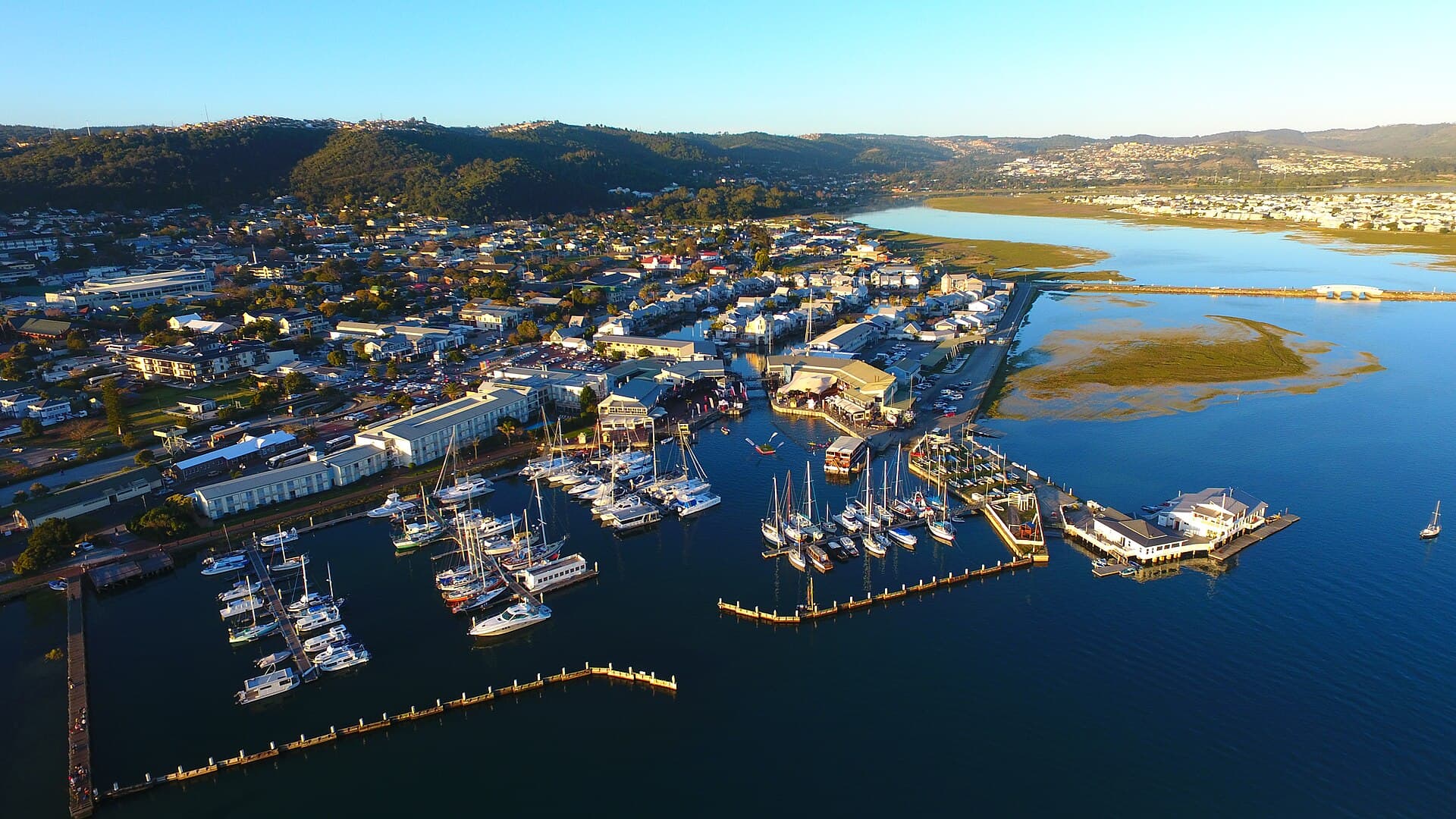 Terence27 / CC BY-SA 4.0, via Wikimedia Commons
Tour de audio autoguiado de Knysna — ruta GPS a pie, reproducción offline, narración en 32 idiomas.
“Donde los bosques milenarios se encuentran con una laguna resplandeciente, custodiada por imponentes centinelas de arenisca.”
No las postales. Las historias que ni los locales conocen — al oído, justo donde ocurrieron.
Los imponentes acantilados de arenisca que enmarcan la entrada a la laguna de Knysna guardan un secreto sobre el ingenio humano ancestral.
A pesar de su nombre y reputación, las ostras que son el centro del festival más famoso de Knysna ya no provienen de la propia laguna.
El vasto Bosque de Knysna, que una vez fue hogar de cientos de elefantes, ahora alberga una verdad mucho más esquiva sobre estas magníficas criaturas.
Descubre todos los secretos de Knysna
Cada dirección, cada revelación al completo — a tu oído, justo donde ocurrió.
Eliges tus paradas. Caminas. La voz te revela lo que los demás ignoran.


Tu tour de audioguía por Knysna te espera — elige tus lugares, tu idioma y empieza al llegar.
ComprarLume incluye una guía de realidad aumentada. Levanta el móvil y su cámara muestra la calle que tienes delante, con una flecha luminosa sobre la imagen real que siempre apunta a tu próxima parada — sin mapas que descifrar, sin giros equivocados. Como todo en Lume, funciona completamente sin conexión.
Knysna, una ciudad costera en la Ruta Jardín de Sudáfrica, ofrece una mezcla única de esplendor natural y una atmósfera relajada. Se asienta a orillas de un estuario de agua cálida de 11 kilómetros de largo, la laguna de Knysna, abrazada por las montañas Outeniqua y el Océano Índico. Este paisaje verde está rodeado de profundos bosques autóctonos y dramáticamente protegido por los icónicos Cabos de Knysna, impresionantes acantilados de arenisca que marcan la desembocadura de la laguna.
A menudo llamada 'La ciudad favorita de Sudáfrica', Knysna es un destino popular durante todo el año, invitando a la exploración de sus diversos paisajes. Desde tranquilos cruceros por la laguna hasta vigorizantes caminatas por el bosque, la ciudad ofrece un escape pacífico con un espíritu acogedor. Sus calles peatonales, bordeadas de boutiques y cafeterías, ofrecen un ritmo suave que la distingue de otras zonas costeras más bulliciosas.
La historia de Knysna se remonta mucho antes del asentamiento europeo, con evidencia de ocupación humana que data de más de 300.000 años. Alrededor de cuarenta huellas de homínidos fosilizadas, de aproximadamente 90.000 años de antigüedad, han sido descubiertas en la zona, indicando una presencia humana de larga data. El pueblo indígena Khoikhoi fueron los habitantes originales de estas tierras, y se cree que el nombre de la ciudad es de origen Khoikhoi, posiblemente significando 'helechos' o 'lugar de madera', reflejando las prominentes características naturales de la zona.
El asentamiento europeo comenzó en 1770 cuando a Stephanus Terblans se le concedió un permiso de préstamo para cultivar la zona, abarcando toda la cuenca de la laguna de Knysna y los Cabos. Sin embargo, fue George Rex, un empresario de origen británico, quien dio forma significativa a la Knysna moderna. Se dice que fue el hijo ilegítimo del rey Jorge III, Rex adquirió la granja Melkhoutkraal en 1804 y desarrolló la laguna en un puerto bullicioso para el floreciente comercio de madera. Los bosques indígenas, que constituyen el 90% de la tierra forestal indígena de Sudáfrica, eran un recurso crucial, y la madera de los árboles yellowwood, stinkwood y blackwood se enviaba a través del puerto.
La población de Knysna experimentó un aumento sustancial en 1885 con el descubrimiento de oro aluvial en Jubilee Creek, lo que llevó a una fiebre del oro de corta duración. Aunque el oro finalmente se agotó, los campos de oro de Millwood todavía se pueden visitar hoy. Los asentamientos de Melville y Newhaven se fusionaron oficialmente en 1882 para formar el municipio de 'The Knysna'. La llegada de la familia noruega Thesen en 1869 impulsó aún más el desarrollo industrial, estableciendo un aserradero de vapor y un astillero que contribuyeron a la prosperidad de la ciudad. Hoy en día, la Casa Millwood, trasladada de su ubicación minera original, sirve como museo, conservando artefactos e historias del pasado de Knysna.
El Bosque de Knysna fue una vez hogar de sustanciales manadas de elefantes de sabana africanos. Los registros históricos indican que cientos de elefantes deambulaban por el fynbos, los bosques y las playas de la región del Cabo meridional. Sin embargo, la caza implacable, incluida una notable expedición del Príncipe Alfredo, Duque de Edimburgo en 1867, redujo drásticamente sus números. Para 1910, solo quedaban 40-50 elefantes, disminuyendo a tan solo cuatro a siete individuos para 1950. La infame caza del Mayor Pretorius a principios del siglo XX diezmó aún más la población restante.
A pesar del declive, la leyenda de los elefantes de Knysna persistió. En 1994, se fundó el Parque de Elefantes de Knysna para proporcionar un hogar a los elefantes rescatados y para crear conciencia sobre su difícil situación. Aunque los elefantes salvajes de Knysna rara vez se ven, con la población que se cree que se redujo a una sola hembra adulta en 2019, su historia sigue siendo una parte conmovedora del misticismo del bosque. Los cuatro senderos de elefantes en el Bosque de Diepwalle sirven como un recordatorio de una época en que estas majestuosas criaturas deambulaban libremente por la región.
Knysna ofrece una variedad de atracciones, desde maravillas naturales hasta experiencias culturales. Los más icónicos son los Cabos de Knysna, dos colosales promontorios de arenisca que custodian la entrada a la laguna, ofreciendo vistas panorámicas del estuario y el Océano Índico. El Cabo Oriental ofrece un mirador, mientras que el Cabo Occidental alberga la Reserva Natural Featherbed, accesible en ferry para caminatas guiadas y excursiones en jeep.
La Laguna de Knysna en sí misma es una característica central, ideal para cruceros en barco, kayak y paddleboard, con oportunidades para avistar el caballito de mar de Knysna, en peligro de extinción. Para los entusiastas de la naturaleza, el Bosque de Knysna es un lugar gratificante para visitar, con antiguos árboles yellowwood y numerosos senderos para caminatas y ciclismo. Esté atento al escurridizo turaco de Knysna (lourie) y otra fauna del bosque.
Explore las Islas Thesen, una colección de islas artificiales unidas por puentes, que ofrecen un paisaje arquitectónico único con restaurantes y tiendas. Para echar un vistazo al pasado, el Museo Millwood muestra la historia de la minería de oro de la ciudad. No pierda la oportunidad de probar las famosas ostras de Knysna en el Waterfront de Knysna, una zona animada con cafeterías, restaurantes y tiendas de curiosidades.
Para una escapada tranquila, visite Leisure Isle, un barrio tranquilo dentro de la laguna conocido por sus paseos y aves. Las cercanas Playa Brenton y Bollard Bay ofrecen lugares pintorescos para relajarse y disfrutar de las vistas costeras. El Parque de Elefantes de Knysna brinda la oportunidad de interactuar con elefantes rescatados.
Knysna mantiene un clima templado, lo que la convierte en un destino adecuado para visitas durante todo el año. Los veranos, de noviembre a febrero, traen calor, con temperaturas que alcanzan los 30 grados Celsius, perfectos para días de playa. El invierno, de junio a agosto, es conocido como la 'temporada secreta' de Knysna, ofreciendo temperaturas moderadas y días frescos y claros. El Festival de la Ostra de Knysna, un evento significativo con deportes, comida y actividades culturales, se celebra anualmente en junio/julio, atrayendo a muchos visitantes. La primavera, de septiembre a octubre, y el otoño, de marzo a mayo, ofrecen temperaturas agradables en los 20 grados Celsius. La época más húmeda del año suele ser de octubre a noviembre.
La moneda utilizada en Knysna es el Rand sudafricano (ZAR). Las principales tarjetas de crédito como Visa y Mastercard son ampliamente aceptadas, siendo American Express menos común. La propina es habitual en restaurantes y cafeterías, con un mínimo del 10% de la cuenta generalmente esperado por un buen servicio.
Moverse por Knysna es relativamente fácil. El centro de la ciudad es transitable a pie, lo que le permite explorar mercados locales, cafeterías y tiendas a pie. Para llegar a playas o senderos forestales fuera del centro inmediato, hay minibuses locales o servicios de transporte compartido disponibles. Si planea explorar la Ruta Jardín más amplia, alquilar un coche es una buena opción; recuerde verificar si su vehículo requiere diésel o gasolina sin plomo, ambos ampliamente disponibles en las estaciones de servicio.
Al empacar, prepárese para las condiciones climáticas cambiantes, incluso en días cálidos, vistiéndose en capas y llevando una chaqueta. El sol africano es fuerte, así que siempre tenga protector solar y agua a mano. Knysna ofrece una variedad de alojamientos, desde hostales y casas de huéspedes hasta hoteles boutique y opciones de autoservicio.
Knysna en coreano, en chino o en hebreo — y 29 idiomas más, cada parada narrada por una voz nativa. La mayor variedad de idiomas de cualquier audioguía autoguiada.
Disponible en: