Roca Paarl
Las colosales cúpulas de granito de la Montaña Paarl son más que un impresionante telón de fondo.
La historia completa se desbloquea en el tour
 Dingy / CC BY-SA 3.0, via Wikimedia Commons
Tour de audio autoguiado de Paarl — ruta GPS a pie, reproducción offline, narración en 32 idiomas.
“Donde los hombros de granito se encuentran con viñedos fructíferos: Paarl, una presencia radiante en las Tierras del Vino del Cabo.”
No las postales. Las historias que ni los locales conocen — al oído, justo donde ocurrieron.
Las colosales cúpulas de granito de la Montaña Paarl son más que un impresionante telón de fondo.
Los últimos pasos de Nelson Mandela hacia la liberación comenzaron en Paarl.
Esta vía no es meramente una calle; es un pasaje a través de épocas y estilos arquitectónicos.
Descubre todos los secretos de Paarl
Cada dirección, cada revelación al completo — a tu oído, justo donde ocurrió.
Eliges tus paradas. Caminas. La voz te revela lo que los demás ignoran.


Tu tour de audioguía por Paarl te espera — elige tus lugares, tu idioma y empieza al llegar.
ComprarLume incluye una guía de realidad aumentada. Levanta el móvil y su cámara muestra la calle que tienes delante, con una flecha luminosa sobre la imagen real que siempre apunta a tu próxima parada — sin mapas que descifrar, sin giros equivocados. Como todo en Lume, funciona completamente sin conexión.
Paarl, una de las ciudades más venerables de Sudáfrica, sirve como piedra angular de las célebres Tierras del Vino del Cabo Occidental. Situada aproximadamente a 60 kilómetros al noreste de Ciudad del Cabo, esta ciudad es estimada por su atractivo entorno natural y sus profundas raíces en la viticultura y el cultivo de frutas. El paisaje está dominado por los inmensos afloramientos de granito de la Montaña Paarl, que brillan como perlas después de la lluvia, prestando así a la ciudad su evocador nombre.
Más allá de su esplendor natural y destreza agrícola, Paarl posee un considerable peso cultural como el lugar donde el afrikáans se convirtió por primera vez en un idioma escrito. Los visitantes pueden pasear por una rica crónica del pasado, desde las elegantes líneas de la arquitectura holandesa del Cabo hasta monumentos que honran el patrimonio lingüístico, todo ello rodeado de viñedos que producen vinos de clase mundial.
## Asentamiento Temprano y Nomenclatura La crónica de Paarl se remonta a 1657 cuando Abraham Gabbema, un explorador del Cabo, encontró las brillantes cúpulas de granito después de una lluvia. Las nombró Montañas 'Paarl' y 'Diamandt', holandés para 'perla' y 'diamante', inspirando el eventual nombre de la ciudad. Las granjas coloniales iniciales fueron otorgadas a 'burgueses libres' en 1687 por el gobernador Simon van der Stel. La llegada de los hugonotes franceses en 1688 moldeó aún más la región, ya que trajeron experiencia vitivinícola, estableciendo huertos, jardines de vegetales y, lo más significativo, viñedos. Esto marcó el génesis de la perdurable prominencia de Paarl como una importante zona productora de vino y frutas.
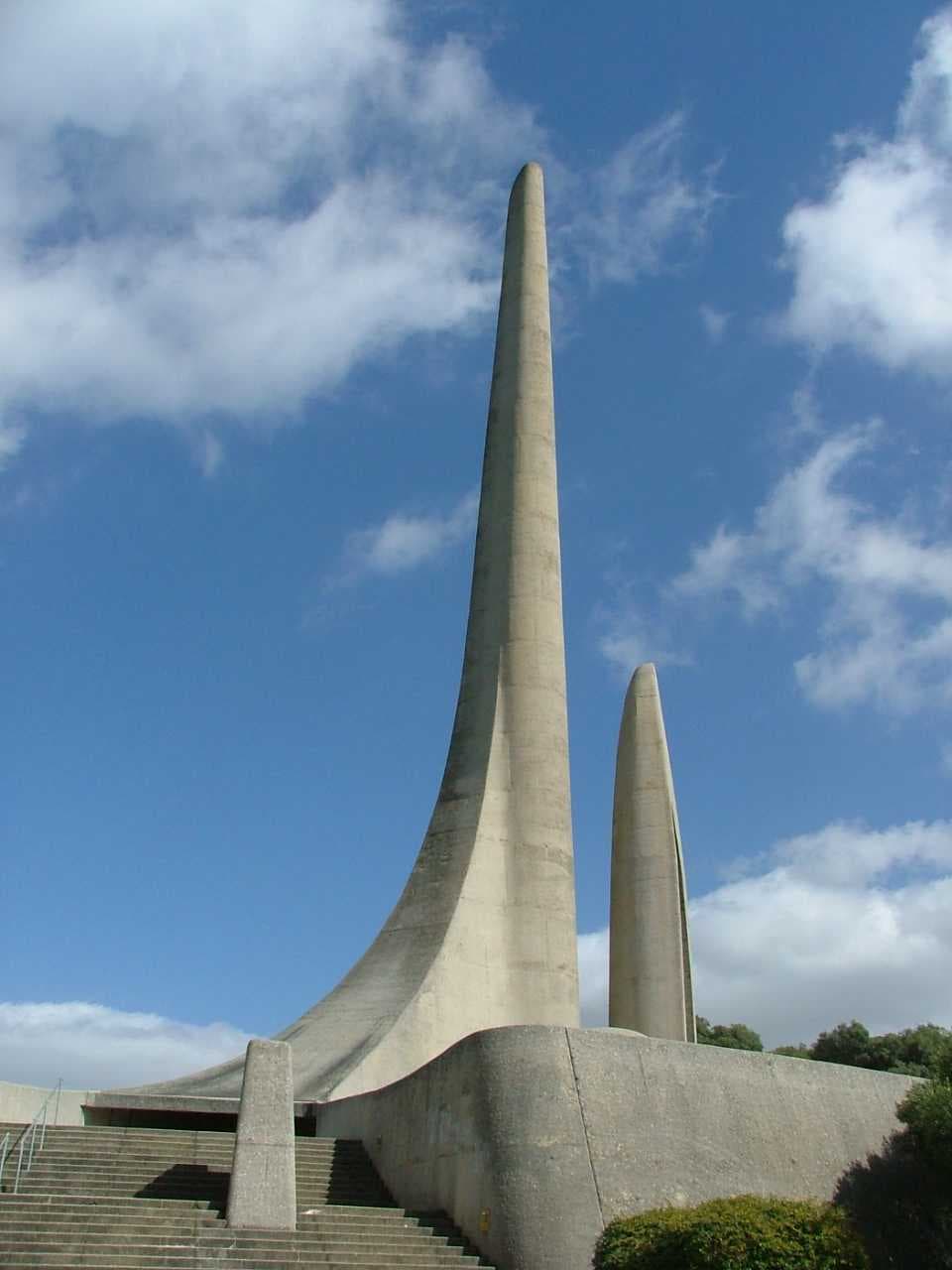
## El Génesis del Afrikáans Paarl jugó un papel central en la evolución del idioma afrikáans. En 1875, se formó una congregación, impulsada por el deseo de educación en su lengua materna. La 'Genootskap van Regte Afrikaners' (La Sociedad de Verdaderos Afrikáans) publicó por primera vez el idioma aquí en 1876, sentando las bases para el afrikáans como idioma escrito. Este logro es honrado por el Monumento al Idioma Afrikáans en las laderas de la Montaña Paarl, el Museo del Idioma y la Ruta del Idioma Afrikáans a través de Dal Josaphat.
## Crecimiento Económico y Significado Contemporáneo Paarl se convirtió en municipio en 1840, siendo la primera ciudad de Sudáfrica en establecer uno. La llegada del ferrocarril en 1859 impulsó aún más su prosperidad como centro agrícola. Más allá de la agricultura, Paarl desarrolló industrias especializadas, incluyendo obras de granito y la fabricación de carros y carretas del Cabo, que fueron vitales para el Gran Trek y la exploración del sur de África. Hoy en día, Paarl sigue siendo un centro importante para la industria vinícola sudafricana, con la Asociación Cooperativa de Viticultores (KWV) manteniendo su sede en la ciudad.
Comience su exploración en el Monumento al Idioma Afrikáans (Afrikaanse Taalmonument), una maravilla arquitectónica en la Montaña Paarl dedicada al idioma más joven del mundo. Desde este punto de vista, también encontrará vistas panorámicas del valle y la distante Montaña de la Mesa. Para una inmersión en la naturaleza, ascienda la Roca Paarl, un colosal afloramiento de granito que ofrece senderos para caminatas y ciclismo de montaña dentro de la Reserva Natural de la Montaña Paarl. La reserva también abarca el Jardín Botánico Meulwater, que exhibe fynbos y proteas indígenas.
Ninguna visita a Paarl está completa sin experimentar su célebre cultura del vino. La Ruta del Vino de Paarl, la segunda más antigua del país, presenta numerosas fincas vinícolas para degustaciones y recorridos, con un énfasis particular en Cabernet Sauvignon y Shiraz. Entre las fincas notables se encuentran Fairview Wine Estate, reconocida por su queso de cabra, y Nederburg Wines. Pasee por la arquitectura histórica de la ciudad a lo largo de su extensa Calle Principal, que exhibe edificios holandeses del Cabo, georgianos, victorianos y eduardianos. Justo más allá de la ciudad, el Centro Correccional Drakenstein (anteriormente Prisión Victor Verster) tiene importancia histórica como el lugar desde donde Nelson Mandela caminó hacia la libertad, conmemorado por una estatua de bronce.
Paarl experimenta un clima mediterráneo, caracterizado por veranos cálidos y secos e inviernos suaves y húmedos. El momento más oportuno para visitar para actividades de clima cálido y exploración de viñedos es desde principios de noviembre hasta mediados de abril, abarcando las estaciones de primavera y verano. Durante estos meses, las temperaturas suelen oscilar entre 21 y 34°C (70 y 93°F). La primavera (septiembre a noviembre) y el otoño (marzo a mayo) ofrecen un clima agradable con temperaturas suaves y paisajes verdes, ideales para actividades al aire libre y festivales. El invierno (junio a agosto) es más tranquilo y fresco, con temperaturas promedio alrededor de 15-18°C (59-64°F), adecuado para degustaciones de vino en interiores.
Paarl está aproximadamente a 60 kilómetros (37 millas) al noreste de Ciudad del Cabo, lo que lo hace fácilmente accesible para una excursión de un día o una estancia prolongada. La ruta recomendada desde Ciudad del Cabo es a través de la autopista N1, tomando la salida 55 directamente hacia la ciudad. Se recomienda un coche de alquiler para explorar Paarl y sus atracciones circundantes, ya que muchas bodegas y puntos de interés se encuentran fuera del centro de la ciudad. Si bien Paarl ofrece una variedad de alojamientos, desde lujosos lodges hasta cabañas con cocina, considere quedarse de 2 a 3 noches para absorber completamente la zona. El tráfico puede ser denso los viernes por la tarde (alrededor de la 1 PM - 2 PM) debido a la recogida escolar, y los primeros y últimos días de los fines de semana largos sudafricanos, así que planifique su viaje en consecuencia.
Paarl en coreano, en chino o en hebreo — y 29 idiomas más, cada parada narrada por una voz nativa. La mayor variedad de idiomas de cualquier audioguía autoguiada.
Disponible en: