Gympie Street
Once notorious, this street now tells a different story on its walls, but a curious detail reveals a lingering echo of its past.
Full story unlocks in the tour
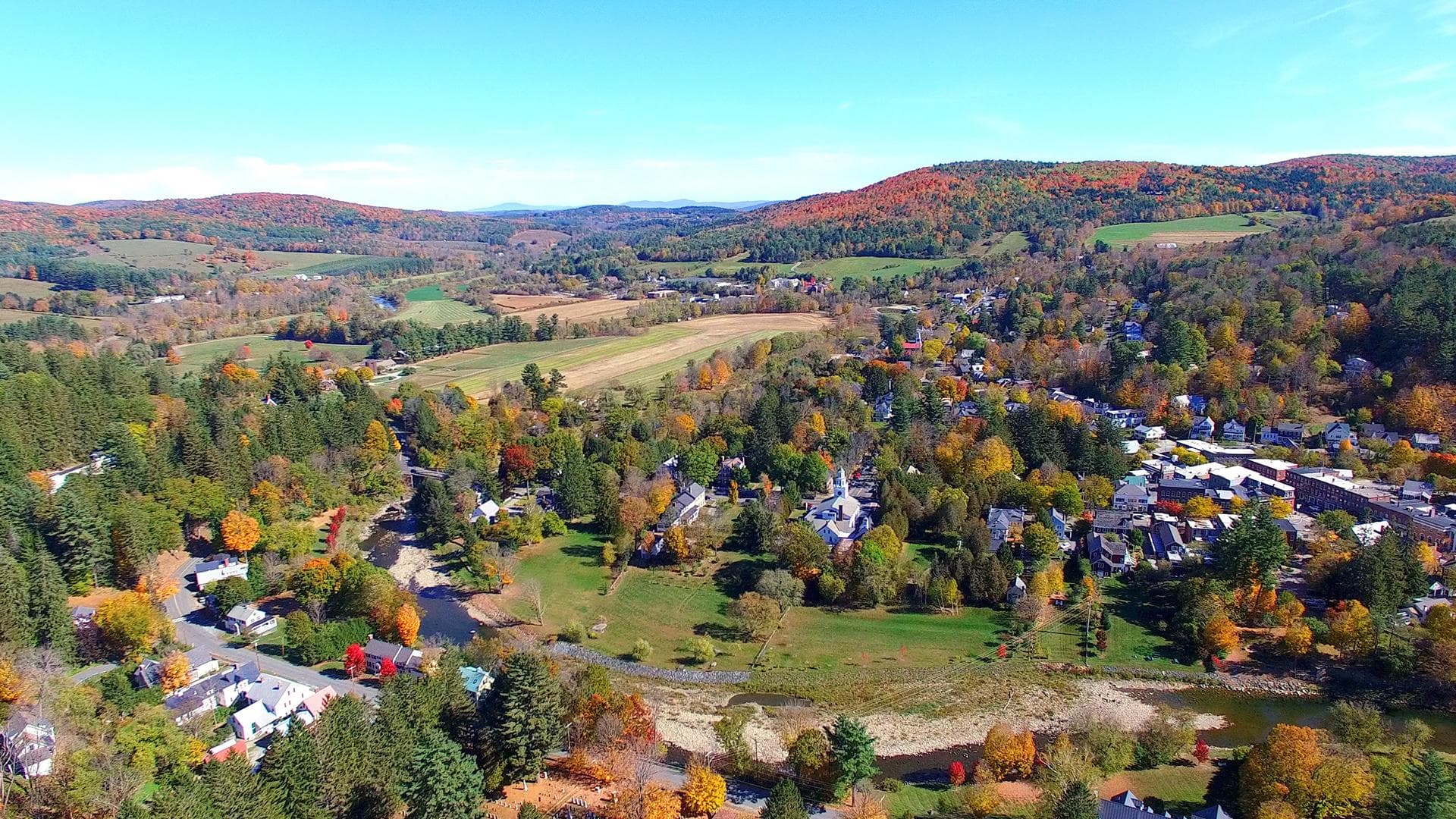 Jsbillin / CC BY-SA 4.0, via Wikimedia Commons
Self-guided audio walking tour of Woodstock Street Art — GPS route, offline playback, story-driven narration in 32 languages.
“Cape Town's walls speak volumes: a journey through Woodstock and Salt River's outdoor art gallery.”
Not the postcards. The stories even locals don't know — whispered in your ear, right where they happened.
Once notorious, this street now tells a different story on its walls, but a curious detail reveals a lingering echo of its past.
Beyond the bustling market, some of the most compelling artworks here are often out of sight to weekend crowds.
Amidst the lively murals, you might spot a subtle detail that reveals a deeper connection between the artists and the residents.
Discover every secret of Woodstock Street Art
Every address, every reveal in full — in your ear, right where it happened.
You pick your stops. You walk. The voice reveals what the others miss.
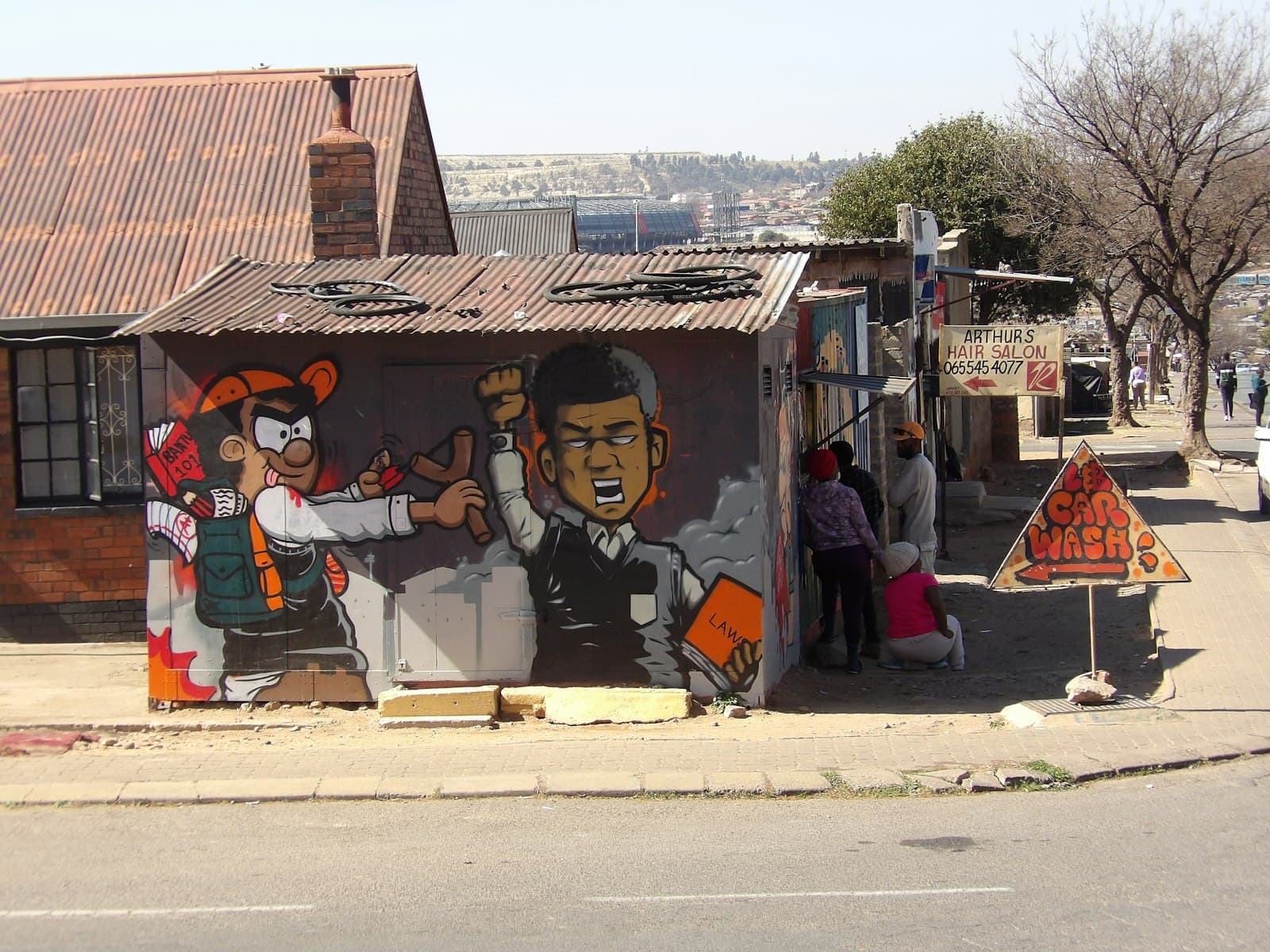
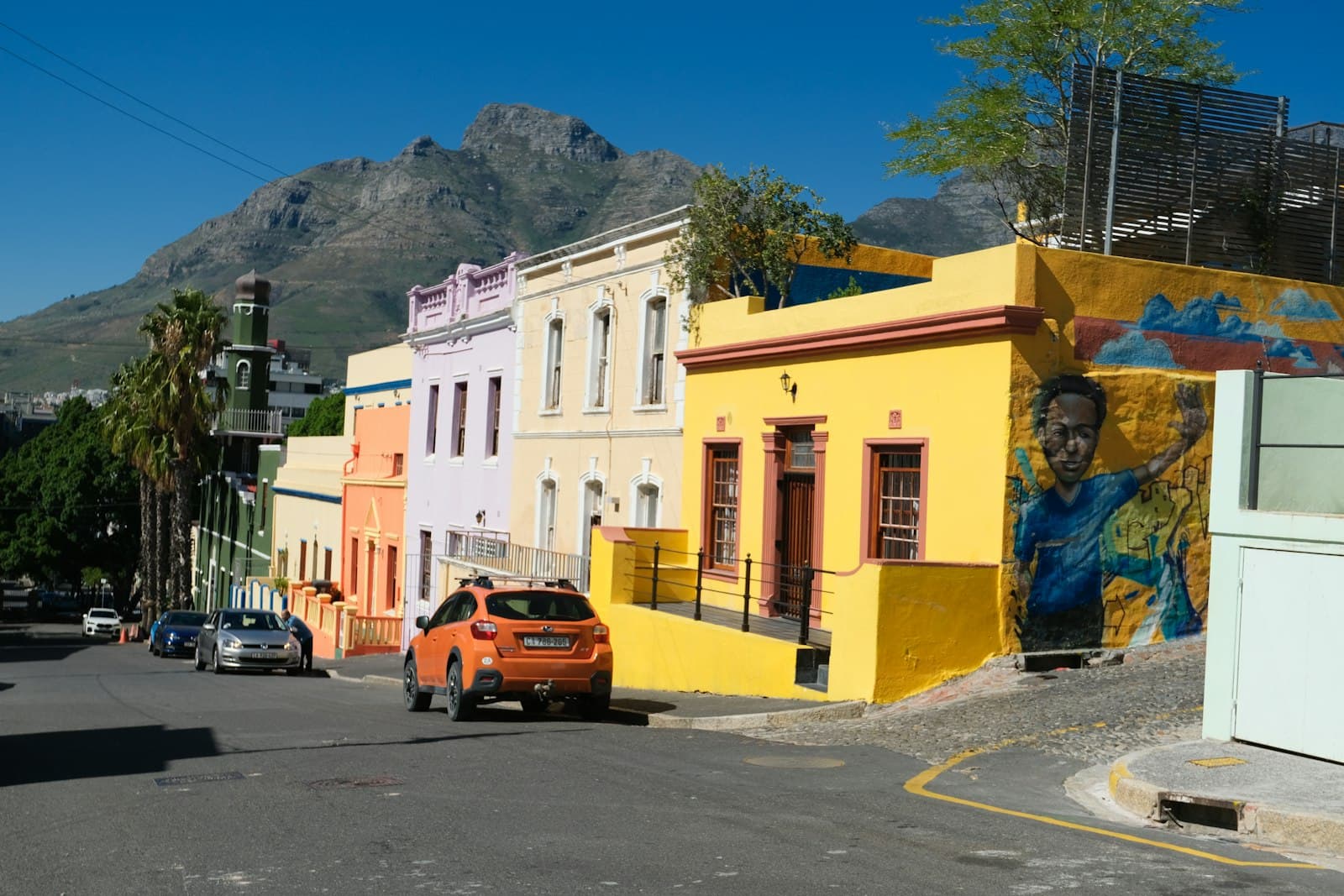
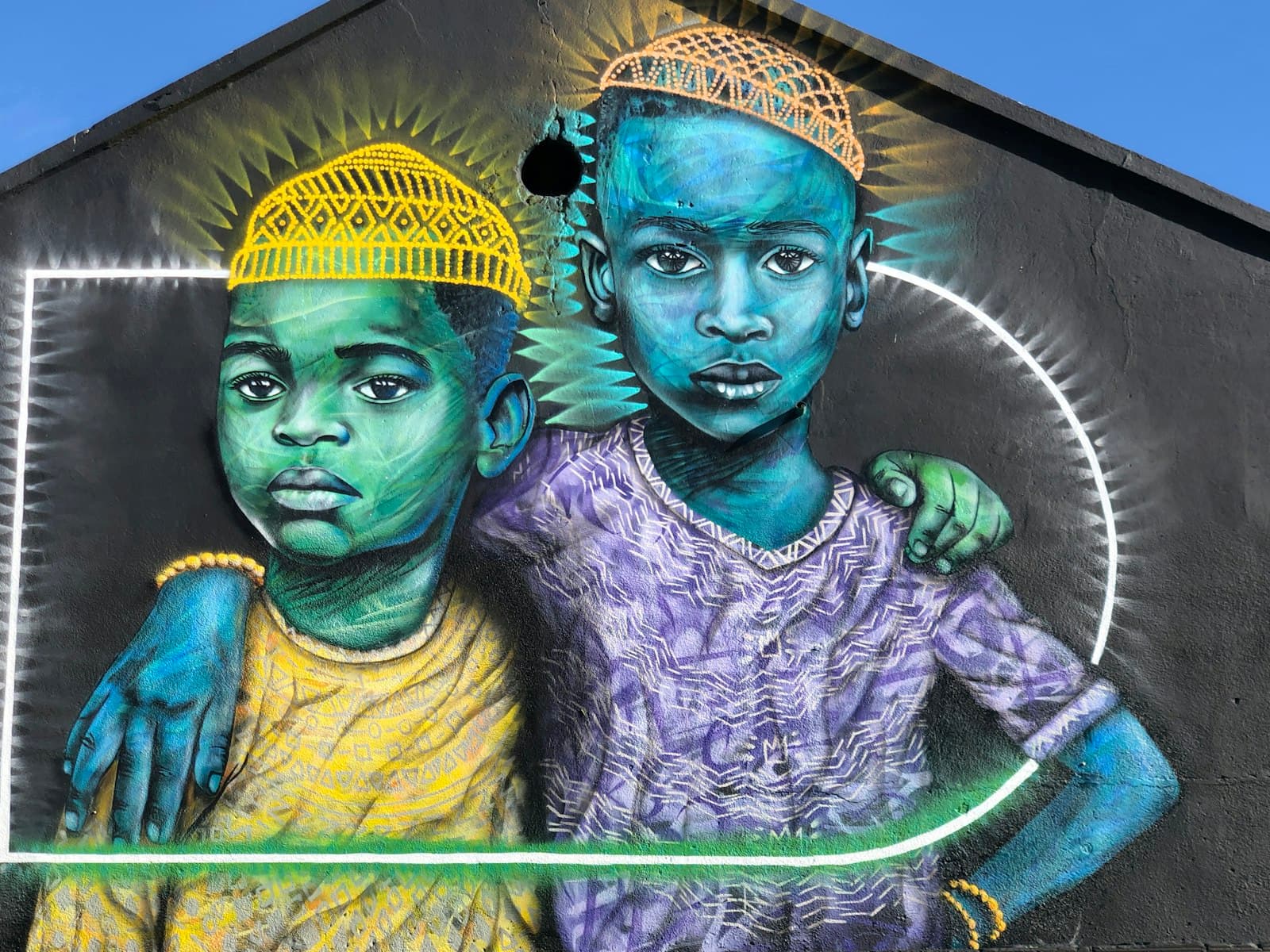
Your self-guided audio tour of Woodstock Street Art is ready — pick your landmarks, choose your language, and start the moment you arrive.
BuyLume has a built-in augmented-reality guide. Hold your phone up and its camera shows the street ahead of you, with a glowing arrow laid over the real view that always points to your next stop — no map to puzzle over, no wrong turns. Like everything in Lume, it works fully offline.
Step into the lively outdoor gallery of Cape Town's Woodstock and Salt River districts, where every wall tells a story. This self-guided audio walk invites you to explore a dynamic urban landscape transformed by an explosion of street art. What were once industrial areas with a grittier reputation have evolved into a canvas for both local and international artists, creating a visual dialogue that reflects the city's complex past, social issues, and creative spirit.
Beyond mere decoration, the murals of Woodstock and Salt River are powerful statements—some shouting about inequality and gentrification, others speaking of heritage, hope, and healing. This walk offers a unique opportunity to engage with art outside the confines of a traditional gallery, immersing you in a living, breathing exhibition where the art is as much a part of the community as the people who live and work here.
The story of street art in Woodstock and Salt River is deeply intertwined with the evolution of these Cape Town neighborhoods. Historically, both were industrial areas, characterized by warehouses, factories, and working-class families. However, starting in the early 1990s and gaining significant momentum in the 2010s, Woodstock began a process of urban renewal. As industries moved out and buildings became vacant, artists, seeking affordable spaces and creative freedom, started to move in.
This artistic influx marked a turning point. What began as an organic movement, with artists like Freddy Sam initiating a 'street art revolution' in 2010 by seeking permission from residents to paint on their walls, has grown into an internationally recognized phenomenon. The area's transformation was further amplified by initiatives like the International Public Art Festival (IPAF), which annually invites artists from around the globe to create large-scale murals, particularly in Salt River. This has cemented Woodstock and Salt River's reputation as an unofficial outdoor art museum.
The street art here is not simply aesthetic; it's a powerful form of social commentary. Murals often address themes of nature conservation, social justice, and community upliftment. Artists like Faith47, Falko One, Mak1one, and Nardstar* are prominent figures whose work turns blank walls into emotional powerhouses, prompting reflection on issues like inequality and gentrification—a complex conversation that the art itself often critiques. The art reflects the soul of Cape Town in lively color, constantly adapting and speaking out, making the city's walls a dynamic platform for expression and change.
Your walk begins by exploring the Albert Road mural corridor, a bustling stretch where towering artworks and intricate graffiti pieces adorn warehouses and cafes. Keep an eye out for the dynamic pieces on the walls of the Woodstock Exchange, a creative hub that serves as a starting point for many guided tours and showcases a variety of artistic expressions. Just a short walk away, the Old Biscuit Mill area offers a blend of culinary delights and significant street art, with murals often integrated into its creative enterprises.
Delve deeper into the residential streets to discover the large-scale works along Hercules, William, Argyle, and Gympie streets. Hercules Street, William Street, and Gympie Street are particularly rich with murals, some dating back to the early 2010s. On Gympie Street, you might encounter works by artists like Indi Go and an iconic elephant mural by Australian artist Mike Makatron, often focusing on environmental themes. Along William Street, look for pieces by artists such as DAL and Know Hope, which sometimes blend painted art with graffiti tagging. The art in these areas frequently features themes of endangered animals, community, and local narratives, with pieces by artists such as Mak1one and Story Room Creatives raising awareness about conservation and social issues.
The best time to explore the street art of Woodstock and Salt River is during daylight hours, particularly on weekdays when the area is active but less crowded than the bustling Neighbourgoods Market on Saturdays. The weather in Cape Town is generally pleasant, making for comfortable walking conditions. Consider visiting in the morning or early afternoon to take advantage of good light for photography and to ensure businesses are open if you wish to stop for refreshments.
Wear comfortable walking shoes, as this is a pedestrian-focused tour covering several blocks. While the area has undergone significant revitalization, it's always advisable to be aware of your surroundings and keep valuables secure. Many local tour operators recommend guided walks for a deeper understanding of the art and the community, and for added safety. If driving, parking is available on the street, and on Saturdays, at the College of Cape Town for a fee. Public transport, such as the MyCiTi Bus (Route 261), also serves Albert Road. Don't forget your camera; the lively murals offer endless photographic opportunities.
Woodstock Street Art in Korean, in Chinese or in Hebrew — and 29 more languages, every stop narrated by a native voice. The widest language range of any self-guided audio tour.
Available in: