El Árbol de Correos
Antes de los mensajes digitales o los servicios postales formales, los marineros confiaban su correspondencia a un buzón arbóreo de lo más inusual.
La historia completa se desbloquea en el tour
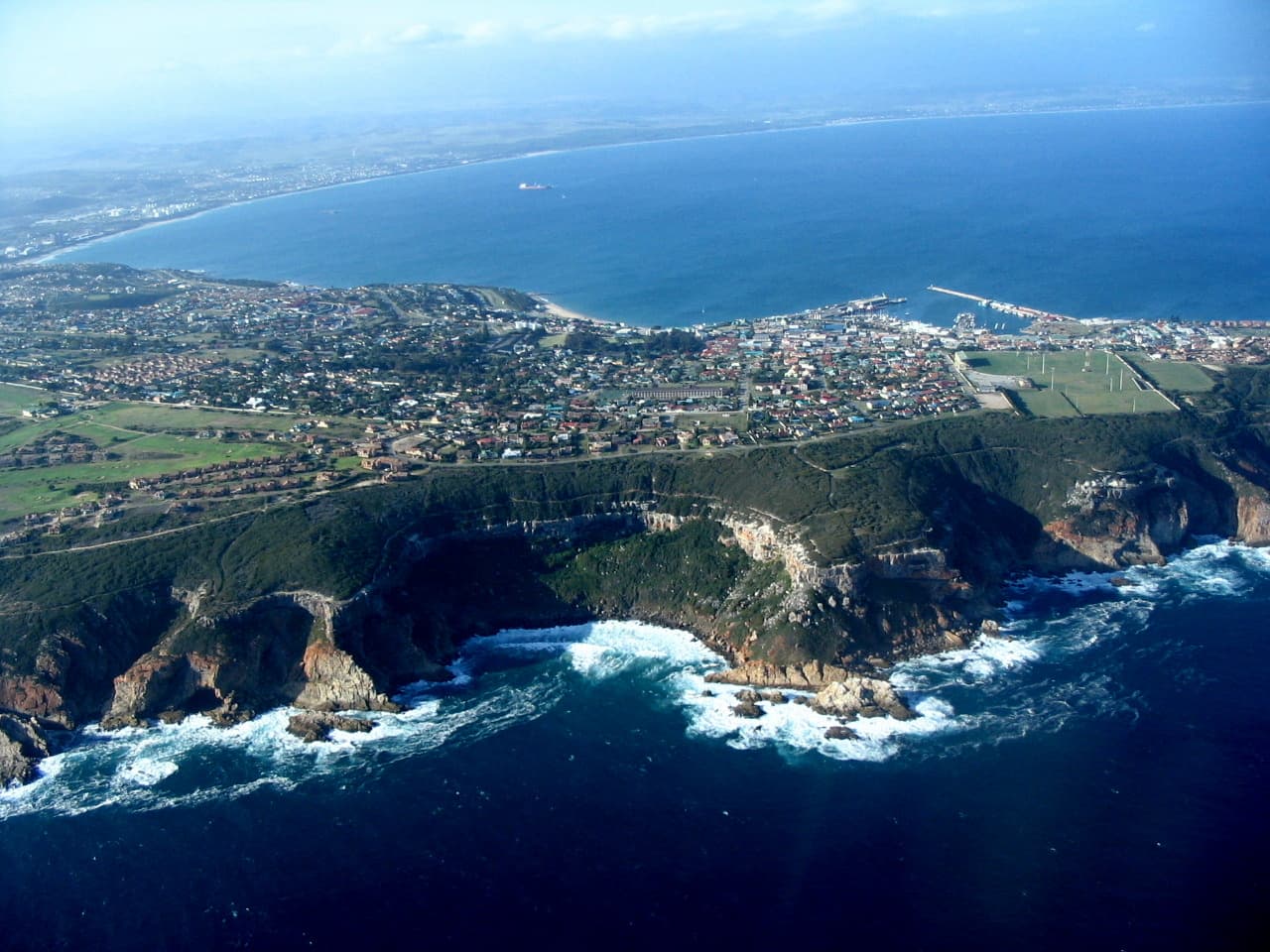 Bob Adams from Amanzimtoti, South Africa / CC BY-SA 2.0, via Wikimedia Commons
Tour de audio autoguiado de Mossel Bay — ruta GPS a pie, reproducción offline, narración en 32 idiomas.
“Donde los orígenes ancestrales se encuentran con el abrazo del océano en la Ruta Jardín.”
No las postales. Las historias que ni los locales conocen — al oído, justo donde ocurrieron.
Antes de los mensajes digitales o los servicios postales formales, los marineros confiaban su correspondencia a un buzón arbóreo de lo más inusual.
Uno de los venerables faros de Sudáfrica continúa su vigilia con un toque humano singular.
Las pruebas desenterradas aquí reconfiguran la cronología del ingenio humano primitivo.
Descubre todos los secretos de Mossel Bay
Cada dirección, cada revelación al completo — a tu oído, justo donde ocurrió.
Eliges tus paradas. Caminas. La voz te revela lo que los demás ignoran.


Tu tour de audioguía por Mossel Bay te espera — elige tus lugares, tu idioma y empieza al llegar.
ComprarLume incluye una guía de realidad aumentada. Levanta el móvil y su cámara muestra la calle que tienes delante, con una flecha luminosa sobre la imagen real que siempre apunta a tu próxima parada — sin mapas que descifrar, sin giros equivocados. Como todo en Lume, funciona completamente sin conexión.
Mossel Bay, una ciudad costera a lo largo de la célebre Ruta Jardín de Sudáfrica, ofrece una fusión convincente de profunda historia, esplendor natural y exploración contemporánea. Situada en la península de Cape St. Blaize, experimenta un clima notablemente templado, atemperado por el océano, a menudo comparado con Hawái, con aproximadamente 320 días soleados al año. Esto la convierte en un destino atractivo durante todo el año, animando a los viajeros a pasear por sus arenas doradas, escarpes dramáticos y las cálidas aguas del Océano Índico.
La ciudad sirve como una parada significativa a lo largo de la Ruta Jardín, aproximadamente a 400 kilómetros al este de Ciudad del Cabo y a 400 kilómetros al oeste de Gqeberha. Si bien tiene conexiones industriales con los campos de gas en alta mar y la refinería PetroSA, Mossel Bay mantiene una atmósfera acogedora y abundantes atractivos naturales. Desde playas vírgenes y observaciones de vida marina hasta sitios históricos y actividades emocionantes, Mossel Bay presenta una experiencia variada para cada visitante.
La historia humana de Mossel Bay se extiende más allá de los 164.000 años, con descubrimientos arqueológicos en las Cuevas de Pinnacle Point que proporcionan pruebas de la presencia humana temprana y el uso sofisticado de herramientas. Estos hallazgos subrayan la importancia de la región como cuna de los orígenes humanos. Más recientemente, los pueblos nómadas khoisan, incluidos los pastores khoekhoe y los cazadores-recolectores san, habitaron esta tierra.
La narrativa moderna de Mossel Bay comenzó en febrero de 1488 cuando el explorador portugués Bartolomeu Dias y su tripulación fueron los primeros europeos en pisar suelo sudafricano, cerca de la ubicación del actual Complejo del Museo Dias. Dias inicialmente llamó a la bahía 'Angra dos Vaqueiros' (Bahía de los Vaqueros) después de encontrarse con pastores locales. Repuso sus suministros de agua de un manantial aquí, habiendo navegado sin saberlo alrededor del Cabo de Buena Esperanza.
En 1500, otro explorador portugués, Pedro d'Ataide, encontró refugio en la bahía después de una tormenta y dejó un mensaje en una bota debajo de un árbol de leche, que João da Nova descubrió más tarde. Este servicio postal informal dio origen al famoso Árbol de Correos. La bahía recibió su nombre actual, Mossel Bay (que significa 'Bahía de los Mejillones' en holandés), en 1601 del almirante holandés Paulus van Caerden, un guiño a los abundantes mariscos que complementaban las provisiones de los marineros.
A pesar del contacto europeo temprano, el asentamiento europeo permanente fue gradual. La primera estructura europea permanente, un granero con forma de fortaleza, se construyó en 1787, seguida por el primer envío de trigo local en 1788. En 1848, los colonos británicos establecieron oficialmente la ciudad actual, nombrándola brevemente Aliwal South. A lo largo de los siglos, Mossel Bay se transformó de una comunidad agrícola y pesquera con un puerto comercial en un importante centro turístico, fortalecido aún más por el descubrimiento de campos de gas en alta mar en 1969.
Mossel Bay presenta una variedad de atracciones que atraen a diversos intereses. El Complejo del Museo Bartolomeu Dias sirve como punto central para comprender la historia del contacto europeo de la ciudad, con una réplica de la carabela de Dias y antiguas cabañas. Para una experiencia histórica distintiva, visite el Árbol de Correos, donde aún puede enviar una carta desde una réplica de bota. El Faro de Cape St. Blaize, un faro activo desde 1864, ofrece amplias vistas al océano desde su posición en el acantilado.
Aquellos que aprecian la naturaleza pueden explorar la Cueva de Cape St. Blaize, un sitio arqueológico que revela evidencia de antigua habitación humana, ofreciendo vistas dramáticas del océano. El Sendero St. Blaize es una ruta de senderismo popular que se extiende a lo largo de la escarpada costa desde The Point hasta Dana Bay, brindando vistas panorámicas. Para aquellos que buscan emoción, la Tirolina de Mossel Bay ofrece un emocionante deslizamiento de 1.1 kilómetros sobre el océano, alcanzando velocidades de hasta 80 km/h. La ciudad también cuenta con varias playas Bandera Azul, incluida Santos Beach, perfecta para el descanso y las actividades acuáticas.
Mossel Bay es considerado un destino durante todo el año debido a su clima templado y moderado por el océano. La temporada cálida generalmente se extiende desde finales de noviembre hasta finales de marzo, con temperaturas máximas diarias promedio superiores a 23°C (73°F), lo que la hace ideal para actividades de clima cálido y excursiones a la playa. Febrero es generalmente el mes más cálido, con una máxima promedio de 23°C (73°F) y agradables temperaturas del mar. Los meses de transición de septiembre a noviembre y de marzo a mayo ofrecen un clima confortable con menos multitudes y potencialmente un mejor valor en el alojamiento. Si bien los inviernos (junio a agosto) son más frescos, con máximas promedio de alrededor de 17-18°C (63-64°F), son más tranquilos y pueden ser excelentes para la observación de ballenas.
Mossel Bay se encuentra aproximadamente a 385 kilómetros de Ciudad del Cabo y se puede llegar a través de la autopista N2. El aeropuerto principal más cercano es el Aeropuerto de George (GRJ), a unos 25-30 minutos en coche, con vuelos regulares desde las principales ciudades sudafricanas. Alternativamente, el Aeropuerto de Plettenberg Bay (PBZ) está a aproximadamente 1.5 horas, ofreciendo un viaje panorámico.
La moneda de Sudáfrica es el Rand (R). La moneda extranjera se puede cambiar en bancos comerciales. Los enchufes eléctricos estándar son de 220/230 voltios CA a 50 ciclos por segundo, utilizando enchufes de tres clavijas, por lo que es aconsejable un adaptador. El agua del grifo en las principales ciudades es generalmente segura para beber. Los titulares de pasaportes de muchos países, incluidos EE. UU., Canadá, Japón y las naciones de la UE, no requieren visa para estancias turísticas. Lleve siempre protector solar con un SPF de 15 o superior debido al fuerte sol sudafricano.
Mossel Bay en coreano, en chino o en hebreo — y 29 idiomas más, cada parada narrada por una voz nativa. La mayor variedad de idiomas de cualquier audioguía autoguiada.
Disponible en: