Ascenseur de Strépy-Thieu
Ce n'est pas qu'un simple ascenseur à bateaux ; il détient un record mondial qui pourrait vous surprendre, compte tenu de sa fonction.
L'histoire complète se débloque dans le tour
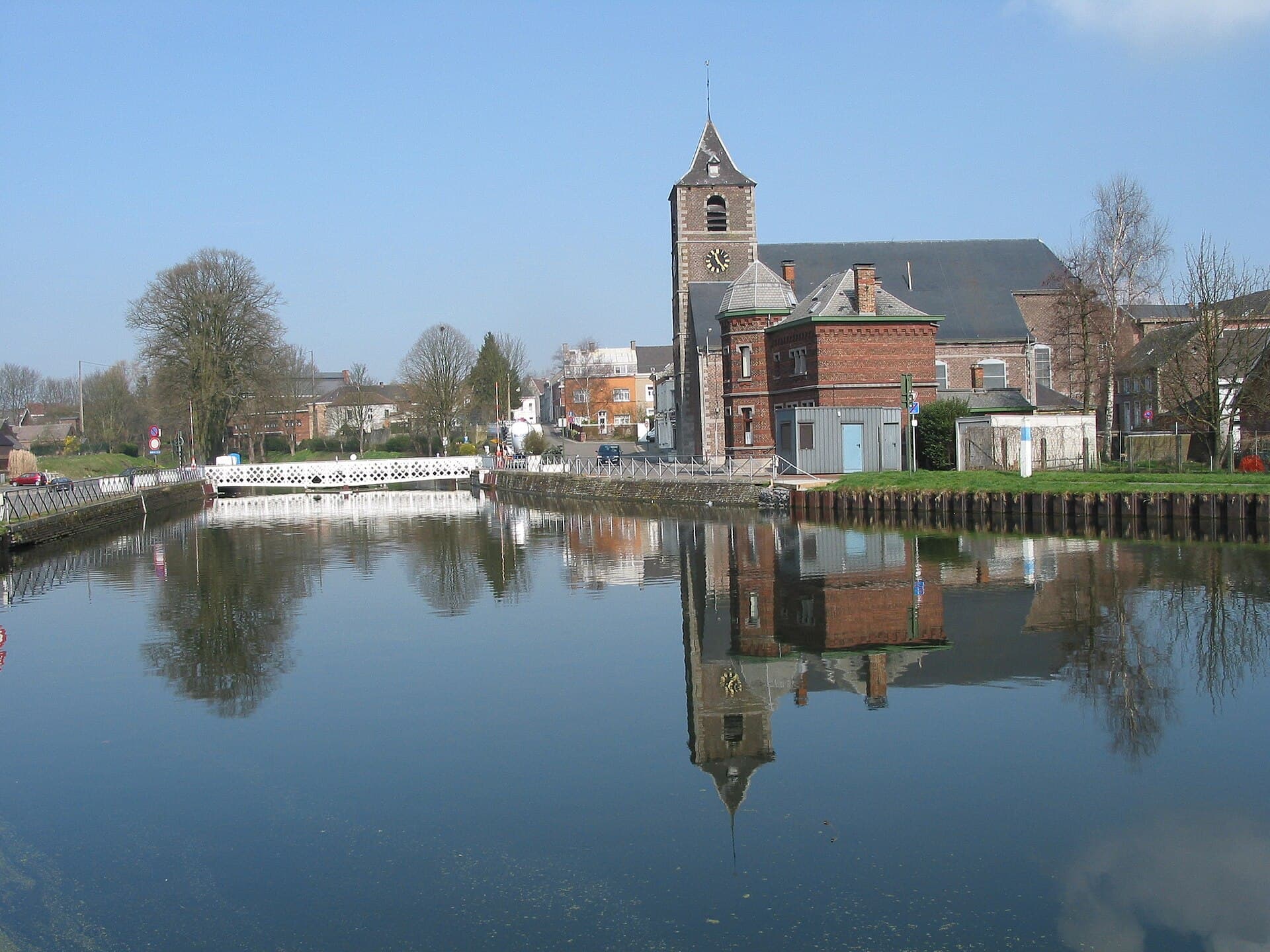 Jean-Pol GRANDMONT / cc by-sa 3.0, via Wikimedia Commons
Visite audio autoguidée de La Louvière — parcours GPS à pied, lecture hors ligne, narration en 32 langues.
“Là où les échos industriels rencontrent l'art inattendu et la force tranquille d'un canal.”
Pas les cartes postales. Les histoires que même les habitants ignorent — soufflées à l'oreille, là où elles se sont passées.
Ce n'est pas qu'un simple ascenseur à bateaux ; il détient un record mondial qui pourrait vous surprendre, compte tenu de sa fonction.
Sous une chapelle d'apparence ordinaire, sur ce site minier historique, se cache une chambre secrète, construite dans un but très spécifique et solennel.
Les traditions céramiques de La Louvière doivent leur existence à une ressource locale spécifique, mais ce n'est pas l'argile qui a d'abord attiré l'industrie ici.
Découvrez tous les secrets de La Louvière
Chaque adresse, chaque révélation en entier — dans ton oreille, là où elle s'est passée.
Tu choisis tes lieux. Tu marches. La voix te révèle ce que les autres ignorent.


Votre visite audioguidée de La Louvière vous attend — choisissez vos lieux, votre langue, et lancez-vous dès votre arrivée.
AcheterLume intègre un guide en réalité augmentée. Levez votre téléphone : sa caméra montre la rue devant vous, avec une flèche lumineuse posée sur l'image réelle qui pointe toujours vers votre prochain arrêt — aucune carte à déchiffrer, aucun mauvais virage. Comme tout dans Lume, ça fonctionne entièrement hors-ligne.
La Louvière, ville de la région wallonne de Belgique, est un lieu où le passé industriel n'est pas seulement préservé, mais réinventé. Située le long de l'historique Canal du Centre, c'est un paysage façonné par le charbon et l'acier, qui révèle aujourd'hui une surprenante verve artistique. C'est une ville qui embrasse son héritage, transformant d'anciens sites industriels en centres culturels et musées de plein air, offrant un mélange unique de rudesse et de beauté inattendue.
Le caractère de la ville est défini par son esprit industrieux et l'ingéniosité qui lui a permis de prospérer à travers divers changements économiques. Les visiteurs découvriront une destination qui défie les idées reçues, révélant une communauté fière de ses racines ouvrières tout en cultivant une identité contemporaine. Des prouesses d'ingénierie monumentales à l'art céramique complexe, La Louvière offre un voyage au cœur industriel de la Belgique avec un rythme distinct et engageant.
## Des filons de charbon aux scènes culturelles L'histoire de La Louvière est profondément liée à la révolution industrielle. La découverte de filons de charbon dans le bassin du Borinage, où se situe La Louvière, au XIXe siècle, a transformé la région d'un paysage rural en un centre industriel animé. La construction du Canal du Centre, en particulier ses ascenseurs hydrauliques innovants, a été cruciale pour le transport du charbon et d'autres marchandises, alimentant davantage la croissance de la région.
À la fin du XIXe et au début du XXe siècle, La Louvière était une puissance de l'industrie lourde, avec de nombreuses mines de charbon, des aciéries et des verreries. Cette période a vu un afflux important de travailleurs, entraînant une urbanisation rapide et le développement de communautés ouvrières distinctes. L'architecture de la ville porte encore les marques de cette époque, des rangées de maisons de mineurs aux demeures plus grandioses d'industriels.
Le milieu du XXe siècle a entraîné un déclin des industries du charbon et de l'acier, posant des défis importants pour La Louvière. Cependant, au lieu de succomber à la désindustrialisation, la ville a entrepris une transformation remarquable. De nombreux anciens sites industriels ont été réaffectés, devenant des sites du patrimoine mondial de l'UNESCO et des attractions culturelles. Cette réutilisation adaptative a permis à La Louvière d'honorer son passé tout en forgeant une nouvelle identité en tant que centre du tourisme patrimonial et de l'art contemporain.
## Le Canal du Centre et son héritage Le Canal du Centre, avec ses quatre ascenseurs hydrauliques, témoigne des prouesses d'ingénierie du XIXe siècle. Ces ascenseurs, aujourd'hui classés au patrimoine mondial de l'UNESCO, étaient révolutionnaires pour leur époque, permettant aux péniches de naviguer sur d'importants dénivelés. L'ascenseur à bateaux plus moderne de Strépy-Thieu, achevé en 2002, perpétue cet héritage d'innovation, démontrant un engagement continu envers le transport fluvial et l'excellence en ingénierie.
## Patrimoine artistique et céramique Au-delà de l'industrie lourde, La Louvière a également développé une forte tradition dans la céramique. La ville est devenue réputée pour ses grès décoratifs et ses poteries d'art, avec des entreprises comme Boch Frères Keramis jouant un rôle important. Aujourd'hui, cet héritage artistique est célébré à Keramis – Centre de la Céramique, un centre d'art contemporain installé dans une ancienne usine de céramique, qui présente à la fois l'art céramique historique et moderne.
Commencez votre exploration à l'Ascenseur de Strépy-Thieu, un impressionnant ascenseur à bateaux moderne qui offre des vues panoramiques et un aperçu fascinant de l'ingénierie hydraulique contemporaine. À proximité, les ascenseurs hydrauliques historiques du Canal du Centre (site du patrimoine mondial de l'UNESCO) donnent un aperçu de l'ingéniosité du XIXe siècle, avec des possibilités de promenades en bateau.
Plongez dans le passé industriel de la région à Bois-du-Luc, l'une des plus anciennes mines de charbon de Belgique et un site du patrimoine mondial de l'UNESCO. Ce complexe minier préservé comprend des maisons d'ouvriers, une maison de directeur et un hôpital, offrant un aperçu complet de la vie dans une communauté minière.
Pour les amateurs d'art, Keramis – Centre de la Céramique est une visite essentielle. Situé dans une ancienne usine de céramique, il présente des expositions de céramiques contemporaines et explore l'histoire de la production céramique à La Louvière.
Ne manquez pas le Centre Daily-Bul & C°, un musée unique dédié au mouvement artistique d'avant-garde Daily-Bul, connu pour son approche ludique et subversive de l'art et de la littérature.
La Louvière se visite de préférence au printemps (avril à juin) ou au début de l'automne (septembre à octobre), lorsque le temps est doux et agréable pour explorer les sites extérieurs comme le Canal du Centre et Bois-du-Luc. Les centres culturels et les musées sont ouverts toute l'année, offrant des alternatives intérieures pendant les mois plus froids ou plus humides.
La Louvière est bien desservie par le train, avec des services directs depuis les grandes villes belges comme Bruxelles. Le centre-ville est accessible à pied, et les bus locaux desservent la région plus large, y compris des attractions comme Strépy-Thieu. Envisagez d'acheter un Wallonia Pass si vous prévoyez de visiter plusieurs attractions de la région, car il peut offrir des réductions. De nombreux sites proposent des visites guidées, en particulier les ascenseurs à bateaux et Bois-du-Luc, ce qui peut améliorer votre compréhension de leur signification historique et ingénierique. La cuisine locale comprend des plats belges traditionnels, avec des ragoûts copieux et des frites facilement disponibles.
La Louvière en coréen, en chinois ou en hébreu — et dans 29 autres langues, chaque étape narrée par une voix native. La plus large gamme de langues de tous les audioguides autoguidés.
Disponible en :