Villa Romana, Minori
Bajo el bullicio moderno de Minori yace un mundo secreto de lujo y poder de hace casi dos milenios.
La historia completa se desbloquea en el tour
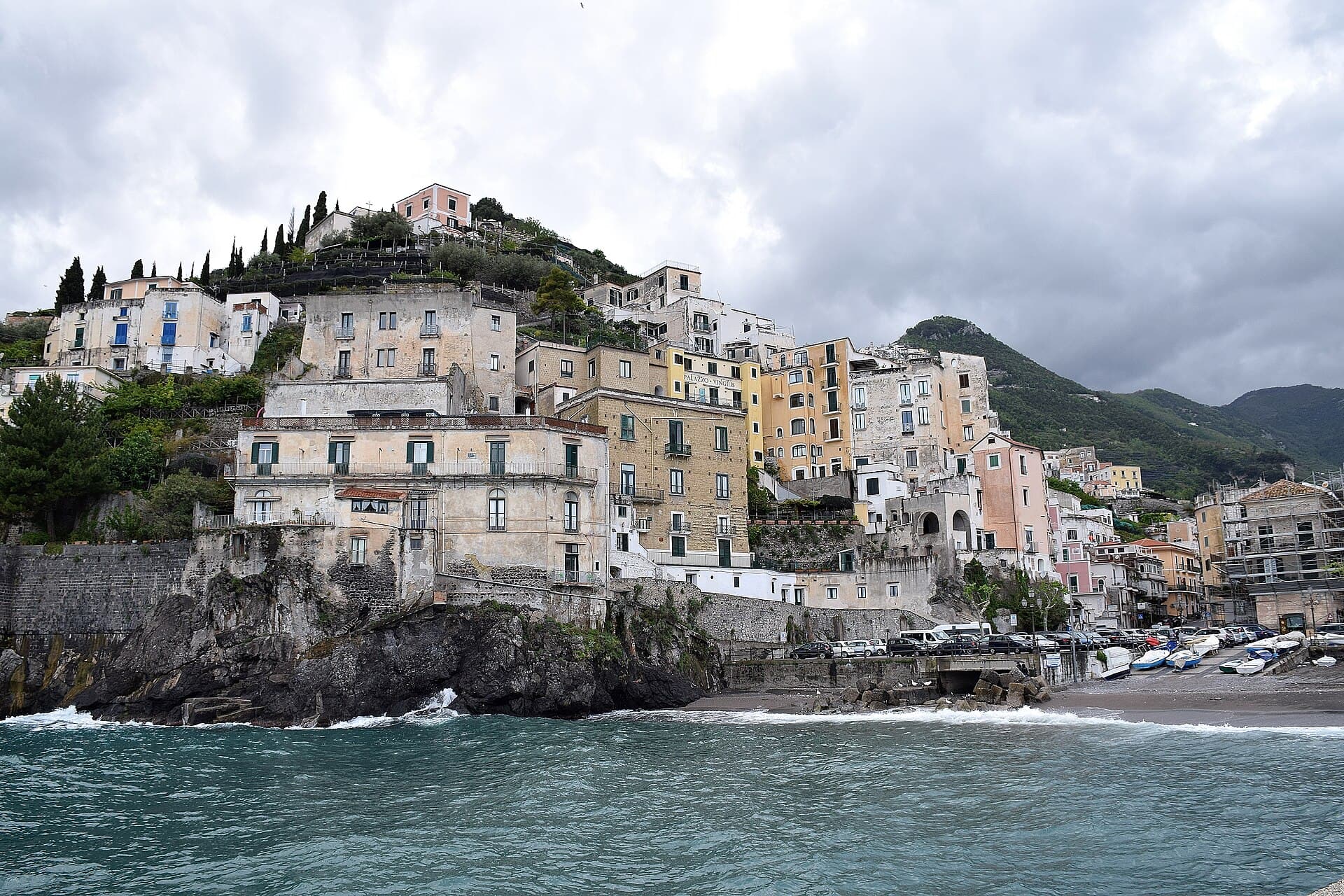 gian luca bucci / CC BY 3.0, via Wikimedia Commons
Tour de audio autoguiado de Minori — ruta GPS a pie, reproducción offline, narración en 32 idiomas.
“Donde los ecos ancestrales se encuentran con el suave ritmo del mar.”
No las postales. Las historias que ni los locales conocen — al oído, justo donde ocurrieron.
Bajo el bullicio moderno de Minori yace un mundo secreto de lujo y poder de hace casi dos milenios.
La santa patrona de Minori emprendió un viaje extraordinario, llegando de una manera de lo más inesperada.
Antes de que la pasta se convirtiera en un fenómeno global, Minori desempeñó un papel crucial, a menudo pasado por alto, en su producción temprana.
Descubre todos los secretos de Minori
Cada dirección, cada revelación al completo — a tu oído, justo donde ocurrió.
Eliges tus paradas. Caminas. La voz te revela lo que los demás ignoran.


Tu tour de audioguía por Minori te espera — elige tus lugares, tu idioma y empieza al llegar.
ComprarLume incluye una guía de realidad aumentada. Levanta el móvil y su cámara muestra la calle que tienes delante, con una flecha luminosa sobre la imagen real que siempre apunta a tu próxima parada — sin mapas que descifrar, sin giros equivocados. Como todo en Lume, funciona completamente sin conexión.
Minori, una perla en la Costa Amalfitana, ofrece una experiencia italiana más íntima y auténtica que sus bulliciosas vecinas. Aquí, los dramáticos acantilados de los Montes Lattari descienden hacia el mar Tirreno azul cerúleo, creando un paisaje de belleza cautivadora. A diferencia de algunas de las ciudades más abiertamente glamorosas, Minori conserva una elegancia encantadora y discreta, invitando a los visitantes a relajarse y saborear su carácter genuino.
El ritmo suave de la ciudad se complementa con una larga historia, desde el lujo de la antigua Roma hasta la destreza marítima medieval. Pasea por sus calles bañadas por el sol y descubrirás un lugar donde la vida diaria se desarrolla con un ritmo relajado, salpicado por el aroma de los limones frescos y el murmullo distante de las olas. Minori es un destino que recompensa la exploración, ofreciendo vislumbres de un pasado que moldeó su presente, todo mientras proporciona una escapada serena en una de las costas más celebradas de Italia.
## De Retiro Romano a Centro Marítimo La historia de Minori se remonta a la antigüedad, con evidencia de asentamientos humanos que datan del período etrusco. Sin embargo, fueron los romanos quienes realmente dejaron su huella, transformando este paraíso costero en un lujoso retiro. El testimonio más sorprendente de esta era es la Villa Romana, que data del siglo I d.C. Descubierta en la década de 1930, este extenso complejo presentaba elaborados frescos, intrincados mosaicos y baños termales privados, lo que sugiere que era una residencia de verano para una adinerada familia romana. Su ubicación estratégica, con acceso directo al mar, la convirtió en un escape ideal del calor y las maquinaciones políticas de Roma.
Tras la caída del Imperio Romano, Minori, como gran parte de la Costa Amalfitana, entró en un período de transición. Se convirtió en parte integral del Ducado de Amalfi, una poderosa república marítima que dominó el comercio en el Mediterráneo durante la Alta Edad Media. La posición estratégica de Minori y sus fértiles valles contribuyeron a la prosperidad del Ducado, con sus molinos moliendo grano para pasta y sus laderas en terrazas produciendo abundantes limones y otros productos.
## Florecimiento Medieval y Devoción Religiosa La Edad Media vio florecer a Minori, con la construcción de su edificio religioso más prominente, la Basílica de Santa Trofimena. Dedicada a la santa patrona de la ciudad, cuyas reliquias se dice que llegaron milagrosamente por mar, la Basílica se convirtió en un corazón espiritual para la comunidad. La economía de la ciudad se diversificó, prosperando la pesca, la agricultura y la artesanía. El famoso 'Valle de los Molinos' (Valle dei Mulini) se convirtió en un centro de actividad, donde numerosos molinos de agua aprovechaban los torrentes de los Montes Lattari para producir papel y, notablemente, pasta, una industria vital que precede a la industrialización generalizada de la fabricación de pasta.
## Tradiciones Duraderas y Encanto Moderno A lo largo de los siglos, Minori se adaptó a los cambiantes paisajes políticos, desde el dominio normando hasta el Reino de Nápoles. A pesar de estos cambios, la ciudad mantuvo su identidad y tradiciones únicas. El cultivo del limón Sfusato Amalfitano siguió siendo una piedra angular de su economía agrícola, dando forma al paisaje con sus icónicos huertos en terrazas. Hoy en día, Minori abraza su pasado mientras ofrece un encanto contemporáneo. La antigua Villa Romana es ahora un fascinante sitio arqueológico y museo, mientras que la Basílica de Santa Trofimena sigue siendo un animado centro de fe. La herencia culinaria, particularmente su pasta y repostería, continúa atrayendo a los visitantes, solidificando la reputación de Minori como la 'Ciudad del Gusto' en la Costa Amalfitana.
Comience su exploración en el Complejo Arqueológico Romano de Minori, una villa del siglo I d.C. notablemente conservada que ofrece una ventana a la vida romana antigua con sus frescos, mosaicos y baños termales. A pocos pasos se encuentra la Basílica de Santa Trofimena, una hermosa iglesia que alberga las reliquias de la santa patrona de la ciudad en su cripta, un espacio sereno e históricamente significativo. Pasee por el Lungomare, el encantador paseo marítimo de Minori, donde podrá disfrutar de las vistas del puerto y el suave ritmo de la vida local. Para una muestra de la naturaleza y la historia, embárquese en una sección del Sentiero dei Limoni (Sendero de los Limones), un antiguo sendero peatonal que serpentea entre fragantes limoneros, ofreciendo vistas panorámicas de la costa. No pierda la oportunidad de probar los renombrados pasteles y la pasta fresca de Minori en una de sus panaderías o restaurantes locales, un verdadero punto culminante de la 'Ciudad del Gusto'.
El momento ideal para visitar Minori es durante las temporadas intermedias de abril a principios de junio y de septiembre a octubre. Durante estos meses, el clima es agradablemente cálido, perfecto para explorar, y las multitudes son menores que en los meses pico de verano. Julio y agosto son calurosos y muy concurridos, mientras que el invierno ofrece una experiencia más tranquila, pero más fresca y a veces lluviosa, con menos servicios turísticos disponibles.
Minori es fácilmente accesible mediante los servicios de autobús SITA que circulan con frecuencia a lo largo de la Costa Amalfitana, conectándola con Salerno, Amalfi y otras ciudades. Los ferries y los hidroalas también operan durante la temporada alta, ofreciendo una forma escénica de llegar desde Salerno o Amalfi. Si bien el centro de la ciudad es transitable a pie, se recomiendan zapatos cómodos para explorar los senderos y escalones de la ladera. El estacionamiento puede ser un desafío, especialmente en temporada alta, por lo que a menudo se prefiere el transporte público o los traslados privados. Muchos establecimientos aceptan tarjetas de crédito, pero siempre es aconsejable llevar algunos euros para compras más pequeñas. Las propinas son apreciadas pero no obligatorias.
Minori en coreano, en chino o en hebreo — y 29 idiomas más, cada parada narrada por una voz nativa. La mayor variedad de idiomas de cualquier audioguía autoguiada.
Disponible en: