Seegrotte Hinterbrühl
Beneath the unassuming surface near Mödling lies Europe's largest underground lake, but its tranquil waters conceal a darker, wartime secret.
Full story unlocks in the tour
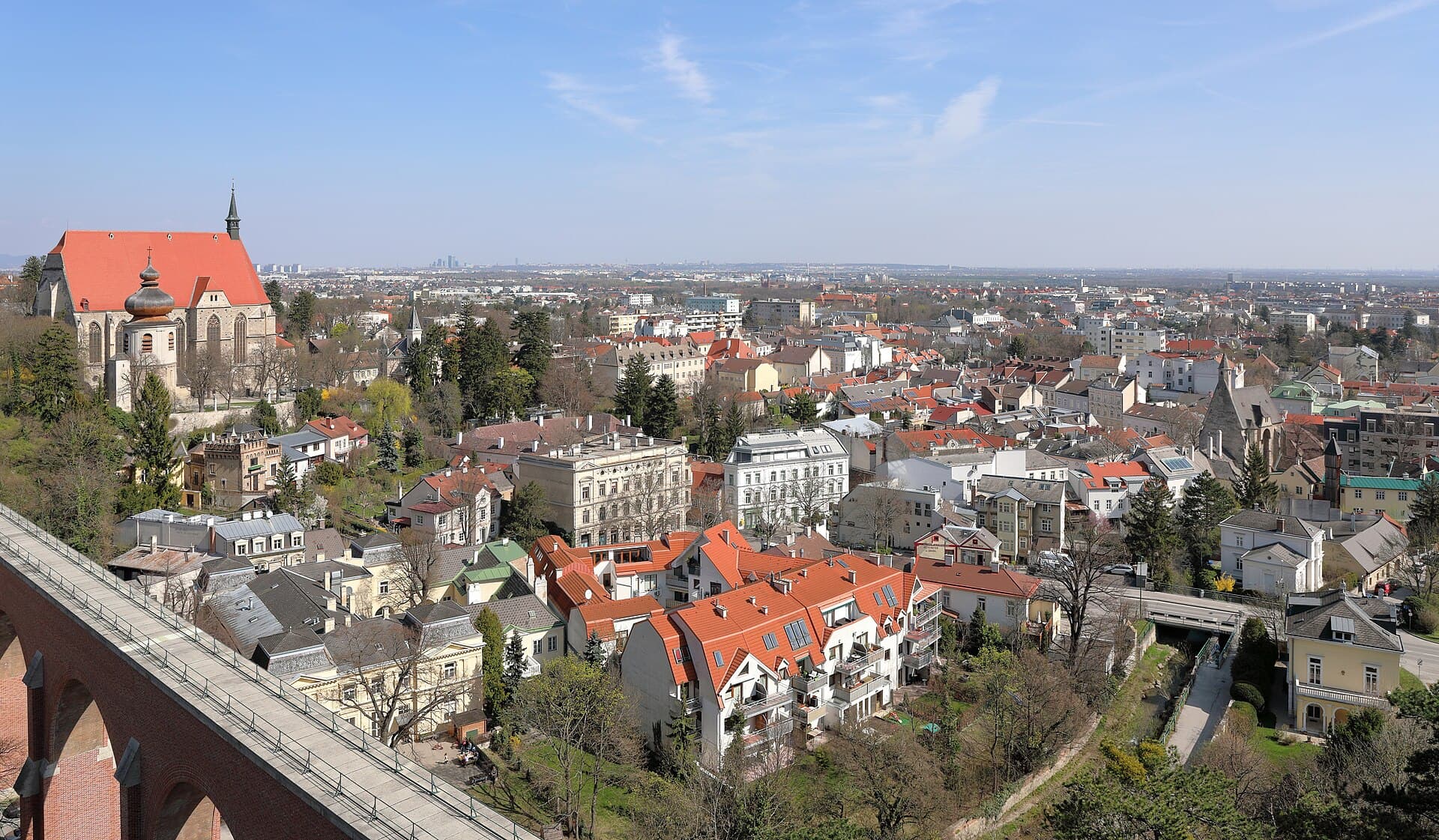
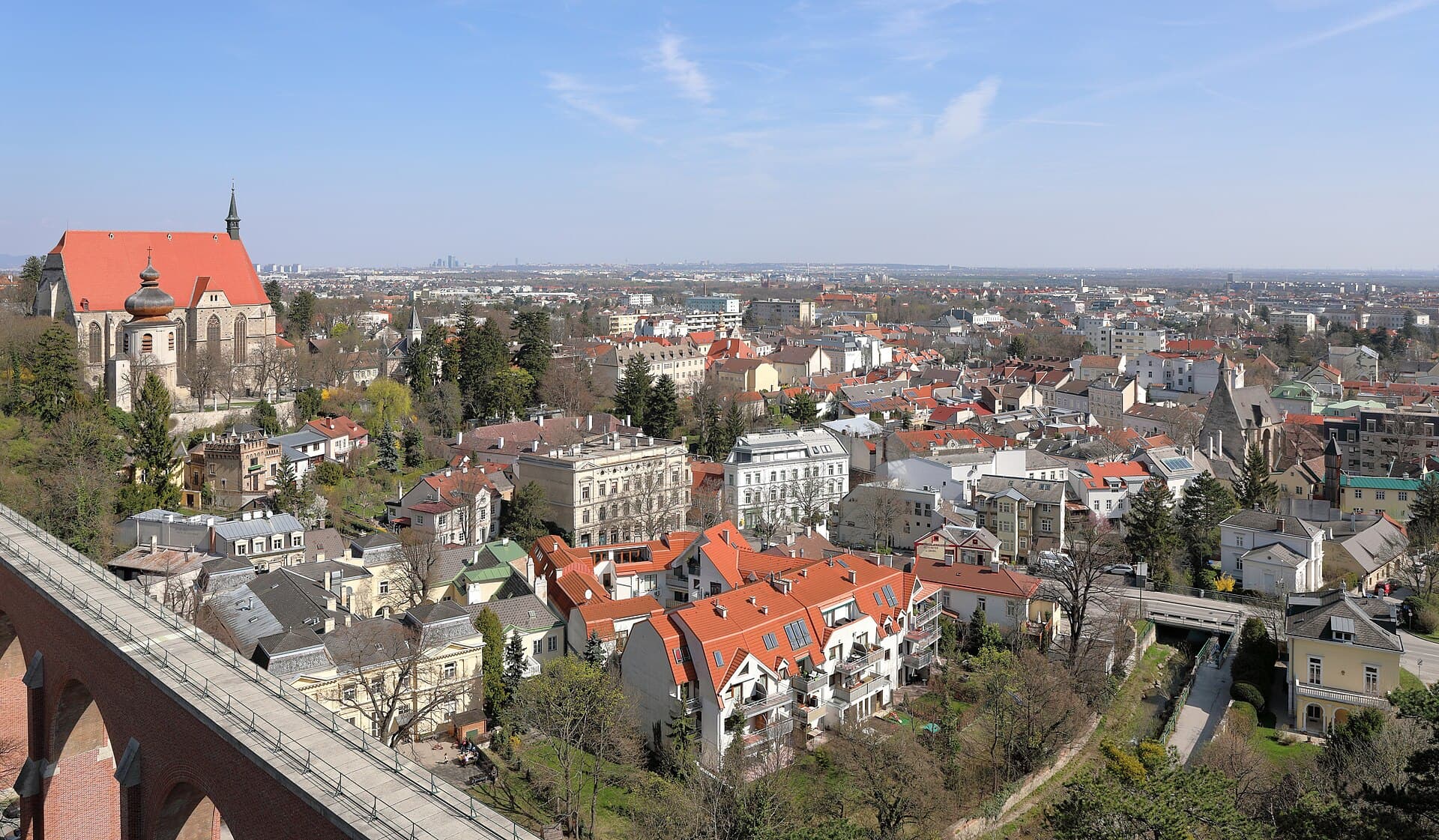 C.Stadler/Bwag / CC BY-SA 4.0, via Wikimedia Commons
Self-guided audio walking tour of Mödling — GPS route, offline playback, story-driven narration in 32 languages.
“Where Vienna's elegance meets ancient echoes and the Vienna Woods' embrace.”
Not the postcards. The stories even locals don't know — whispered in your ear, right where they happened.
Beneath the unassuming surface near Mödling lies Europe's largest underground lake, but its tranquil waters conceal a darker, wartime secret.
Before Vienna's grand tram network dominated, a quiet revolution in electric transport began right here in Mödling.
A striking tower overlooks Mödling, yet its name is a bit of a misnomer, and you can't actually go inside.
Discover every secret of Mödling
Every address, every reveal in full — in your ear, right where it happened.
You pick your stops. You walk. The voice reveals what the others miss.
Your self-guided audio tour of Mödling is ready — pick your landmarks, choose your language, and start the moment you arrive.
BuyLume has a built-in augmented-reality guide. Hold your phone up and its camera shows the street ahead of you, with a glowing arrow laid over the real view that always points to your next stop — no map to puzzle over, no wrong turns. Like everything in Lume, it works fully offline.
Just south of Vienna, where the Vienna Woods meet the Vienna Basin, lies Mödling, a town that effortlessly blends imperial grandeur with the charm of a smaller community. Known affectionately as the 'Babenbergerstadt'—the City of the Babenbergs—it carries the legacy of a powerful medieval dynasty. Mödling offers a captivating escape from the urban bustle, inviting you to wander through its historic center, explore ancient ruins, and immerse yourself in the serene landscapes of the surrounding Föhrenberge Nature Park.
This Austrian destination is a place where every paving stone and ancient wall tells a story, from Roman military camps to the musings of great composers. Mödling's picturesque setting, with its vineyards and hiking trails, provides a perfect backdrop for both historical exploration and outdoor adventures. Whether you're a history enthusiast, a nature lover, or simply seeking a tranquil retreat, Mödling promises a rich and varied experience.
Beyond its visible beauty, Mödling holds a surprising depth of lesser-known tales and pioneering achievements, from its early embrace of electric transport to its unexpected wartime secrets. It's a place where the past isn't just preserved; it subtly reveals itself to those who look a little closer.
Mödling's roots stretch back to Roman times, initially serving as a military camp known as 'Modolica.' The town first appears in written records as 'Medilihha' in 903 CE, though the settlement seems to have been destroyed shortly after in 907. Following the Battle of Lechfeld, resettlement began, and Mödling eventually became home to a branch of the powerful Babenberg family. In the 12th century, the local nobility, the Counts of Mödling, erected Burg Mödling, a formidable castle that served as both a residence and a fortress.
Under the rule of Henry the Elder, son of Henry II Jasomirgott, Mödling flourished, becoming a significant cultural and economic center. The castle became a hub for arts, hosting renowned minnesingers like Walther von der Vogelweide. In 1343, Mödling was granted market town rights by Duke Albrecht II.
The town faced considerable challenges throughout its history. In 1529, during the first Ottoman siege of Vienna, Mödling was devastated. A second Ottoman invasion in 1683 resulted in the tragic loss of almost all its citizens. The Black Death also struck Mödling, with a severe epidemic in 1679 leading to many deaths. Survivors of a later, less deadly outbreak built the Holy Trinity monument at Freiheitsplatz.
Despite these hardships, Mödling persevered. The 19th century brought rapid industrialization and urbanization, leading to a significant population boom and the construction of new factories and housing. It was also a period that attracted artistic luminaries; Ludwig van Beethoven frequently visited his favorite pub, the Two Ravens, in Mödling and composed part of his Missa Solemnis here between 1818 and 1819. Arnold Schoenberg, the influential composer, lived in Mödling from 1918 to 1925, where he developed his groundbreaking twelve-tone technique.
Mödling was officially designated a city on November 18, 1875. A notable innovation in its history was the Mödling and Hinterbrühl Tram, Austria's first electric railway, which operated from 1883 to 1932. In 1938, after the Anschluss, Mödling was incorporated into Vienna as its 24th district, but it regained its status as part of Lower Austria in 1954. Today, Mödling is a lively town that harmoniously blends its enduring past with modern life, offering a unique cultural experience just a short distance from Vienna.
Mödling's charm lies in its pedestrian-friendly Old Town, a delightful area to explore on foot. The historic town center is home to many well-preserved buildings, including the 18th-century Town Hall. The St. Othmar Church, an early Gothic structure with a 13th-century tower, is a significant landmark, notably built on the foundations of six earlier churches.
Overlooking the town are the Mödling Castle Ruins, once a grand Babenberg residence and one of Austria's largest castle complexes. While largely in ruins, its imposing arches and foundation walls offer a tangible link to medieval history and expansive views. A short distance away, Liechtenstein Castle stands prominently on a hilltop. This medieval fortress, owned by the Liechtenstein family since the 16th century, is open to visitors and offers insights into the family's history and lifestyle.
For those interested in the town's artistic connections, the Beethoven Memorial Museum in the Hafnerhaus commemorates the composer's stays in Mödling. The Schönberg-Haus preserves the original living and workspace of composer Arnold Schoenberg. The Museum Mödling at Thonetschlössl showcases archaeological finds from Roman to medieval times, as well as regional history.
The surrounding Föhrenberge Nature Park and the Vienna Woods offer numerous hiking and biking trails, providing sweeping views of the town and the Vienna Basin. Do not miss the Black Tower (Schwarzer Turm), an observation tower built in the early 19th century, offering impressive vistas.
Mödling is a delightful destination year-round, with each season offering a unique experience. For the most comfortable weather, ideal for exploring the town on foot and enjoying outdoor activities like hiking, the best months to visit are May, June, July, August, and September. During these summer months, daytime highs typically reach around 25-27°C (77-81°F).
The 'Wine Autumn,' from August to October, is particularly recommended for those interested in Mödling's viticultural heritage, with local vineyards and wine taverns in full swing. Spring (March to May) offers mild weather and blossoming scenery with fewer crowds, making it excellent for nature walks and city excursions. While winters are cold with freezing nights, December brings festive Christmas markets to Austria, adding a magical touch to the region.
Mödling is conveniently located approximately 15 km (9 miles) south of Vienna, making it an easy day trip or a relaxing longer stay. It is well-connected by public transport, with regular train services enhancing its accessibility to Vienna and the surrounding regions. The town's relatively small size makes it easy to navigate, and its charming Old Town is best explored on foot.
For outdoor activities, comfortable shoes are recommended, especially if you plan to hike the trails in the Vienna Woods or around the castle ruins, as some paths involve uneven ground. Mödling offers a range of accommodation options and numerous restaurants to suit various preferences. The local economy thrives on a mix of small businesses, trade, and tourism, ensuring a welcoming atmosphere for visitors.
Mödling in Korean, in Chinese or in Hebrew — and 29 more languages, every stop narrated by a native voice. The widest language range of any self-guided audio tour.
Available in: