Ayuntamiento de Montville
Antes de ser un lugar de reunión comunitaria, el Ayuntamiento de Montville tenía un propósito diferente, quizás más académico.
La historia completa se desbloquea en el tour
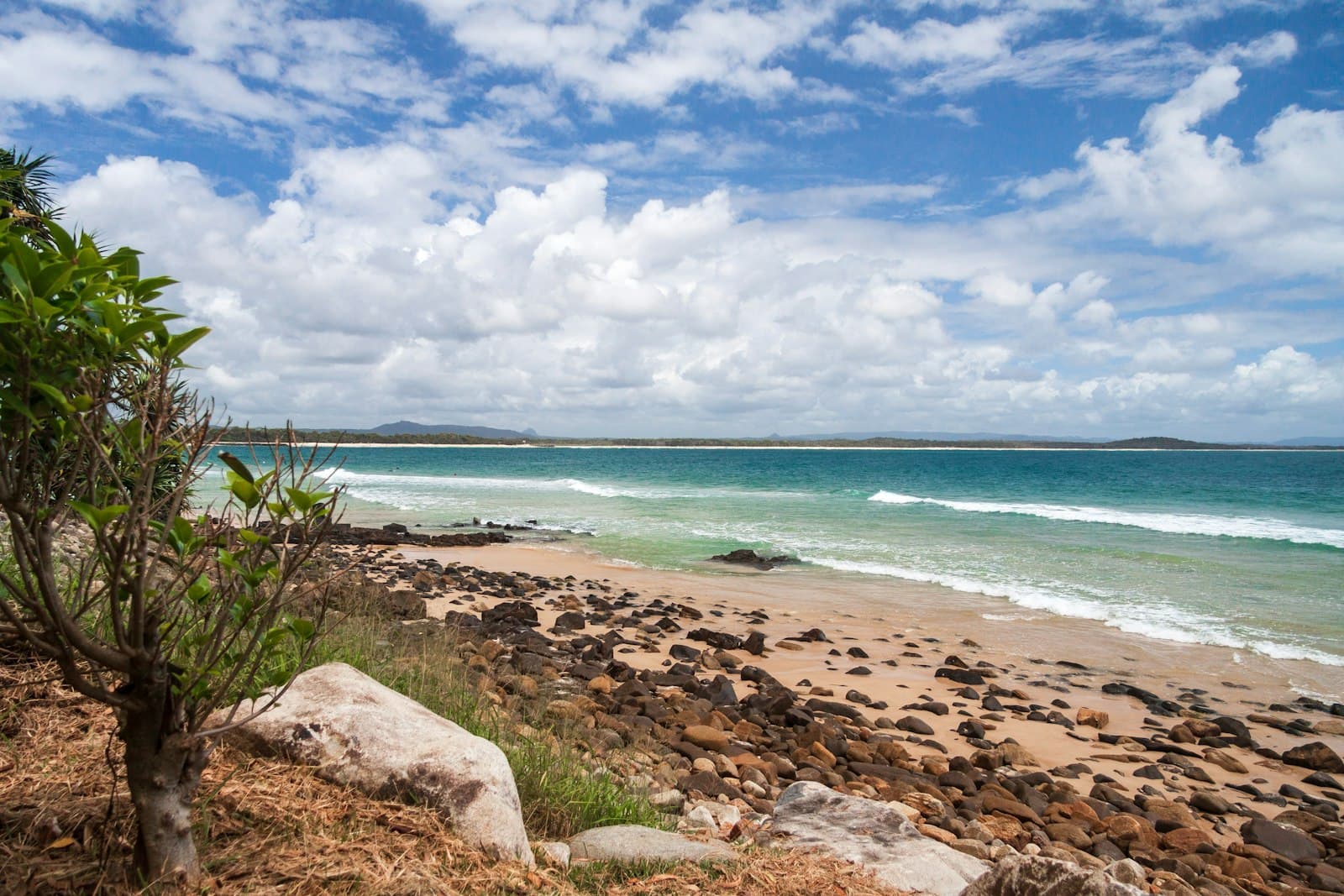 Photo: Yulia Ryding / Unsplash
Tour de audio autoguiado de Montville — ruta GPS a pie, reproducción offline, narración en 32 idiomas.
“Donde la niebla de la montaña se encuentra con los sueños artesanos.”
No las postales. Las historias que ni los locales conocen — al oído, justo donde ocurrieron.
Antes de ser un lugar de reunión comunitaria, el Ayuntamiento de Montville tenía un propósito diferente, quizás más académico.
La encantadora arquitectura de inspiración europea de Main Street en Montville no siempre fue el estilo definitorio del pueblo.
Montville no siempre fue Montville; su nombre inicial era un reflejo agudo de su topografía.
Descubre todos los secretos de Montville
Cada dirección, cada revelación al completo — a tu oído, justo donde ocurrió.
Eliges tus paradas. Caminas. La voz te revela lo que los demás ignoran.

Tu tour de audioguía por Montville te espera — elige tus lugares, tu idioma y empieza al llegar.
ComprarLume incluye una guía de realidad aumentada. Levanta el móvil y su cámara muestra la calle que tienes delante, con una flecha luminosa sobre la imagen real que siempre apunta a tu próxima parada — sin mapas que descifrar, sin giros equivocados. Como todo en Lume, funciona completamente sin conexión.
Montville, Australia, se asienta en la Cordillera de Blackall en el interior de la Costa del Sol, ofreciendo un escape refrescante a aproximadamente 400 metros sobre el nivel del mar. Esta elevación proporciona un clima templado y vistas expansivas que se extienden a través de las ondulantes colinas verdes hasta el Océano Pacífico. Montville se erige como un destino donde la belleza natural converge con una floreciente escena de artes y oficios, atrayendo tanto a excursionistas como a aquellos que buscan un retiro más largo.
El pueblo irradia un carácter distintivo, con su calle principal mostrando una mezcla de estilos arquitectónicos, desde casas de campo Tudor e irlandesas hasta chalets suizos y casas tradicionales de Queenslander. Los visitantes pueden pasar horas explorando tiendas de artesanos, galerías de arte y cafeterías, o simplemente absorbiendo la atmósfera relajada. Más allá del pueblo, los parques nacionales circundantes y el sereno Lago Baroon presentan oportunidades para aventuras al aire libre, desde senderismo hasta tranquilas actividades junto al lago.
La historia de Montville se remonta a finales de la década de 1880, cuando llegaron los primeros colonos no indígenas, incluidos Peter e Isabella Weitemeyer, en 1887. Antes del asentamiento permanente, el área experimentó una extensa tala, con 'toboganes' o 'rampas' de madera utilizados para transportar troncos montaña abajo hasta los aserraderos. Maderas valiosas, como el cedro rojo, la haya, el aro y los árboles bunya, formaron una industria significativa.
Inicialmente, la tierra se utilizó principalmente para plantaciones, produciendo plátanos, naranjas, piñas, macadamias, aguacates y fresas, lo que proporcionó un ingreso sustancial para las primeras familias. El pueblo, originalmente conocido como Razorback, fue renombrado Montville en 1897, un nombre posiblemente acuñado por el tendero Henry Smith, cuya madre encontró que el área le recordaba a Montville, EE. UU. Smith fue un emprendedor temprano, estableciendo la primera tienda, oficina de correos e incluso una línea telefónica privada.
A principios del siglo XX, Montville comenzó a desarrollarse como un pueblo, con una escuela provisional establecida en 1896 (que más tarde se convertiría en la Escuela Estatal de Montville) y un edificio de escuela de artes erigido en 1903, ahora el Montville Hall. El tranvía de Moreton Mill también se extendió a Montville, facilitando el transporte de mercancías e incluso ofreciendo excursiones de un día para visitantes de Brisbane. En la década de 1920, Montville se había convertido en un próspero pueblo agrícola y un popular destino de vacaciones, con numerosas casas de huéspedes. Sin embargo, desafortunadamente, extensos incendios forestales dañaron muchos edificios originales.
La década de 1970 marcó un cambio significativo, ya que Montville pasó de ser una comunidad predominantemente maderera y agrícola a un creciente destino turístico. Las carreteras mejoradas hicieron que el área fuera más accesible para excursiones de un día desde la costa y Brisbane, lo que llevó a un mayor desarrollo comercial y crecimiento demográfico. Hoy en día, la historia de Montville se conserva en sitios de patrimonio cultural como el Montville Village Hall y la Iglesia Unida (originalmente una iglesia metodista construida en 1912), que también cuenta con uno de los cementerios más antiguos de la región.
La calle principal de Montville es una atracción central, invitando a los visitantes a pasear por sus galerías, tiendas y cafeterías únicas. The Clock Shop, ubicada en un icónico edificio inspirado en un chalet alemán, es una parada notable, llena de relojes de cuco y de pie. Los entusiastas del arte pueden explorar la Montville Art Gallery, que exhibe obras de numerosos artistas galardonados en una casa de estilo Queenslander de la década de 1920, o Illume Creations para esculturas de vidrio. Para los golosos, Fudgyboombahs y Chocolate Country ofrecen deliciosos dulces.
Más allá del pueblo, el Parque Nacional Kondalilla, llamado así por una palabra aborigen que significa 'aguas que se precipitan', cuenta con una magnífica cascada, pozas de roca y senderos a través de la selva tropical y los bosques de eucaliptos. El lago Baroon (Baroon Pocket Dam) ofrece un pintoresco entorno para picnics, barbacoas, kayak y pesca, con oportunidades para avistar vida silvestre como koalas y canguros a lo largo de su orilla. Para disfrutar de vistas expansivas de la Costa del Sol y la Bahía de Moreton, Gerrard's Lookout es un lugar popular, especialmente al amanecer o al atardecer. Los amantes del vino pueden visitar Flame Hill Vineyard, conocido por sus vinos de la finca y su gastronomía de la granja a la mesa.
Montville goza de un clima templado durante todo el año debido a su elevación. El clima más agradable para explorar es típicamente de abril a noviembre, con temperaturas suaves y menos precipitaciones. Las máximas diurnas en julio, el mes más fresco, promedian alrededor de 21°C (70°F), mientras que enero, el más cálido, registra promedios de 30°C (86°F). Los inviernos son generalmente secos y soleados con noches frescas, perfectos para disfrutar de una chimenea en una cabaña. Aunque las precipitaciones promedian alrededor de 1700 mm anualmente, se concentran principalmente en períodos cortos de enero a marzo. El otoño (marzo, abril, mayo) ofrece temperaturas agradables y baja humedad, ideal para actividades al aire libre y para evitar las mayores multitudes invernales.
Montville se encuentra aproximadamente a 90 minutos en coche al norte de Brisbane, lo que lo convierte en una excursión de un día o una escapada de fin de semana accesible. El aeropuerto de Sunshine Coast está a unos 30 minutos. El Centro de Información Turística de Montville, ubicado en Main Street, ofrece mapas, folletos e información local de voluntarios expertos, junto con Wi-Fi gratuito. Hay aparcamiento público disponible detrás del centro, y también se proporciona aparcamiento dedicado para autocares.
Las opciones de alojamiento en Montville van desde casas de campo privadas y acogedoras cabañas hasta complejos turísticos de lujo y bed and breakfasts, que se adaptan a diversas preferencias y presupuestos. Muchos establecimientos ofrecen vistas panorámicas de la costa o una experiencia aislada en la selva tropical. Si bien generalmente no se permiten mascotas en los alojamientos, los perros guía registrados son una excepción. Es posible que haya acceso limitado a Wi-Fi en algunos alojamientos, pero Montville a menudo se considera un lugar para desconectarse y conectar con la naturaleza.
Montville en coreano, en chino o en hebreo — y 29 idiomas más, cada parada narrada por una voz nativa. La mayor variedad de idiomas de cualquier audioguía autoguiada.
Disponible en: