Quay Street
Rockhamptons elegante Uferstraße birgt ein Geheimnis, das ihre beeindruckende Größe erklärt, weit über das hinaus, was man von einer Regionalstadt erwarten würde.
Die ganze Geschichte wird in der Tour freigeschaltet
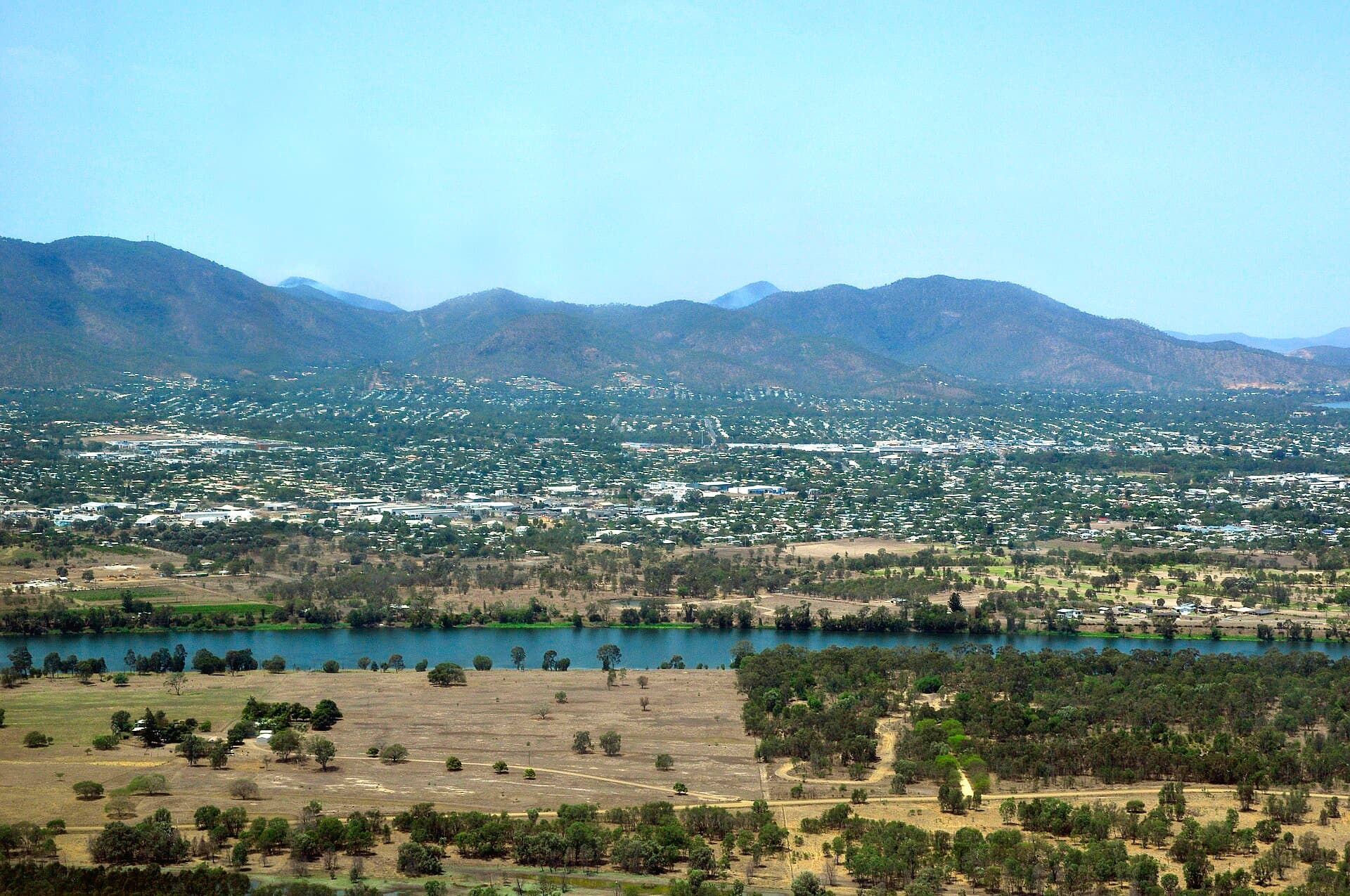 LBM1948 / CC BY-SA 4.0, via Wikimedia Commons
Selbstgeführte Audio-Walking-Tour durch Rockhampton — GPS-Route, Offline-Wiedergabe, erzählerische Narration in 32 Sprachen.
“Wo großartige viktorianische Architektur auf das wilde Herz von Queensland trifft.”
Nicht die Postkarten. Die Geschichten, die selbst Einheimische nicht kennen – dir ins Ohr geflüstert, genau dort, wo sie geschahen.
Rockhamptons elegante Uferstraße birgt ein Geheimnis, das ihre beeindruckende Größe erklärt, weit über das hinaus, was man von einer Regionalstadt erwarten würde.
Eines der ikonischsten Hotels von Rockhampton hat einige permanente, unsichtbare Bewohner, die gelegentlich auf sich aufmerksam machen.
Das preisgekrönte Kunstmuseum der Stadt hat eine subtile Verbindung zu seiner Vergangenheit, die direkt in seine Fundamente eingearbeitet ist.
Entdecke jedes Geheimnis von Rockhampton
Jede Adresse, jede Enthüllung vollständig – in deinem Ohr, genau dort, wo es geschah.
Du wählst deine Stationen. Du gehst. Die Stimme enthüllt, was andere übersehen.


Deine selbstgeführte Audio-Tour durch Rockhampton ist bereit – wähle deine Sehenswürdigkeiten, deine Sprache und starte, sobald du ankommst.
KaufenLume enthält einen integrierten Augmented-Reality-Guide. Halten Sie Ihr Handy hoch: Die Kamera zeigt die Straße vor Ihnen, mit einem leuchtenden Pfeil über dem echten Bild, der immer auf Ihren nächsten Stopp zeigt — keine Karte zum Rätseln, keine falschen Abzweigungen. Wie alles bei Lume funktioniert es komplett offline.
Rockhampton, liebevoll 'Rocky' von den Einheimischen genannt, ist eine Stadt in Central Queensland, Australien, am Fitzroy River gelegen. Sie liegt knapp nördlich des Steinbocks, wo tropische und gemäßigte Einflüsse in der natürlichen Umgebung aufeinandertreffen. Die Identität der Stadt ist tief mit ihrer Geschichte als wichtiger Hafen und ihrem anhaltenden Status als 'Beef Capital of Australia' verbunden, ein Erbe, das mit sieben großen Bullenstatuen in der ganzen Stadt gefeiert wird.
Über ihre landwirtschaftliche Stärke hinaus bietet Rockhampton eine überraschende Tiefe an kulturellen und historischen Erlebnissen. Ihre Straßen sind gesäumt von gut erhaltenen viktorianischen Gebäuden, ein Zeugnis des Reichtums, der während der Goldrausch-Ära generiert wurde. Die Stadt hat eine bedeutende Revitalisierung erfahren, insbesondere entlang ihres Riverside Precincts, das heute neben historischen Wahrzeichen auch moderne Restaurants und öffentliche Räume bietet. Besucher können alles von alten Kalksteinhöhlen bis hin zu weitläufigen botanischen Gärten erkunden, was Rockhampton zu einem Reiseziel macht, das seine Pioniervergangenheit mit einer lebendigen Gegenwart verbindet.
Das Land um Rockhampton ist seit mindestens 40.000 Jahren die Heimat der Darumbal Aborigines, die eine starke Verbindung zur Region pflegen. Die europäische Erkundung begann 1853 mit den Archer-Brüdern, die Weideland entlang des Fitzroy River suchten. Der Name der Stadt, Rockhampton, leitet sich von der 'Fels'-Barriere im Fitzroy River ab, die die Weiterfahrt flussaufwärts verhinderte, und vom altenglischen Wort 'hampton', was Stadt oder Dorf bedeutet.
Rockhampton wurde 1858 offiziell zur Stadt erklärt. Kurz darauf löste die Entdeckung von Gold in Canoona im Jahr 1859 den ersten Goldrausch Nordaustraliens aus, der Tausende von Prospektoren anzog und Rockhampton schnell in eine geschäftige Zeltstadt und einen wichtigen Hafen verwandelte. Auf diesen anfänglichen Boom folgte in den 1880er Jahren eine bedeutendere Goldentdeckung am Mount Morgan, die immensen Reichtum durch Rockhampton leitete und den Bau vieler prächtiger Ziegel- und Steingebäude finanzierte, die heute zu sehen sind. Während dieser Zeit war der Hafen von Rockhampton geschäftiger als der von Brisbane, exportierte Wolle und Gold.
Die wirtschaftliche Grundlage der Stadt diversifizierte sich auch schnell in die Landwirtschaft, insbesondere in die Rinderzucht. Die Lakes Creek Meatworks, gegründet 1871, begannen in den 1930er Jahren mit dem Export nach Europa und wurden zur größten Fleischverarbeitungsanlage der südlichen Hemisphäre. Bis 1970 hatte die Fitzroy Statistical Division die größte Rinderkonzentration in Australien, was Rockhamptons Titel als 'Beef Capital of Australia' festigte. Dieses Erbe wird alle drei Jahre mit der Beef Australia Expo gefeiert, einer wichtigen Branchenveranstaltung.
Rockhampton wurde 1902 zur Stadt proklamiert. Sie hat auch die Auszeichnung, die einzige Provinzstadt in Queensland zu sein, die eine Straßenbahn hatte, die 1909 dreißig Jahre lang in Betrieb war. Die Stadt hat auch Herausforderungen erlebt, insbesondere schwere Überschwemmungen durch den Fitzroy River, wobei die höchste verzeichnete Flut 1918 über 10 Meter erreichte. Trotz dieser Ereignisse hat sich Rockhampton kontinuierlich wieder aufgebaut und weiterentwickelt, wobei sie ihren historischen Charakter bewahrt und gleichzeitig moderne Entwicklungen angenommen hat.
Rockhampton bietet eine Mischung aus Erbe, Natur und einzigartigen lokalen Erlebnissen. Beginnen Sie mit einem Spaziergang entlang der Quay Street, die als längste denkmalgeschützte Straße Australiens anerkannt ist, wo Gebäude aus dem viktorianischen Zeitalter wie das Customs House und das Criterion Hotel den Wohlstand der Stadt aus der Goldrauschzeit zur Schau stellen. Das Riverside Precinct wurde revitalisiert und bietet schattige Spazierwege, Restaurants am Wasser und öffentliche Kunstwerke.
Für eine Dosis Natur ist der Rockhampton Botanic Gardens ein wichtiger Halt mit Banyan-Feigen, einem japanischen Garten und dem Rockhampton Zoo, der kostenlosen Eintritt bietet und Heimat von über 60 Tierarten ist. Fahren Sie zum Mount Archer National Park für weite Ausblicke, besonders bei Sonnenauf- oder -untergang, und erkunden Sie den Nurim Circuit Elevated Boardwalk.
Tauchen Sie in die einzigartige Geologie der Region in den Capricorn Caves ein, alte Kalksteinformationen, die geführte Touren anbieten, einschließlich der akustisch beeindruckenden Cathedral Cave. Um Rockhamptons Status als 'Beef Capital' zu verstehen, unternehmen Sie eine selbst geführte Tour zu den sieben Bullenstatuen, die über die Stadt verstreut sind und jeweils eine bedeutende Rinderrasse repräsentieren. Für einen tieferen Einblick in die Vergangenheit ist das Rockhampton Heritage Village ein Freilichtmuseum, das das Leben von 1850 bis 1950 zeigt. Das Rockhampton Museum of Art, ein kürzlich preisgekröntes Museum, beherbergt eine beeindruckende regionale Sammlung.
Rockhampton hat ein feuchtes subtropisches Klima mit heißen, feuchten Sommern und milden, relativ trockenen Wintern. Die besten Zeiten für Aktivitäten bei warmem Wetter sind von Mitte März bis Anfang Mai und von Mitte September bis Anfang Dezember, wenn die Temperaturen angenehm sind und der Niederschlag minimal ist. Der Winter von Juni bis August bietet ebenfalls milde Tage, ideal für die Erkundung von Attraktionen im Freien, obwohl die Abende kühl sein können. Die Stadt genießt jährlich rund 300 Sonnentage. Beachten Sie, dass der Sommer (Dezember-März) höhere Temperaturen und vermehrte Niederschläge mit sich bringen kann, manchmal verbunden mit tropischen Zyklonen, die zu Überschwemmungen führen können.
Rockhampton ist gut an das Straßennetz angebunden und liegt am Knotenpunkt der Bruce, Capricorn und Burnett Highways. Der Rockhampton Airport (ROK) bedient die Stadt, und viele Hotels bieten einen Shuttleservice an. Innerhalb der Stadt sind Mietwagenfahrten eine sichere Reisemöglichkeit. Für diejenigen, die einen längeren Aufenthalt oder einen Umzug in Erwägung ziehen, bietet Rockhampton vergleichsweise erschwinglichen Wohnraum. Das Stadtbild mit seinen breiten Straßen und Gassen macht es leicht zugänglich. Während viele Attraktionen wie die Botanischen Gärten und der Zoo kostenlos sind, fallen für einige, wie das Heritage Village und die Capricorn Caves, Eintrittsgebühren oder Tourkosten an. Es ist ratsam, die Öffnungszeiten zu überprüfen und Touren im Voraus zu buchen, insbesondere für beliebte Attraktionen. Planen Sie Ihre Fahrten immer, besonders wenn Sie lange Strecken fahren, und legen Sie Pausen ein, um Ermüdung vorzubeugen.
Rockhampton — Koreanisch, Chinesisch, Hebräisch und 29 weitere Sprachen, jede Station von einer muttersprachlichen Stimme erzählt. Die größte Sprachauswahl aller selbstgeführten Audiotouren.
Verfügbar auf: