La Cripta de Santa María la Mayor
Bajo la solemne Colegiata, un espacio poco visto guardaba más que polvo.
La historia completa se desbloquea en el tour
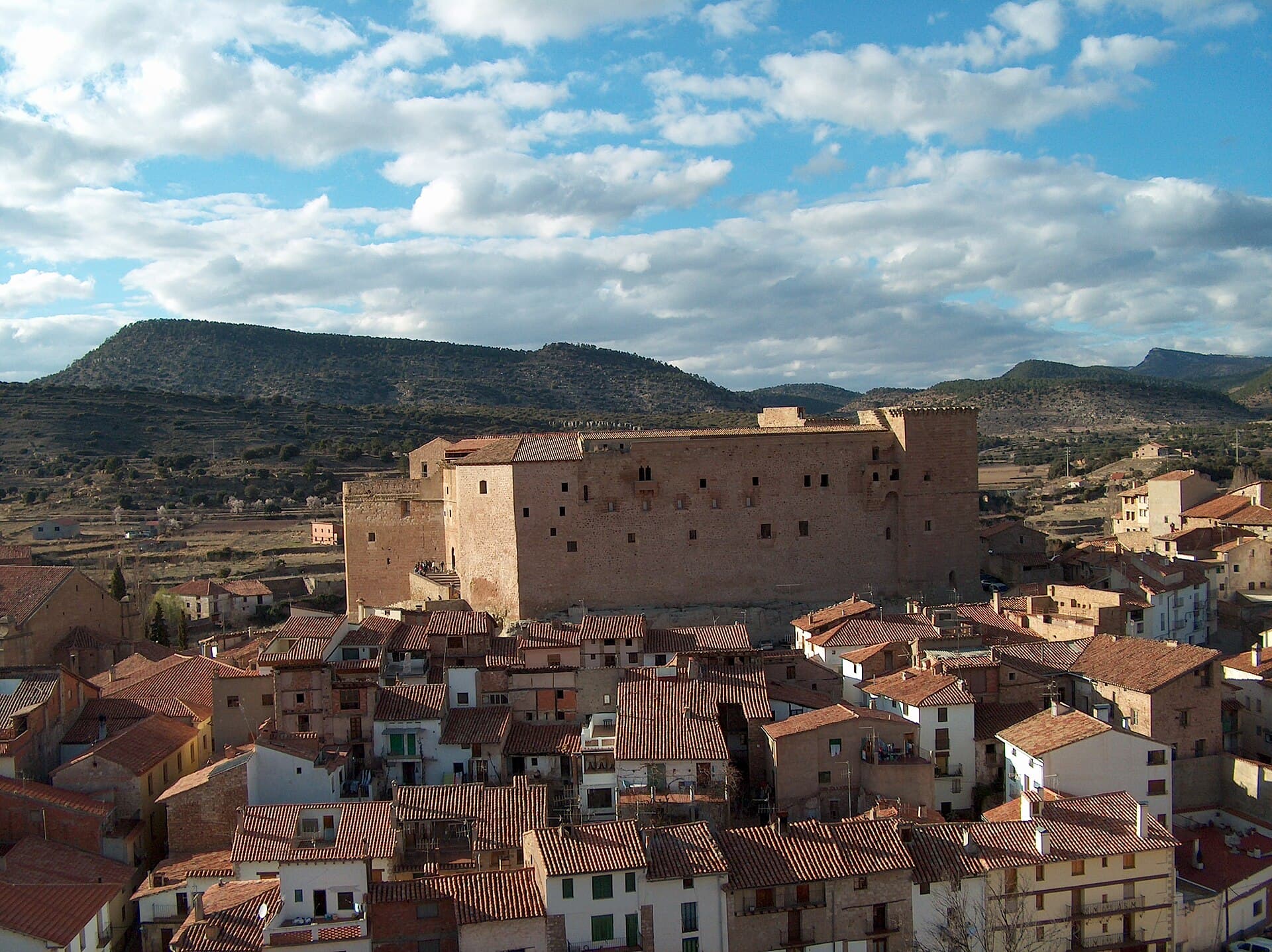 Millars / CC BY-SA 3.0 es, via Wikimedia Commons
Tour de audio autoguiado de Mora de Rubielos — ruta GPS a pie, reproducción offline, narración en 32 idiomas.
“Donde las piedras ancestrales relatan la perdurable narrativa de Aragón.”
No las postales. Las historias que ni los locales conocen — al oído, justo donde ocurrieron.
Bajo la solemne Colegiata, un espacio poco visto guardaba más que polvo.
En un pueblo célebre por su belleza, un lugar histórico cumplía una función sorprendentemente pública para los que se desviaban.
El viaje de un legendario héroe español serpentea por esta zona, atrayendo a más que solo historiadores.
Descubre todos los secretos de Mora de Rubielos
Cada dirección, cada revelación al completo — a tu oído, justo donde ocurrió.
Eliges tus paradas. Caminas. La voz te revela lo que los demás ignoran.
Tu tour de audioguía por Mora de Rubielos te espera — elige tus lugares, tu idioma y empieza al llegar.
ComprarLume incluye una guía de realidad aumentada. Levanta el móvil y su cámara muestra la calle que tienes delante, con una flecha luminosa sobre la imagen real que siempre apunta a tu próxima parada — sin mapas que descifrar, sin giros equivocados. Como todo en Lume, funciona completamente sin conexión.
Mora de Rubielos, el corazón de la comarca Gúdar-Javalambre en Teruel, Aragón, se erige como un testimonio del encanto medieval. Situada en la margen izquierda del río Mora, su horizonte está definido por un imponente castillo. Este pueblo, reconocido como Conjunto Histórico-Artístico, ha conservado cuidadosamente su estructura urbana medieval, incluyendo restos de sus murallas y antiguas puertas.
Adentrarse en Mora de Rubielos es una invitación a pasear por calles empedradas, admirar la arquitectura histórica y absorber una atmósfera que parece intacta por el paso del tiempo. La altitud del pueblo, de 1.035 metros, contribuye a un clima de media montaña, caracterizado por inviernos secos y fríos, y veranos suaves. Sus ofertas culturales y gastronómicas, incluyendo las trufas locales, lo convierten en un destino atractivo para quienes buscan una auténtica experiencia española.
Mora de Rubielos se menciona a menudo junto a su casi homónimo, Rubielos de Mora, a solo 12 kilómetros de distancia. Aunque comparten un hilo histórico similar, cada pueblo posee su propio carácter y atractivos distintivos, haciendo que la región sea propicia para el descubrimiento.
Los orígenes de Mora de Rubielos están profundamente entrelazados con la Reconquista medieval. Durante este período, el territorio fue recuperado por las fuerzas de Alfonso II. Hasta la toma de Rubielos en 1204, Mora de Rubielos sirvió como la posición cristiana más avanzada contra las fuerzas musulmanas en el Reino de Valencia. Esta importancia estratégica condujo a una serie de donaciones y ventas, configurando su temprano paisaje feudal.
En el siglo XIV, el pueblo vio la construcción de su icónico castillo, un magnífico ejemplo de arquitectura civil-militar gótica mediterránea, que sigue siendo uno de los mejor conservados del Reino de Aragón. Este período también dotó a Mora de Rubielos de otro edificio esencial de estilo gótico mediterráneo: la antigua colegiata de Santa María.
Aunque la Guerra de la Independencia y las Guerras Carlistas dejaron su huella, Mora de Rubielos desempeñó un papel significativo, aunque sombrío, durante la Guerra Civil Española. En una fase de la Batalla de Teruel (1937-1938), tras la caída de Andorra y Alcañiz, Mora de Rubielos se convirtió en la capital de la zona republicana. Un trágico episodio en enero de 1938 vio el fusilamiento de más de 50 hombres de la 84ª Brigada Mixta debido a insubordinación. En mayo de 1938, el territorio controlado por los republicanos en la provincia fue defendido por un complejo sistema de líneas escalonadas, que se extendía cien kilómetros, conocido como el Gran Arco de Mora Rubielos.
Hoy en día, Mora de Rubielos es reconocida por su conservación histórica, habiendo sido declarada Conjunto Histórico-Artístico. Su compromiso con el mantenimiento de su arquitectura única y su carácter medieval le valió un lugar entre los pueblos más bellos de España.
El patrimonio arquitectónico de Mora de Rubielos se extiende más allá de su castillo y colegiata. El pueblo presenta ejemplos de arquitectura civil, incluyendo su Ayuntamiento y varias casas solariegas. El pueblo también cuenta con cinco ermitas, que datan de los siglos XVII al XVIII, como La Dolorosa, Loreto (o Santa Lucía, que contiene lienzos del siglo XVII), San Roque, San Miguel y La Soledad. Estas estructuras, en conjunto, cuentan la historia del perdurable pasado de Mora de Rubielos, desde su importancia militar estratégica hasta su vida religiosa y cívica.
El monumento más destacado de Mora de Rubielos es el Castillo de Mora de Rubielos, una fortaleza del siglo XIV bien conservada que preside el pueblo desde un promontorio rocoso. Sus impresionantes murallas y torres ofrecen amplias vistas del paisaje circundante. En su interior, los visitantes pueden explorar varias salas, algunas con exposiciones de armas.
Otra maravilla arquitectónica significativa es la Ex-Colegiata de Santa María la Mayor. Esta iglesia de estilo gótico, construida en el siglo XIV, destaca por su llamativo campanario y sus intrincados detalles interiores. Su única nave alcanza una altura de 19 metros, una escala que realmente se aprecia una vez dentro. El coro presenta rejas del siglo XV, lo que aumenta su valor artístico.
Un paseo por el Casco Antiguo Medieval es esencial, permitiéndole deambular por encantadoras calles empedradas y admirar la arquitectura histórica. La estructura urbana medieval conservada del pueblo incluye restos de sus antiguas puertas de muralla, como Alcalá, Cabra, Rubielos y la nueva Rubielos. Además, el Puente Medieval que cruza el río Mora ofrece un entorno pintoresco. Para los interesados en la artesanía local, la cestería del pueblo es digna de mención.
Para disfrutar de un clima agradable adecuado para explorar las calles medievales y la belleza natural circundante, considere visitar Mora de Rubielos durante las temporadas intermedias de primavera (abril-mayo) u otoño (septiembre-octubre). Estos períodos ofrecen temperaturas más suaves y menos multitudes. Aunque el verano puede ser cálido, las noches suelen proporcionar un frescor agradable. El invierno trae frío, pero también un encanto diferente con menos visitantes, y la proximidad a estaciones de esquí como Javalambre y Valdelinares puede ser atractiva para los entusiastas de los deportes de invierno.
Mora de Rubielos es un pueblo transitable a pie, con la mayoría de las atracciones fácilmente accesibles. Sin embargo, se recomienda encarecidamente llevar calzado cómodo debido a las calles empedradas. Si planea explorar la región más amplia de Gúdar-Javalambre, alquilar un coche ofrece mayor flexibilidad. Tenga en cuenta que el estacionamiento dentro del pueblo puede ser limitado, especialmente durante períodos de alta afluencia, por lo que es posible que deba aparcar a poca distancia del centro.
Es aconsejable reservar alojamiento con antelación, especialmente durante los festivales locales, ya que los hoteles pueden llenarse rápidamente. El pueblo ofrece una buena experiencia cultural y gastronómica, con oportunidades para probar especialidades locales. La oficina de turismo local ofrece visitas guiadas que incluyen el casco antiguo, la colegiata y el castillo.
Mora de Rubielos en coreano, en chino o en hebreo — y 29 idiomas más, cada parada narrada por una voz nativa. La mayor variedad de idiomas de cualquier audioguía autoguiada.
Disponible en: