Une salle de bain royale au Deogarh Mahal
L'un des anciens résidents du palais avait un rituel de bain plutôt élaboré, menant à un choix de design surprenant dans ses appartements privés.
L'histoire complète se débloque dans le tour
 Lalatendu143 / CC BY-SA 4.0, via Wikimedia Commons
Visite audio autoguidée de Deogarh — parcours GPS à pied, lecture hors ligne, narration en 32 langues.
“Pierres ancestrales, gardiennes du temps et de la mémoire.”
Pas les cartes postales. Les histoires que même les habitants ignorent — soufflées à l'oreille, là où elles se sont passées.
L'un des anciens résidents du palais avait un rituel de bain plutôt élaboré, menant à un choix de design surprenant dans ses appartements privés.
Cet ancien temple hindou, dédié à Vishnu, détient une 'première' significative dans l'architecture des temples du Nord de l'Inde.
Ce fort, autrefois capitale du royaume Gond, est réputé pour avoir une voie d'évasion secrète.
Découvrez tous les secrets de Deogarh
Chaque adresse, chaque révélation en entier — dans ton oreille, là où elle s'est passée.
Tu choisis tes lieux. Tu marches. La voix te révèle ce que les autres ignorent.
Votre visite audioguidée de Deogarh vous attend — choisissez vos lieux, votre langue, et lancez-vous dès votre arrivée.
AcheterLume intègre un guide en réalité augmentée. Levez votre téléphone : sa caméra montre la rue devant vous, avec une flèche lumineuse posée sur l'image réelle qui pointe toujours vers votre prochain arrêt — aucune carte à déchiffrer, aucun mauvais virage. Comme tout dans Lume, ça fonctionne entièrement hors-ligne.
Deogarh, souvent appelée 'Devgarh', est une destination captivante en Inde, connue pour sa riche histoire, ses merveilles architecturales et ses paysages sereins. Bien que plusieurs lieux portent ce nom à travers l'Inde, deux d'entre eux se distinguent : Deogarh au Rajasthan, célébrée pour son héritage royal et le grandiose Deogarh Mahal, et Deogarh en Uttar Pradesh, un ancien site archéologique réputé pour ses temples de l'ère Gupta. Une troisième, Deogarh en Odisha, possède également une beauté historique et naturelle significative. Ce guide se concentre principalement sur les Deogarh historiquement importants du Rajasthan et de l'Uttar Pradesh, avec un clin d'œil aux faits intrigants de son homonyme en Odisha.
Au Rajasthan, Deogarh est une ville tranquille nichée au cœur des collines d'Aravalli, offrant une évasion paisible loin de l'agitation des villes. C'est un lieu où de grands palais, forts et havelis ornés de fresques complexes reflètent un héritage Rajputana. L'emplacement stratégique de la ville aux confins du Marwar, du Merwara et du Mewar, à une altitude de 2100 pieds, a façonné sa culture colorée et son importance historique. Pendant ce temps, Deogarh en Uttar Pradesh, située sur la rive droite de la rivière Betwa, est un trésor de monuments Gupta et Jain, y compris l'un des plus anciens temples hindous en pierre. Le nom 'Deogarh' lui-même, signifiant 'fort des Dieux', fait allusion à la signification divine et stratégique que ces lieux ont conservée pendant des siècles.
L'histoire de Deogarh est un récit complexe et fascinant, tissé à travers diverses dynasties et périodes culturelles significatives. Le nom 'Deogarh' ou 'Devgarh' lui-même, signifiant 'fort des Dieux', témoigne de son importance durable en tant que site fortifié et souvent sacré.
En Uttar Pradesh, l'histoire de Deogarh commence avec son emplacement stratégique sur d'anciennes routes commerciales, reliant le Nord de l'Inde au plateau du Deccan. Son importance archéologique remonte à la période Gupta (320-550 de notre ère), souvent appelée la 'période dorée' de l'histoire indienne, où les arts, la science et la littérature ont prospéré, et où les activités brahmaniques, bouddhistes et jaïnes ont prospéré. Le temple de Dashavatara, un temple hindou du début du VIe siècle dédié à Vishnu, témoigne du style architectural orné de Gupta, et est considéré comme l'un des plus anciens temples hindous en pierre subsistants avec un shikhara (tour). Après l'ère Gupta, la région a vu l'influence des Gurjara-Pratiharas au IXe siècle, des souverains Chandela au XIe siècle, puis des Gonds, des souverains musulmans de Delhi, des Marathes et des Britanniques.
Au Rajasthan, l'histoire de Deogarh est profondément liée à la famille royale Sisodia de Mewar. La famille de Deogarh, vénérée comme les 'Bhishma Pitamas de Chittor', retrace sa lignée jusqu'à Rawat Chunda, dont le fils Rawat Sanga Singh devint le premier roi de Deogarh. L'histoire de la fondation de Deogarh en 1382 implique un récit captivant d'honneur et d'abdication, où le prince Chunda renonça à son droit au trône de Mewar pour honorer son père, Maharana Lakha, qui épousa la princesse Hansa Bai. Cet acte conduisit Chunda à se tailler un nouveau domaine, et ses descendants, y compris le plus jeune, Deogarh, continuèrent à conquérir une vaste zone englobant près de 240 villages. En 1670 après J.-C., la famille s'installa à Deogarh, établissant le village et y résidant depuis. Le Deogarh Mahal, un palais du XVIIe siècle, a été transformé en hôtel patrimonial en 1994 par Rawal Nahar Singh, l'actuel propriétaire, mettant en valeur l'héritage durable et la grandeur architecturale de la région.
Deogarh en Odisha, historiquement connu sous le nom d'État princier de Bamanda, possède également un passé profond. La légende le relie au Ramayana, avec Lord Rama qui aurait posé son pied gauche sur cette terre pendant son exil. Cette région était connue pour ses souverains éclairés qui étaient des mécènes de l'art, de la science et de la littérature, publiant même le magazine historique 'Salampur Hitaishini' en 1889, qui a considérablement contribué à la littérature Odia. Remarquablement, au début des années 1900, le roi visionnaire Basudeb Sudhal Deb a établi une ligne téléphonique de 125 km de long, un record pour l'Inde à l'époque, et l'État avait même sa propre monnaie et ses timbres-poste pendant l'ère britannique.
Commencez votre exploration au Deogarh Mahal au Rajasthan, un grand palais du XVIIe siècle qui fonctionne désormais comme un hôtel patrimonial. Son architecture et ses vues imprenables sur la ville et les lacs environnants sont un point fort. Faites une visite guidée pour plonger dans son histoire et admirer l'artisanat complexe. Pour une perspective unique, envisagez une activité Rural Rail, un trajet en train à voie métrique sur des voies britanniques datant des années 1930, offrant des vues sur les collines d'Aravalli et les plaines du Marwar.
En Uttar Pradesh, le Temple de Dashavatara est un lieu à découvrir. Ce temple hindou du début du VIe siècle, dédié à Vishnu, est un excellent exemple de l'architecture de la période Gupta, avec des sculptures complexes représentant diverses divinités et des scènes des épopées hindoues. À proximité, explorez le groupe de temples jaïns à l'intérieur du fort, certains datant du VIIIe ou IXe siècle, connus pour leur architecture de style Nagara et leurs fresques murales. Le Fort de Deogarh à Chhindwara, Madhya Pradesh, offre également une intrigue historique avec son architecture d'influence moghole et le curieux réservoir 'Mortitanka'.
Au-delà des grandes structures, plongez dans la culture locale avec une promenade dans le village ou un safari villageois pour découvrir la vie rurale et interagir avec les habitants. L'observation des oiseaux est une autre activité populaire autour des lacs de Deogarh, qui abritent des oiseaux migrateurs colorés. Visitez le Kunjbihari Mandir, connu pour sa colonie de chauves-souris résidentes, et le temple d'Anjaneshwar Mahadev avec son Shivalinga formé naturellement. Pour ceux qui s'intéressent à l'histoire tribale, le musée tribal de Chhindwara offre un aperçu des différents groupes tribaux du Madhya Pradesh.
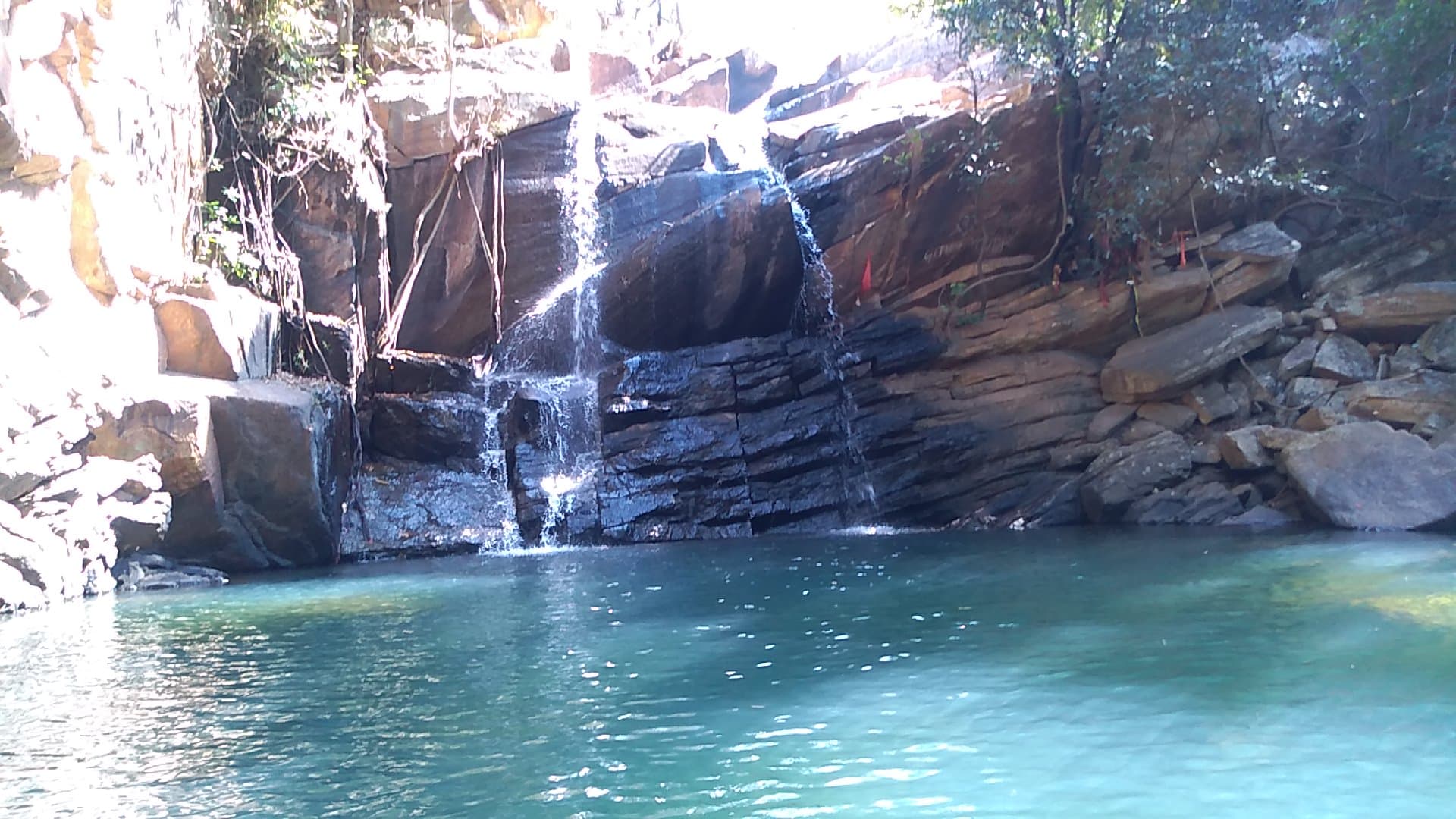
La période idéale pour visiter Deogarh, que ce soit au Rajasthan ou en Uttar Pradesh, se situe pendant les mois les plus frais, d'octobre à mars. Durant cette période, le temps est agréable, avec des températures allant de 10 à 25 degrés Celsius, ce qui est parfait pour les visites touristiques et les activités de plein air. Les soirées d'hiver sur les remparts du palais sont particulièrement fraîches et calmes. Évitez les mois d'été d'avril à juin, car les températures peuvent monter jusqu'à 40-45 degrés Celsius, rendant l'exploration inconfortable. La saison de la mousson, de juillet à septembre, apporte une verdure luxuriante et peut être magnifique, surtout pour observer les cascades à Deogarh, Odisha, mais les routes de montagne peuvent être plus lentes.
Deogarh est bien desservie par la route. Si vous vous rendez à Deogarh, Rajasthan, l'aéroport le plus proche est Udaipur (aéroport de Dabok), à environ 135 km, d'où vous pouvez louer un taxi ou prendre un bus. Udaipur est à environ 2,5 à 3 heures en voiture via la NH58. La gare principale la plus proche pour Deogarh, Rajasthan, est Marwar Junction, à environ 70 km, qui offre de bonnes correspondances vers les grandes villes indiennes. Deogarh Madaria dispose d'une gare plus petite avec une connectivité limitée. Pour Deogarh, Uttar Pradesh, la gare la plus proche est Lalitpur. Bien que Deogarh soit généralement considérée comme sûre pour les touristes, il est toujours sage d'être conscient de votre environnement et de prendre des précautions de sécurité de base. La langue locale parlée est le rajasthani, et l'hindi est largement compris. Les distributeurs automatiques de billets peuvent être limités, il est donc recommandé d'emporter suffisamment d'argent liquide. L'accès à Internet est généralement disponible dans les hôtels patrimoniaux et les maisons d'hôtes. Deogarh est connue pour ses peintures miniatures, son artisanat et ses textiles, qui constituent d'excellents souvenirs.
Deogarh en coréen, en chinois ou en hébreu — et dans 29 autres langues, chaque étape narrée par une voix native. La plus large gamme de langues de tous les audioguides autoguidés.
Disponible en :