Krampusnacht
In Austrian Alpine villages, Saint Nicholas does not arrive alone; he is accompanied by a horned, half-goat, half-demon figure.
Full story unlocks in the tour
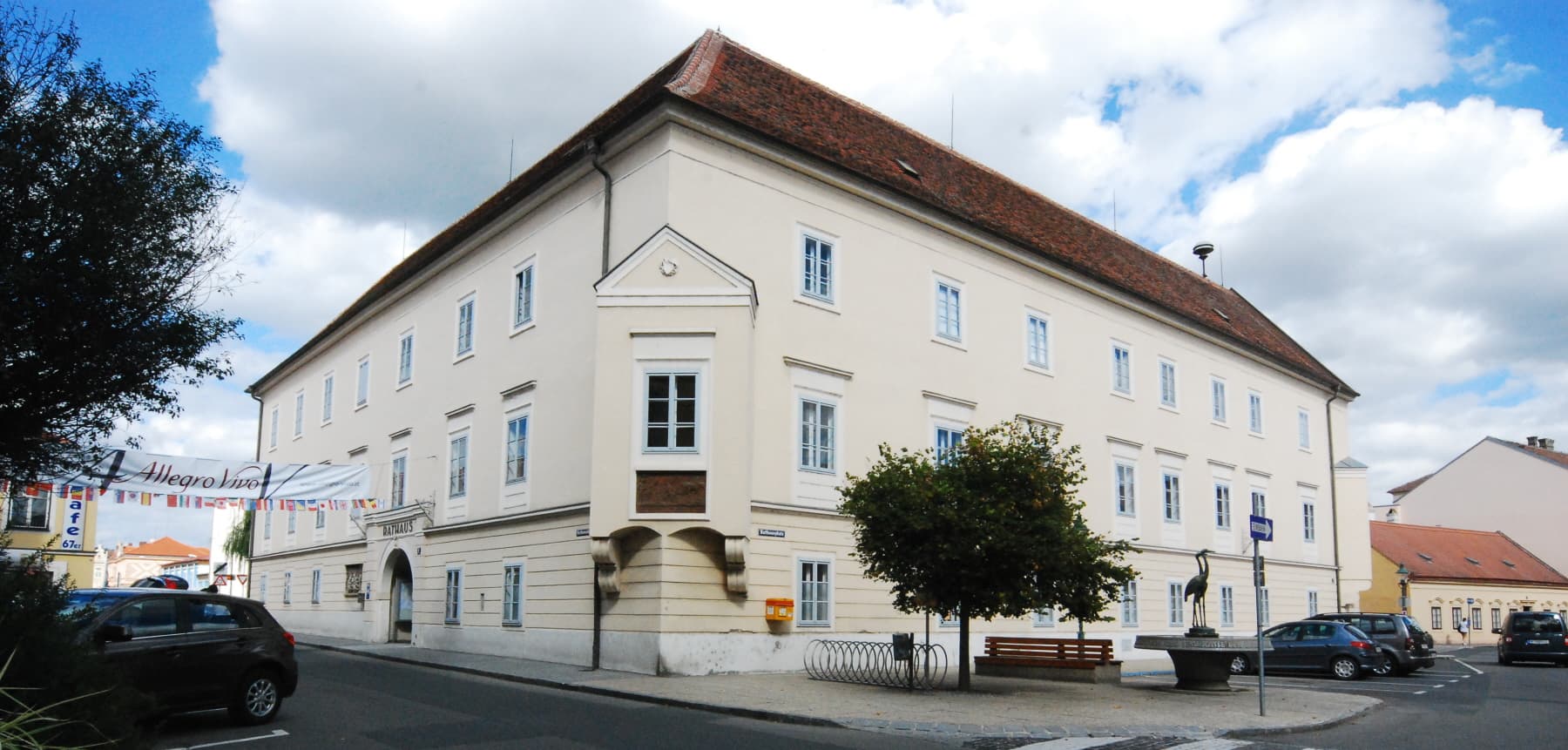 GuentherZ (talk) / CC BY 3.0, via Wikimedia Commons
Self-guided audio walking tour of Horn — GPS route, offline playback, story-driven narration in 32 languages.
“Where ancient walls echo with tales of ingenuity and defiance.”
Not the postcards. The stories even locals don't know — whispered in your ear, right where they happened.
In Austrian Alpine villages, Saint Nicholas does not arrive alone; he is accompanied by a horned, half-goat, half-demon figure.
Discover every secret of Horn
Every address, every reveal in full — in your ear, right where it happened.
You pick your stops. You walk. The voice reveals what the others miss.
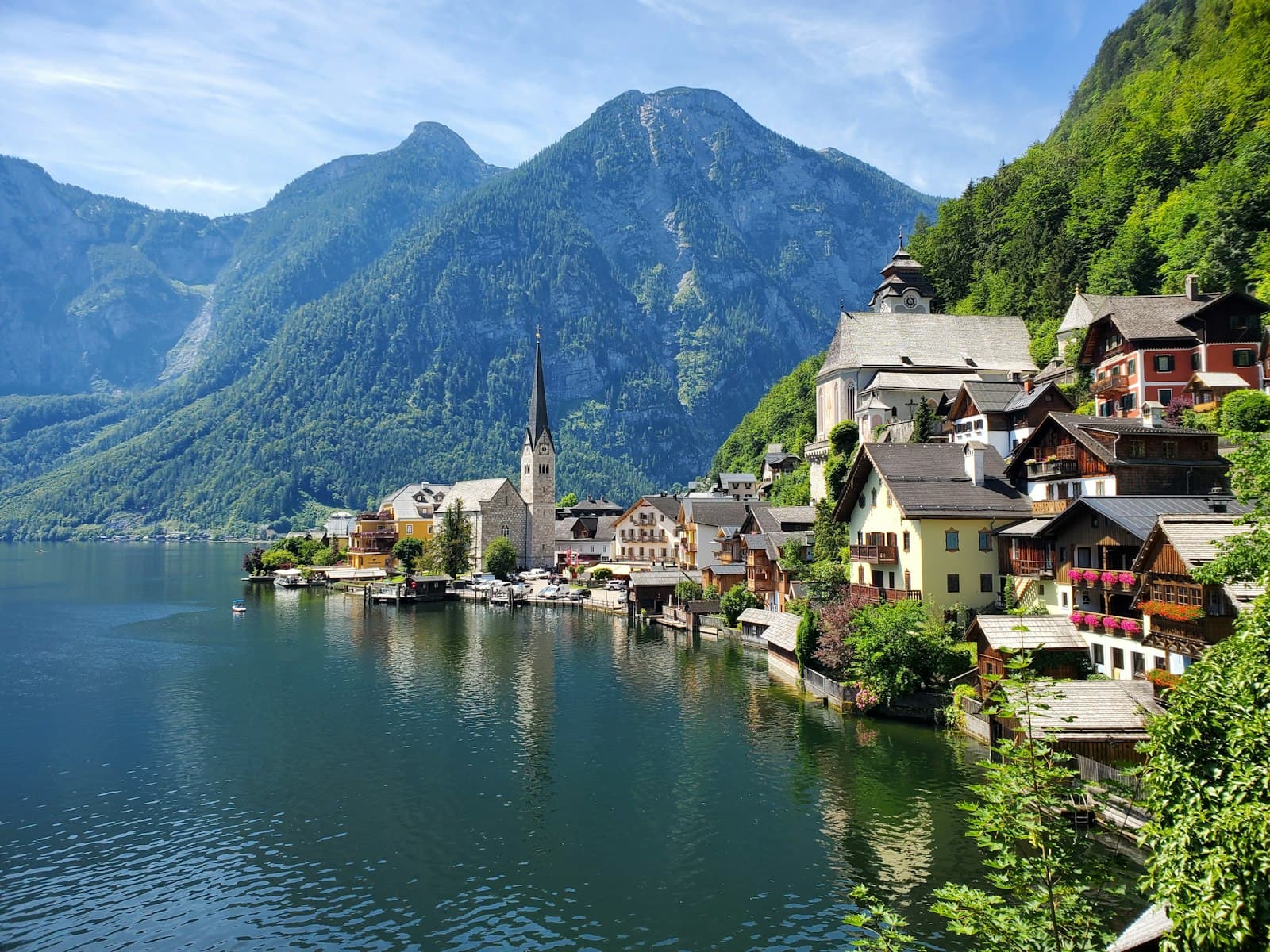
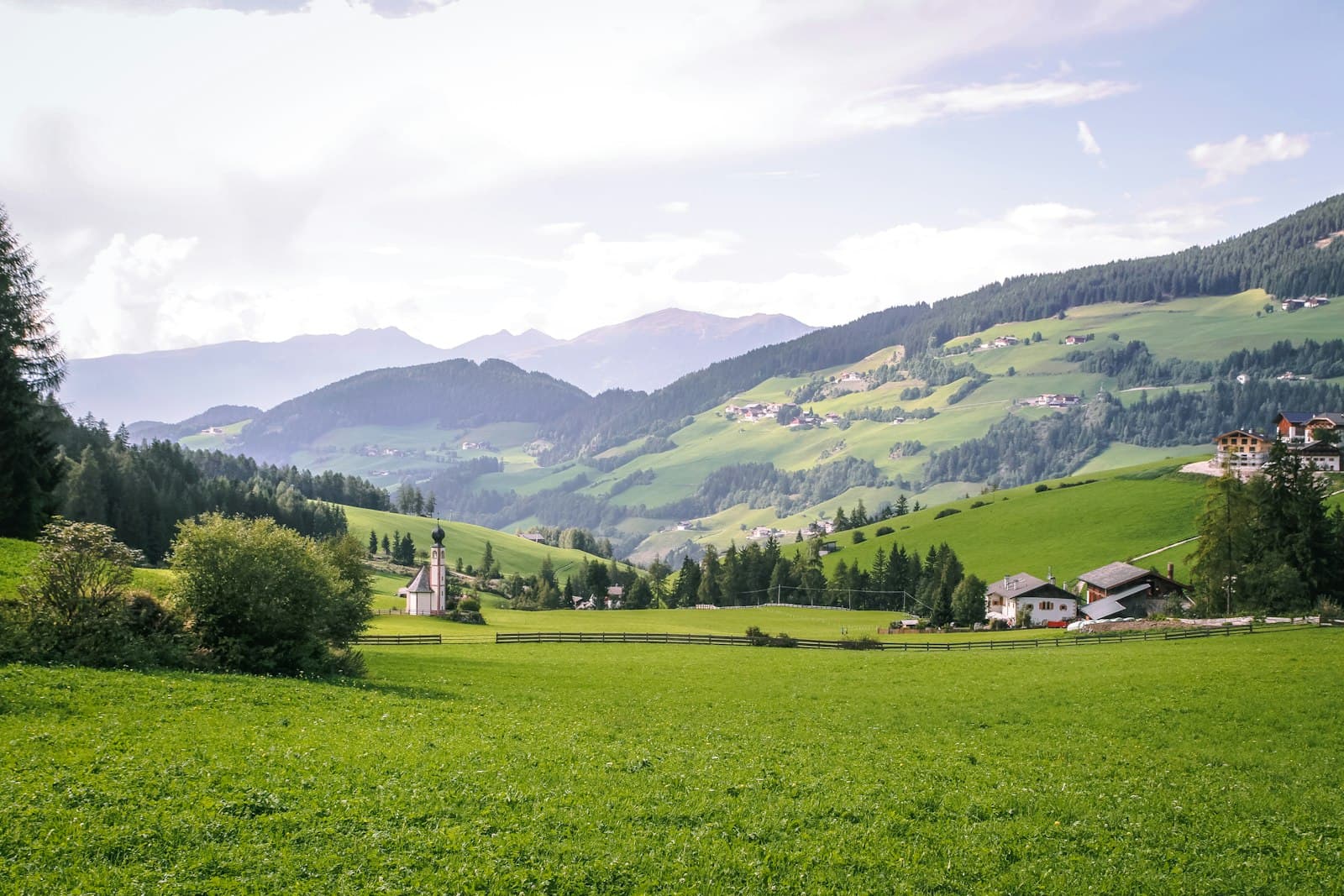

Your self-guided audio tour of Horn is ready — pick your landmarks, choose your language, and start the moment you arrive.
BuyLume has a built-in augmented-reality guide. Hold your phone up and its camera shows the street ahead of you, with a glowing arrow laid over the real view that always points to your next stop — no map to puzzle over, no wrong turns. Like everything in Lume, it works fully offline.
Horn, a graceful town in the Waldviertel region of Lower Austria, serves as the administrative heart for its district. Situated on elevated terrain, it is a place where history is etched into the very fabric of its streets and structures. While it may not always be a primary tourist magnet, those who journey here discover a delightful and walkable town with a concentrated center, where main buildings and shops are readily accessible.
Beyond its administrative function, Horn offers a window into regional heritage, from its well-preserved city walls to unique architectural details like the Sgraffitohaus. The town's surrounding district also abounds with historical landmarks, natural features, and cultural sites, providing a varied array of experiences for inquisitive travelers. Whether exploring ancient ruins or delving into local museums, Horn and its environs offer a rewarding expedition into Austria's past and present.
For those seeking a deeper understanding of the region, Horn's local museum houses one of Lower Austria's most expansive prehistory exhibitions, alongside displays exploring local agriculture. This fusion of historical depth and natural beauty makes Horn a compelling stop for anyone interested in the lesser-explored corners of Austria.
## From Neolithic Settlements to Political Leagues Horn's narrative extends back to the Neolithic Age, a testament to the fertile plains and favorable climate that have long drawn settlers to this region. The very ground beneath your feet holds echoes of early human activity, marking it as a place of continuous habitation for millennia.
## The League of Horn Moving forward to 1608, Horn played a significant part in a pivotal moment of Austrian history. During the Counter-Reformation, Protestant nobles formed the League of Horn within the town. This league was established to negotiate religious freedoms with the emperor, solidifying Horn's position as a center for regional influence and political discourse.
## Outlaws and Fortifications The town's past also includes stories of figures like Johann Georg Grasel, a historical adventurer and outlaw, whose narrative is connected to the Grass Tower. Horn was a fortified town, and its city walls, though now integrated with modern buildings, still bear witness to its defensive past. These walls, with their well-preserved rectangular battlements, offer an impressive reminder of earlier eras.
## A Railway's Delayed Arrival The arrival of the railway brought substantial economic shifts to many towns, but Horn's connection was not straightforward. Initial proposals to link Horn to the Franz Josefs Bahn line encountered local objections and were not realized. It was only when the economic advantages of rail travel became undeniable in other communities that efforts were made to bring a connection to Horn, eventually occurring during the construction of the Kamptalbahn.
## Preserving the Past Today, Horn continues to honor its history. The Höbarth Museum, centrally located, houses one of Lower Austria's most important prehistoric collections, alongside an agricultural collection. This dedication to preserving and presenting its rich past ensures that Horn remains a captivating destination for those eager to explore Austria's diverse heritage.
Begin your exploration with a walk through Horn's historic center, where a concentrated layout makes navigation on foot effortless. Observe the Sgraffitohaus, a building adorned with traditional scratched and painted facade decorations, offering a glimpse into local craftwork. Discover remnants of the old city walls, some sections still well-preserved, hinting at Horn's fortified past. The Grass Tower, connected to the regional outlaw Johann Georg Grasel, presents a unique historical point of interest, even containing a documentary cinema about him.
For a deeper immersion into the region's past, visit the Höbarth Museum, which contains one of Lower Austria's most significant prehistoric exhibitions, alongside an agricultural collection. Just a 15-minute walk from the train station, it is an accessible and informative stop. Venture slightly beyond the town to discover the impressive medieval ruins of Kollmitz Castle, situated above the Thaya river. While exploring the broader Horn District, consider a visit to Rosenburg Castle, a prominent Renaissance castle offering guided tours and overlooking the Kamptal. The area also provides natural attractions, including the Geras Nature Park and various scenic viewpoints.
The ideal time to visit Horn for general outdoor activities is from mid-June to early September, with a peak in the second week of August, when temperatures are mild and skies are clearest. For those preferring gentler weather and fewer crowds, late spring (late April through May) and early autumn (mid-September through October) are perfect. During these shoulder seasons, you will find pleasant temperatures for sightseeing and exploration, with the added beauty of spring blooms or autumn foliage. While summers are warm, July and August can experience higher temperatures in city destinations.
Horn is a town easily traversed on foot, with its main buildings and shops grouped within the concentrated center. While the surrounding terrain can be undulating, requiring some effort for broader explorations, the town itself is readily navigated. For those arriving by car, a dedicated free motorhome parking area exists on Spitalgasse, near the events venue, offering free parking and emptying facilities, with a modest charge for water and electricity. The town is well-connected by regional trains via the Kamptalbahn, with links to Sigmundsherberg, Krems/Danube, or St. Pölten Hbf. The Horn tourist information office, located in the Höbarth Museum, provides extensive details on local hiking, sports, culinary options, and accommodation.
Horn in Korean, in Chinese or in Hebrew — and 29 more languages, every stop narrated by a native voice. The widest language range of any self-guided audio tour.
Available in: