Casa Hernández Arragon
Se dice que una residente espectral deambula por los pasillos de una destacada casa de Cosalá.
La historia completa se desbloquea en el tour
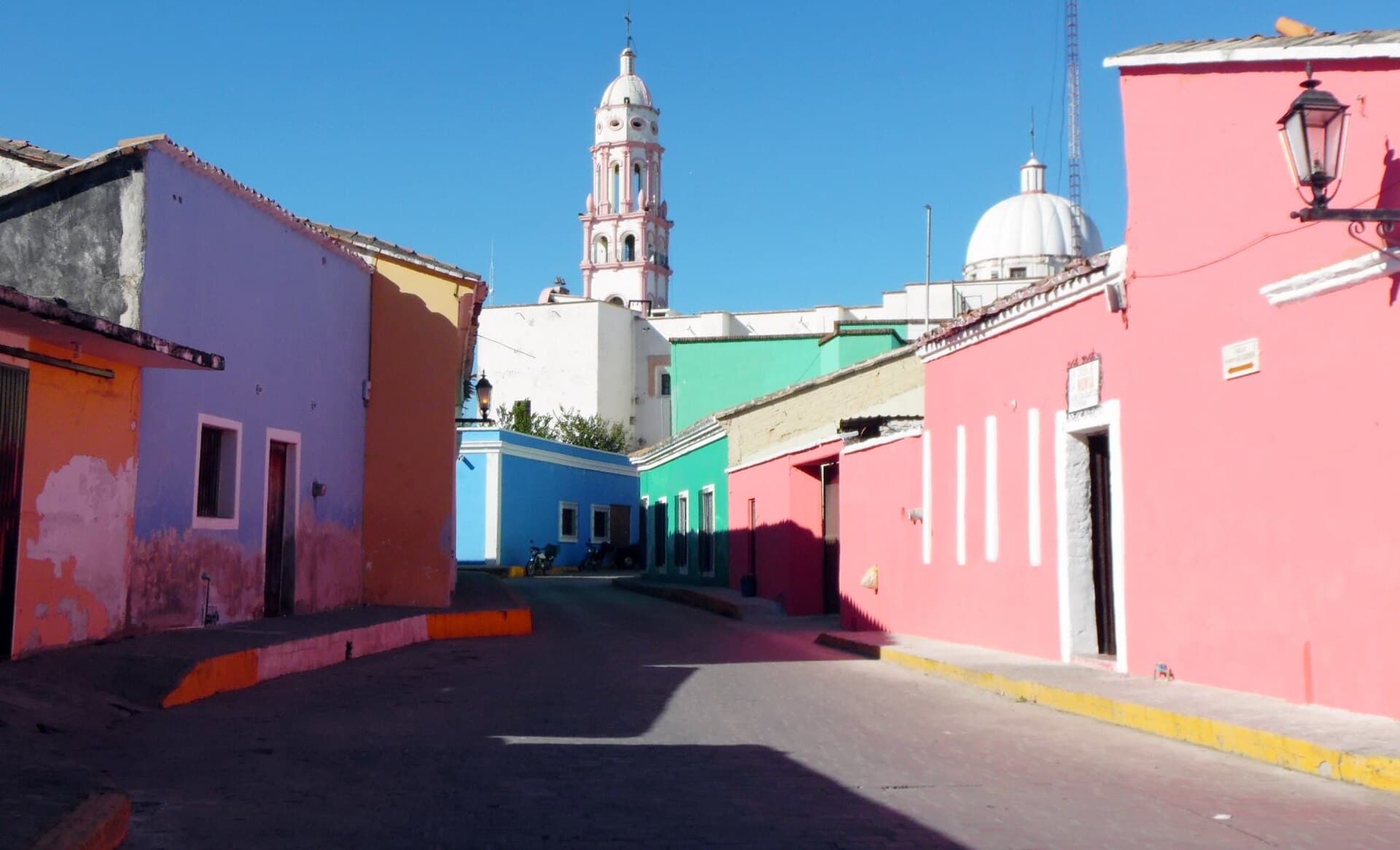 E. Ruvarey / CC BY-SA 4.0, via Wikimedia Commons
Tour de audio autoguiado de Cosalá — ruta GPS a pie, reproducción offline, narración en 32 idiomas.
“Donde los ecos coloniales se encuentran con el abrazo de la Sierra Madre.”
No las postales. Las historias que ni los locales conocen — al oído, justo donde ocurrieron.
Se dice que una residente espectral deambula por los pasillos de una destacada casa de Cosalá.
Antes de ser Cosalá, esta ciudad tenía un nombre que hablaba de su esplendor natural, y otro, mucho más grandioso, que pocos recuerdan.
Este tranquilo pueblo de montaña alguna vez tuvo una sorprendente distinción en el periodismo regional.
Descubre todos los secretos de Cosalá
Cada dirección, cada revelación al completo — a tu oído, justo donde ocurrió.
Eliges tus paradas. Caminas. La voz te revela lo que los demás ignoran.


Tu tour de audioguía por Cosalá te espera — elige tus lugares, tu idioma y empieza al llegar.
ComprarLume incluye una guía de realidad aumentada. Levanta el móvil y su cámara muestra la calle que tienes delante, con una flecha luminosa sobre la imagen real que siempre apunta a tu próxima parada — sin mapas que descifrar, sin giros equivocados. Como todo en Lume, funciona completamente sin conexión.
Cosalá, un Pueblo Mágico designado en el estado de Sinaloa, es una ciudad donde los ecos de un pasado minero resuenan a través de calles bañadas por el sol y arquitectura colonial. Fundada en 1562, su nombre original, Quetzalla o Cozatl, se traduce como 'lugar de bellos alrededores', un testimonio de su entorno verde en la Sierra Madre Occidental. Este pueblo, con sus edificios de adobe de colores pastel y su trazado urbano bien conservado, ofrece un escape sereno, a menudo sintiendo como si el tiempo se hubiera ralentizado con gracia.
Una vez un bullicioso centro de más de 50 minas de oro y plata, Cosalá fue una de las ciudades más ricas del noroeste de México, incluso sirviendo como capital del Estado de Occidente en 1826. Hoy, su encanto reside en la armoniosa mezcla de su significado histórico y belleza natural. Desde explorar iglesias antiguas y un fascinante museo minero hasta descubrir cascadas remotas y reservas ecológicas, Cosalá invita a los visitantes a adentrarse en un paisaje cultural y ambiental único.
La historia de Cosalá se remonta a tiempos prehispánicos, cuando la región estaba habitada por grupos indígenas como los tepehuanes, acaxees y xiximies. Los españoles llegaron en 1531, reconociendo la riqueza mineral de la zona, lo que llevó a la fundación oficial del pueblo español en 1563, aunque algunas fuentes citan 1562. Entonces se le dio el grandioso nombre de 'Real de Minas de Nuestra Señora de las Once Mil Vírgenes de Cosalá', reflejando tanto su importancia minera como una leyenda religiosa.
Para 1810, Cosalá se había convertido en una de las regiones más prósperas del noroeste de México, contando con más de 50 minas activas de oro y plata. Este auge minero atrajo a numerosos aventureros y extranjeros, particularmente españoles, que se asentaron en el prometedor lugar, impulsando aún más su crecimiento social y comercial. La prosperidad del pueblo fue tan significativa que en 1826 fue declarado capital del vasto Estado de Occidente, que abarcaba partes de los actuales Sinaloa, Sonora y Arizona. Este período también vio la publicación de 'El Espectador Imparcial', el primer periódico del noroeste, en Cosalá en 1827.
La riqueza de las minas de Cosalá incluso llamó la atención de figuras históricas como Miguel Hidalgo y Costilla, quien en 1810 ordenó la toma del pueblo. Más tarde, en el siglo XIX, la región se asoció con el legendario bandido Heraclio Bernal, a menudo llamado 'El Rayo de Sinaloa', una figura que desafió a las fuerzas gubernamentales y es considerado un precursor de la Revolución Mexicana.
Aunque la actividad minera experimentó un declive en el siglo XX, una nueva fase de explotación comenzó con minas como Guadalupe de los Reyes y Nuestra Señora. Hoy en día, las Operaciones Cosalá continúan siendo un importante sitio minero, produciendo cobre, plomo, zinc y plata. En el año 2000, bajo el presidente Ernesto Zedillo, Cosalá fue reconocido como parte oficial del Patrimonio de México, y en 2005, recibió la designación de Pueblo Mágico, un testimonio de su trazado urbano conservado, arquitectura colonial, profundas tradiciones y entorno natural.
Comience su exploración en el centro histórico de Cosalá, donde la Plaza de Armas cuenta con un quiosco de la década de 1800 y está rodeada de edificios coloniales. La Parroquia Santa Úrsula, construida por los jesuitas en 1730, se erige como un punto de referencia prominente con su fachada neoclásica y un reloj de sol único sobre la entrada. Cerca, la Capilla de Guadalupe, la iglesia más antigua del pueblo, ofrece otro vistazo al patrimonio religioso de Cosalá.
Adéntrese en el pasado del pueblo en el Museo de Minería e Historia, ubicado en un edificio colonial. Exhibe documentos, fotografías, muestras de minerales y artefactos que narran la importante historia minera de Cosalá e incluso presenta pinturas de artistas locales. Para disfrutar de la naturaleza, diríjase a la Reserva Ecológica del Mineral de Nuestra Señora, un bosque subtropical de 5,000 hectáreas que ofrece senderos para caminatas, observación de aves y un aviario para la guacamaya verde. Los amantes de la aventura pueden visitar las cascadas de Vado Hondo para nadar, hacer pícnic, montar a caballo e incluso una tirolesa. Otra característica natural es Charco Azul, una serie de pozas naturales y cascadas ideales para nadar y conectar con la naturaleza durante todo el año, aunque requiere un vehículo todo terreno para acceder. No pase por alto la Gruta México, un sistema de cavernas con impresionantes estalactitas y estalagmitas ubicado a unos 15 km al noreste del pueblo.
Cosalá experimenta un clima cálido durante todo el año, con temperaturas que oscilan típicamente entre 10°C y 34°C (50°F y 94°F). La temporada de lluvias es húmeda y mayormente nublada, mientras que la estación seca es parcialmente nublada. Para actividades de clima cálido como nadar y disfrutar de las cascadas, el mejor momento para visitar es desde finales de mayo hasta finales de junio. Si prefiere cielos más despejados y actividades al aire libre, la estación más seca va desde finales de septiembre hasta finales de junio, siendo abril el mes más seco. Los meses más frescos son enero y febrero, con mínimas promedio alrededor de 10°C (50°F). Considere visitar durante la Fiesta de las Velas del 10 al 12 de diciembre para una experiencia cultural única.
Cosalá se encuentra aproximadamente a 2.5 horas en coche de Mazatlán y a 2.5 horas de Culiacán. Desde Mazatlán, tome la carretera federal MEX-15 norte durante unos 100 km, luego gire al noreste por la carretera estatal de Sinaloa 1 durante otros 65 km. Se recomienda evitar conducir de noche debido a las carreteras aisladas y sin iluminación. El pueblo en sí es pequeño y fácil de explorar a pie. Hay taxis disponibles para viajes a zonas periféricas. Aunque los dólares estadounidenses pueden ser aceptados para pequeños gastos, es aconsejable tener pesos mexicanos para la mayoría de las compras. Hay varias opciones de alojamiento, incluyendo hoteles y cabañas, y algunos tours desde Mazatlán ofrecen servicios de recogida. Recuerde llevar sombrero y protección solar, especialmente durante los meses más cálidos.
Cosalá en coreano, en chino o en hebreo — y 29 idiomas más, cada parada narrada por una voz nativa. La mayor variedad de idiomas de cualquier audioguía autoguiada.
Disponible en: