Parroquia de San Sebastián
Observa de cerca la fachada de la iglesia y encontrarás un detalle inesperado, un susurro de un pasado prehispánico tejido en su diseño colonial.
La historia completa se desbloquea en el tour
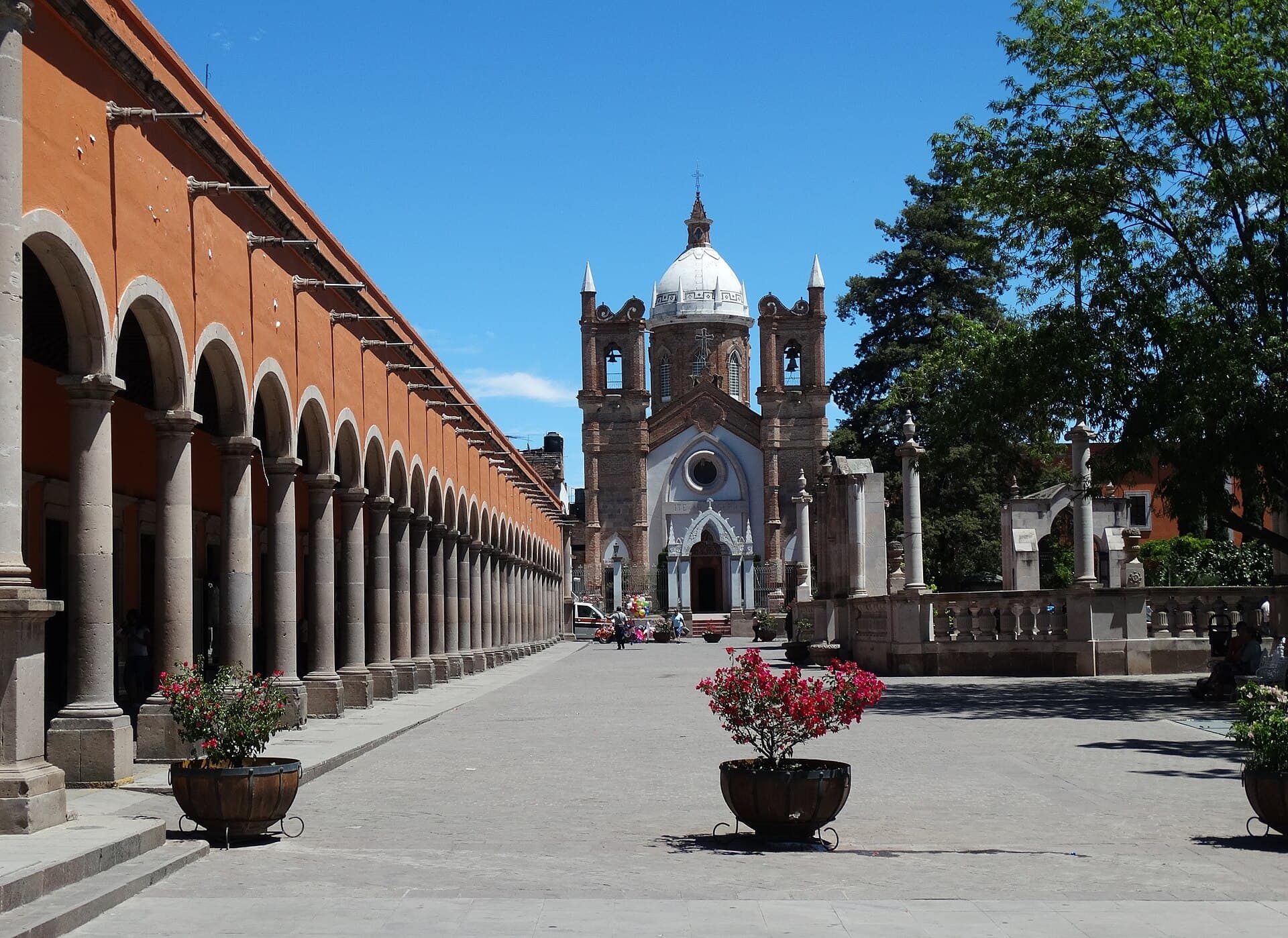 Efrain Jimenez / CC BY-SA 3.0, via Wikimedia Commons
Tour de audio autoguiado de Nochistlán — ruta GPS a pie, reproducción offline, narración en 32 idiomas.
“Donde los ecos ancestrales se encuentran con tradiciones perdurables.”
No las postales. Las historias que ni los locales conocen — al oído, justo donde ocurrieron.
Observa de cerca la fachada de la iglesia y encontrarás un detalle inesperado, un susurro de un pasado prehispánico tejido en su diseño colonial.
La aparentemente ordinaria plaza principal guarda un secreto bajo sus adoquines, un testigo silencioso de un momento crucial en la historia de Zacatecas.
Este centro cultural fue una vez una residencia privada, y su dueño original albergaba una pasión sorprendente que moldeó su arquitectura única.
Descubre todos los secretos de Nochistlán
Cada dirección, cada revelación al completo — a tu oído, justo donde ocurrió.
Eliges tus paradas. Caminas. La voz te revela lo que los demás ignoran.

Tu tour de audioguía por Nochistlán te espera — elige tus lugares, tu idioma y empieza al llegar.
ComprarLume incluye una guía de realidad aumentada. Levanta el móvil y su cámara muestra la calle que tienes delante, con una flecha luminosa sobre la imagen real que siempre apunta a tu próxima parada — sin mapas que descifrar, sin giros equivocados. Como todo en Lume, funciona completamente sin conexión.
Nochistlán de Mejía, un Pueblo Mágico en el sur de Zacatecas, México, es una ciudad donde los ecos de la resiliencia indígena y la grandeza colonial se entrelazan. Sus calles empedradas, plazas animadas y arquitectura cuidadosamente conservada ofrecen un viaje tangible a través de siglos de historia mexicana. El nombre de la ciudad, derivado del náhuatl, que significa 'lugar de la cochinilla', insinúa su significado prehispánico como centro de un valioso tinte natural.
Más allá de su pintoresca fachada, Nochistlán invita a una exploración más profunda de su pasado en capas. Es un lugar donde el pueblo caxcan defendió ferozmente sus tierras contra los españoles, dejando un legado de fuerza y orgullo cultural. Hoy, este espíritu vive en sus tradiciones, su comunidad acogedora y las sutiles formas en que las antiguas creencias continúan dando forma a la vida diaria. Mientras deambulas, descubrirás una ciudad que no solo ha conservado su patrimonio sino que lo celebra activamente, convirtiéndola en un destino atractivo para quienes buscan una auténtica experiencia mexicana.
## Del Baluarte Caxcan a la Grandeza Colonial La historia de Nochistlán comienza mucho antes de la llegada de los españoles, profundamente arraigada en la era prehispánica como un importante asentamiento del pueblo caxcan. Los caxcanes, parte del grupo chichimeca más grande, eran conocidos por su feroz independencia y su sofisticado entendimiento de la agricultura y la astronomía, evidente en sitios como el Cerro de las Ventanas. Su ubicación estratégica hizo de Nochistlán un centro vital, y fueron uno de los grupos indígenas más formidables en resistir la conquista española.
La llegada de los españoles a principios del siglo XVI marcó un dramático punto de inflexión. Las fuerzas de Nuño de Guzmán encontraron una fuerte resistencia, lo que llevó a la devastadora Guerra del Mixtón (1540-1542), una importante rebelión indígena en la que los caxcanes desempeñaron un papel prominente. A pesar de sus valientes esfuerzos, los españoles finalmente prevalecieron, estableciendo una presencia colonial. Nochistlán fue fundada oficialmente como ciudad española en 1542, lo que la convierte en uno de los asentamientos más antiguos de Zacatecas.
Durante el período colonial, Nochistlán floreció como un centro agrícola y comercial, estratégicamente ubicado a lo largo de importantes rutas comerciales. Los españoles construyeron impresionantes iglesias, edificios administrativos y haciendas, muchos de los cuales aún se mantienen en pie hoy en día, mostrando una mezcla de artesanía indígena y estilos arquitectónicos europeos. La prosperidad de la ciudad también estuvo ligada a su suelo fértil, que producía cultivos como maíz, frijol y la valiosa cochinilla, de la que deriva parte de su nombre.
Los siglos XIX y XX trajeron nuevos desafíos y transformaciones. Nochistlán desempeñó un papel en la Guerra de Independencia de México y, más tarde, durante la Revolución Mexicana, experimentó una agitación significativa. La Guerra Cristera en la década de 1920, un conflicto entre el gobierno secular y los rebeldes católicos, también dejó su huella, con historias locales de actividades clandestinas y fe ferviente. A pesar de estos períodos tumultuosos, Nochistlán mantuvo su carácter único, obteniendo finalmente la prestigiosa designación de 'Pueblo Mágico' en 2012, reconociendo su significado cultural, profundidad histórica y belleza natural.
## Ecos de la Revolución y Más Allá La historia de Nochistlán no se trata solo de grandes narrativas; también está grabada en las historias más pequeñas y personales de su gente. La participación de la ciudad en la Revolución Mexicana, por ejemplo, vio a las familias locales divididas y a las comunidades afectadas por las cambiantes mareas de la guerra. Las ruinas de la Hacienda El Salto son un testimonio de estos tiempos turbulentos, un lugar donde las disputas por la tierra y el agua alimentaron el fervor revolucionario. Incluso el aparentemente tranquilo Mirador del Curato, ahora un punto de vista panorámico, alguna vez sirvió como un puesto de observación estratégico durante la Guerra Cristera, ofreciendo un recordatorio silencioso de la resiliencia de la ciudad frente al conflicto.
Hoy, Nochistlán abraza su complejo pasado, celebrando sus raíces indígenas a través de festivales culturales y la preservación de su herencia caxcana en el Museo Comunitario Caxcan. La arquitectura colonial de la ciudad, particularmente la Parroquia de San Sebastián y el Templo de San Francisco, continúa atrayendo visitantes, no solo por su belleza sino por las sutiles influencias indígenas que hablan de una profunda fusión cultural. Desde sus antiguos orígenes como baluarte caxcan hasta su estado actual como Pueblo Mágico, Nochistlán de Mejía ofrece una visión cautivadora del espíritu perdurable de México.
Comienza tu exploración en la Plaza Principal, el corazón de Nochistlán, enmarcada por arcos coloniales y la imponente Parroquia de San Sebastián. Tómate un tiempo para admirar su fachada barroca, notando los sutiles detalles indígenas tejidos en su diseño. Un corto paseo te lleva al Templo de San Francisco, otra maravilla arquitectónica con un interior sereno y fascinantes murales que representan leyendas locales.
Para una vista panorámica de la ciudad y los paisajes circundantes, asciende al Mirador del Curato. Este mirador ofrece no solo vistas impresionantes, sino también una perspectiva histórica, habiendo servido como punto estratégico durante conflictos pasados. Adéntrate en el pasado antiguo de Nochistlán en la Zona Arqueológica Cerro de las Ventanas, donde los restos de un asentamiento caxcan revelan intrincadas estructuras de piedra y alineaciones astronómicas. Asegúrate de visitar el Museo Comunitario Caxcan para profundizar tu comprensión del patrimonio indígena de la región y los esfuerzos para preservar la lengua caxcan.
Experimenta el sabor local en el Mercado Municipal, un bullicioso mercado donde puedes encontrar artesanías tradicionales, productos frescos y delicias culinarias únicas, incluyendo aguamiel. Para un toque de romance y folclore local, busca el Callejón del Beso, la propia versión de Nochistlán de un callejón legendario. No te pierdas La Pila de la Conquista, una fuente histórica cuyas aguas están impregnadas de cuentos de la fundación de la ciudad. Finalmente, la Casa de la Cultura ofrece una visión de las artes y la historia locales, ubicada en un edificio con su propio pasado intrigante.
La mejor época para visitar Nochistlán es durante la estación seca, de octubre a mayo, cuando el clima es templado y agradable para explorar. Las temperaturas promedio rondan los 20-25°C (68-77°F). La estación lluviosa, de junio a septiembre, trae lluvias por la tarde, que pueden ser refrescantes pero ocasionalmente pueden interrumpir los planes al aire libre. Considera visitar durante los festivales locales, como la Fiesta de San Sebastián en enero, para experimentar de primera mano las animadas tradiciones culturales de la ciudad.
Nochistlán se encuentra aproximadamente a 2 horas en coche al sur de la ciudad de Zacatecas. El aeropuerto principal más cercano es el Aeropuerto Internacional de Zacatecas (ZCL). Desde el aeropuerto o la ciudad de Zacatecas, puedes alquilar un coche o tomar un autobús. Hay autobuses locales y taxis disponibles para moverse por la ciudad. La ciudad es generalmente segura, pero siempre es aconsejable estar atento a tu entorno, especialmente por la noche. La moneda oficial es el Peso Mexicano (MXN). Si bien algunos establecimientos aceptan tarjetas de crédito, es recomendable llevar efectivo para compras más pequeñas y vendedores del mercado. El español es el idioma predominante, por lo que algunas frases básicas serán útiles. La altitud de Nochistlán es de alrededor de 1.850 metros (6.070 pies), por lo que los visitantes no acostumbrados a altitudes más altas podrían experimentar síntomas leves; se recomienda mantenerse hidratado.
Nochistlán en coreano, en chino o en hebreo — y 29 idiomas más, cada parada narrada por una voz nativa. La mayor variedad de idiomas de cualquier audioguía autoguiada.
Disponible en: