Ex-Convento Franciscano
Bajo la iglesia de uso continuo más antigua de América Latina, una leyenda habla de un habitante peculiar.
La historia completa se desbloquea en el tour
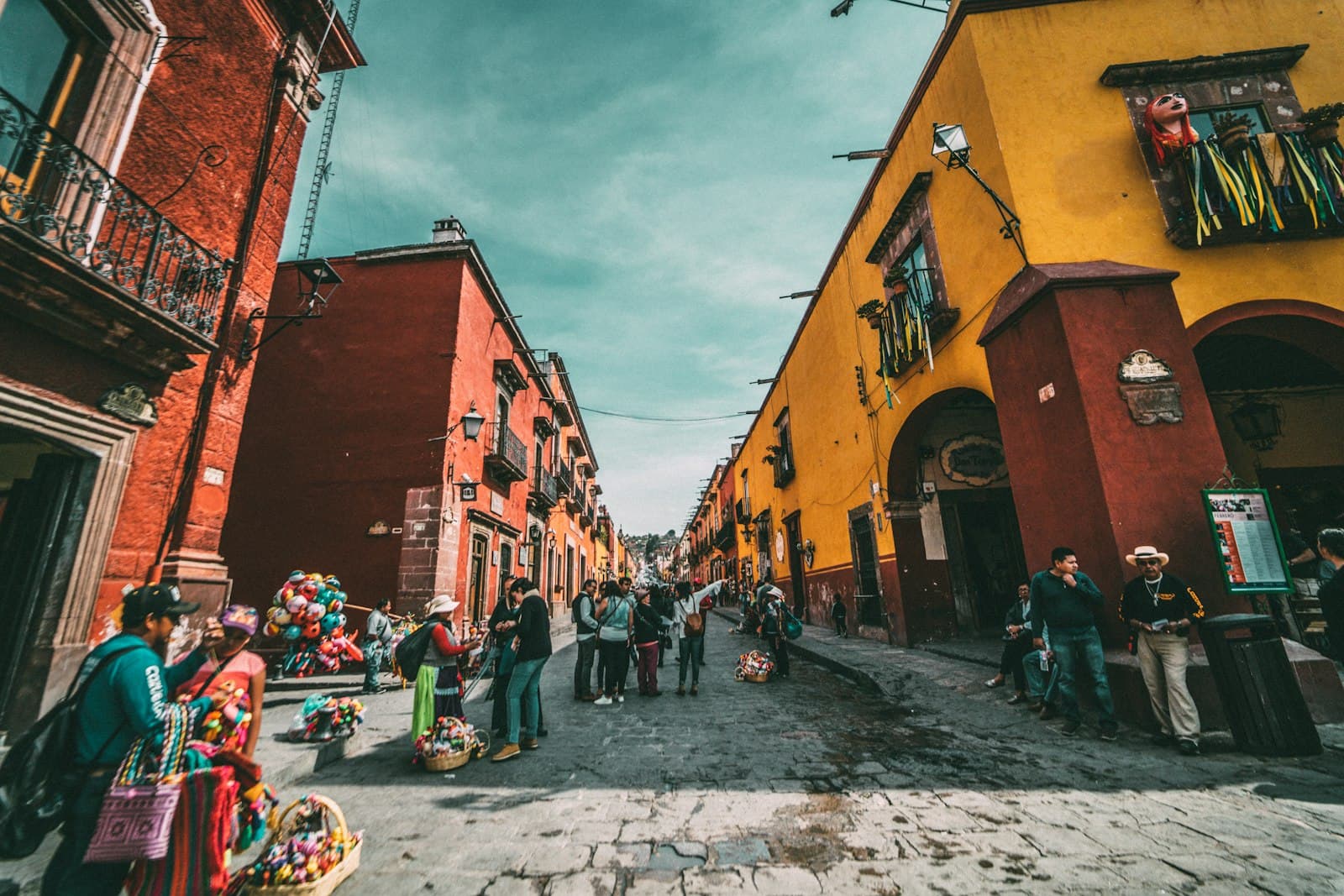 Photo: Jezael Melgoza / Unsplash
Tour de audio autoguiado de Zacatlán — ruta GPS a pie, reproducción offline, narración en 32 idiomas.
“Donde la niebla se encuentra con relojes monumentales y huertos de manzanas.”
No las postales. Las historias que ni los locales conocen — al oído, justo donde ocurrieron.
Bajo la iglesia de uso continuo más antigua de América Latina, una leyenda habla de un habitante peculiar.
Este icónico reloj floral guarda un secreto de ingeniería único, que lo hace diferente a cualquier otro en el mundo.
Un callejón alguna vez olvidado y vandalizado ahora cuenta una historia a través de un medio inesperado.
Descubre todos los secretos de Zacatlán
Cada dirección, cada revelación al completo — a tu oído, justo donde ocurrió.
Eliges tus paradas. Caminas. La voz te revela lo que los demás ignoran.
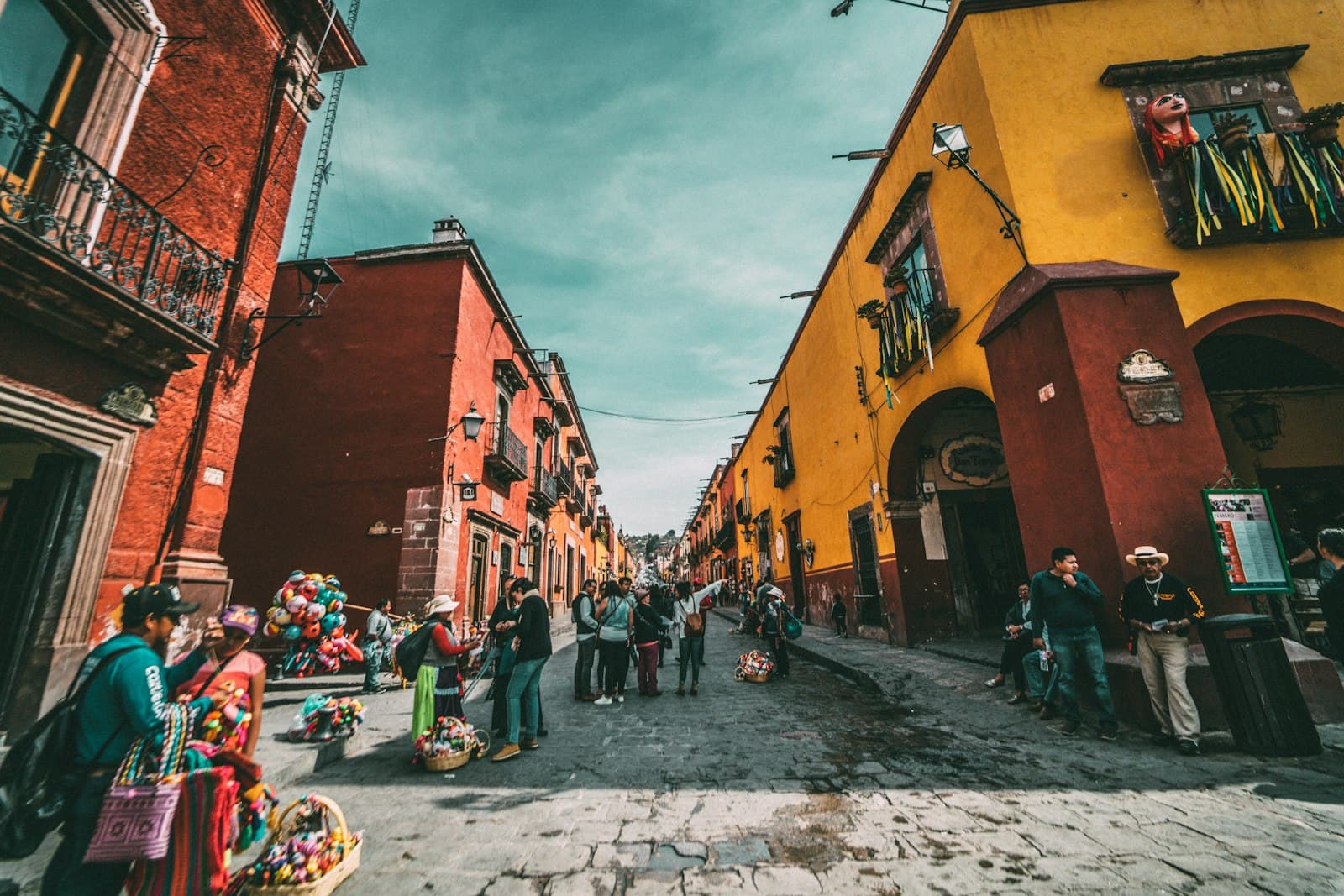
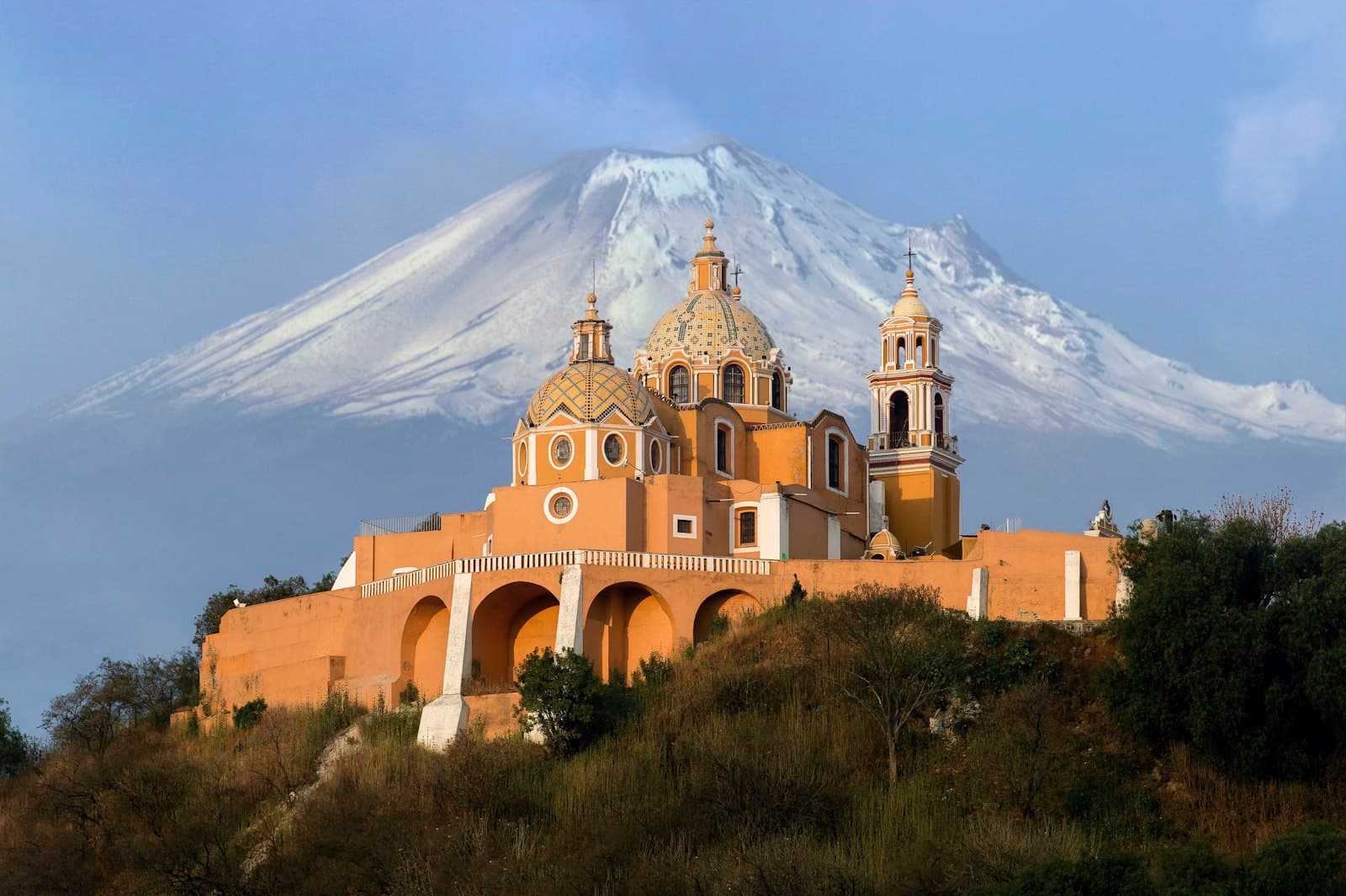
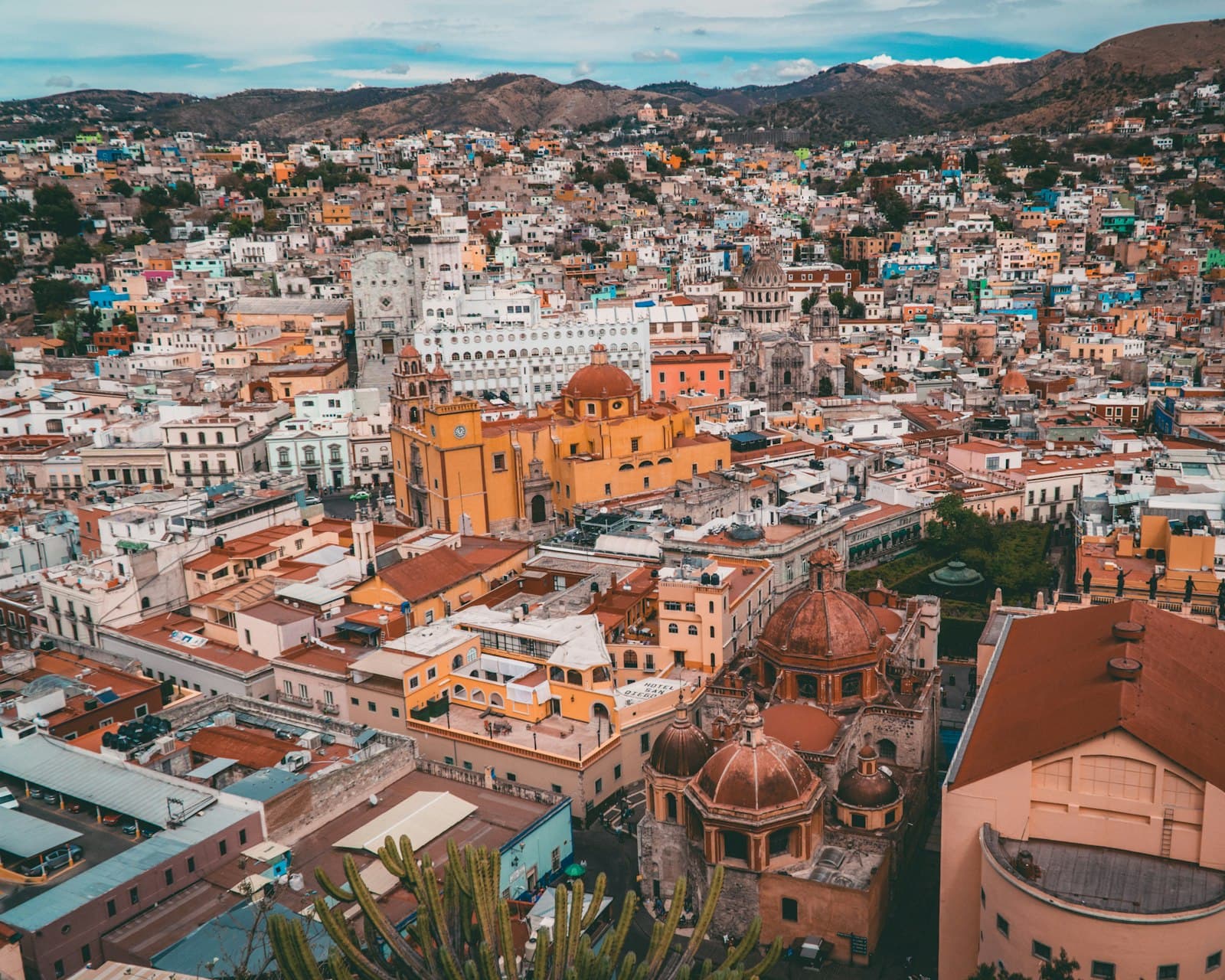
Tu tour de audioguía por Zacatlán te espera — elige tus lugares, tu idioma y empieza al llegar.
ComprarLume incluye una guía de realidad aumentada. Levanta el móvil y su cámara muestra la calle que tienes delante, con una flecha luminosa sobre la imagen real que siempre apunta a tu próxima parada — sin mapas que descifrar, sin giros equivocados. Como todo en Lume, funciona completamente sin conexión.
Zacatlán, oficialmente conocido como Zacatlán de las Manzanas, es un Pueblo Mágico en la Sierra Norte de Puebla, México. A una altitud de 2,000 metros (6,600 pies) sobre el nivel del mar, la ciudad ofrece un clima templado y un encanto montañés distintivo. Su nombre, derivado del náhuatl, significa 'lugar de zacate', un guiño a la exuberante vegetación que lo rodea.
Este cautivador pueblo es conocido por sus abundantes huertos de manzanos, que perfuman el aire durante la temporada de floración y se celebran anualmente en la Feria de la Manzana. Más allá de su identidad centrada en la manzana, Zacatlán es un centro de artesanía relojera, hogar de la primera fábrica de relojes monumentales de América Latina y un famoso reloj floral en su plaza principal. Los visitantes se sienten atraídos por sus casas tradicionales con techos de teja roja, sus animados vitromurales y los dramáticos paisajes naturales de la Barranca de los Jilgueros y el Valle de Piedras Encimadas.
La historia de Zacatlán se remonta a la era prehispánica, siendo la tribu Zacateca los primeros pobladores conocidos alrededor del año 583 d.C. Más tarde, en 1115, chichimecas, olmecas y toltecas, relacionados con el Rey Xolotl, llegaron a dominar la zona, seguidos por una invasión azteca a finales del siglo XV, que sometió al pueblo a tributo bajo la Triple Alianza.
La historia colonial española comenzó poco después de la conquista del Imperio Azteca. En 1522, Hernán López de Ávila se convirtió en el primer señor español de la zona de Zacatlán. Los habitantes indígenas fueron reubicados inicialmente varias veces antes de que se fundara el asentamiento actual de Zacatlán en 1562. La orden franciscana desempeñó un papel fundamental en el desarrollo de la ciudad, estableciendo un monasterio y un cementerio en 1567, que sirvió como centro de evangelización y sigue siendo la iglesia de uso continuo más antigua de Puebla.
El cultivo de manzanas fue introducido en la región por misioneros franciscanos a principios del siglo XVII, lo que llevó al apodo duradero del pueblo, 'Zacatlán de las Manzanas'. La reputación del pueblo por su artesanía también creció, notablemente en el siglo XIX cuando fabricó armas durante la Guerra de Independencia de México e incluso sirvió como capital del estado de Puebla por un período.
Un momento decisivo en la historia moderna de Zacatlán fue la fundación de Relojes Centenario en 1918 por Alberto Olvera Hernández, la primera fábrica de relojes monumentales de América Latina. Esta innovación consolidó la identidad de Zacatlán como ciudad de relojeros, con relojes Centenario adornando edificios públicos en México y más allá. En 2011, Zacatlán fue oficialmente designado 'Pueblo Mágico' por la secretaría de turismo mexicana, reconociendo sus cualidades culturales, históricas y escénicas.
Comience su exploración en la plaza principal (Zócalo), dominada por el icónico Reloj Floral, una obra maestra de doble cara de Relojes Centenario. Cerca, encontrará el Palacio Municipal y el histórico Ex-Convento Franciscano, la iglesia de uso continuo más antigua de América Latina.
Una corta caminata desde el centro conduce al Mirador de Cristal y la Barranca de los Jilgueros, que ofrecen vistas panorámicas particularmente dramáticas cuando la famosa 'neblina' se presenta. A lo largo del borde del cañón, explore los animados Vitromurales, una serie de mosaicos al aire libre hechos de azulejos, vidrio y espejos, que representan la larga historia y cultura de Zacatlán.
Adéntrese en el arte del tiempo en el Museo del Reloj Centenario, que exhibe la evolución de la relojería y los intrincados mecanismos de los relojes monumentales. Para una escapada natural, diríjase al Valle de Piedras Encimadas, a unos 25 kilómetros del pueblo, donde formaciones rocosas volcánicas únicas crean un paisaje surrealista. El valle ofrece actividades como senderismo, ciclismo e incluso tirolesa.
El mejor momento para visitar Zacatlán es durante la estación seca, de noviembre a abril, cuando el clima es generalmente agradable para actividades al aire libre. Aunque Zacatlán experimenta un clima templado con temperaturas diurnas promedio de alrededor de 21°C (70°F) durante todo el año, mayo es el mes más cálido (24°C/75°F) y enero es el más fresco (18°C/64°F). Prepárese para una alta humedad y una marcada temporada de lluvias de junio a octubre, siendo septiembre el mes más húmedo. Marzo suele ser el mes más soleado.
Considere visitar en agosto para la Feria de la Manzana anual, un festival importante que celebra la cosecha de manzanas con diversas actividades. El Festival de la Sidra tiene lugar en noviembre, y el Festival Indígena Cuaxochitl se celebra en mayo.
Zacatlán se encuentra en la Sierra Norte de Puebla, aproximadamente a 2.5 a 3 horas de la Ciudad de Puebla y a 3 a 3.5 horas de la Ciudad de México en coche. Si bien conducir ofrece flexibilidad para excursiones de un día, hay servicios de autobús disponibles desde las principales ciudades. Desde Puebla, los autobuses ATAH cubren la ruta, y desde la Ciudad de México, Futura, BusExpress, Ejecutivo y Supra ofrecen salidas frecuentes desde la Terminal del Norte o TAPO. Una vez en Zacatlán, hay taxis y 'combis' (furgonetas compartidas) disponibles para moverse.
Muchas personas en Zacatlán, especialmente las del sector turístico, pueden no hablar inglés, por lo que saber algo de español o tener una aplicación de traducción es útil. La recepción de teléfonos celulares puede ser limitada. Se recomienda usar ropa en capas debido a los cambios de temperatura a lo largo del día y la posibilidad de niebla. No beba agua del grifo.
Zacatlán en coreano, en chino o en hebreo — y 29 idiomas más, cada parada narrada por una voz nativa. La mayor variedad de idiomas de cualquier audioguía autoguiada.
Disponible en: