Hacienda Jalisco
Эта величественная асьенда, когда-то бывшая центром переработки серебра, имеет удивительную связь с голливудской знатью.
Полная история открывается в туре
 No machine-readable author provided. Intersofia assumed (based on copyright claims). / CC BY-SA 3.0, via Wikimedia Commons
Самостоятельная аудиопрогулка по Сан-Себастьян-дель-Оэсте — GPS-маршрут, офлайн-воспроизведение, увлекательное повествование на 32 языках.
“Где когда-то текло серебро, теперь время течет медленно.”
Не открытки. Истории, которые не знают даже местные жители — шепотом в вашем ухе, прямо там, где они произошли.
Эта величественная асьенда, когда-то бывшая центром переработки серебра, имеет удивительную связь с голливудской знатью.
Подъезжая к Сан-Себастьян-дель-Оэсте, вы пересечете мост, который предлагает больше, чем просто живописный вид; это ворота в историю транспорта.
Город кажется удивительно сохранившимся, тихим отголоском своего прошлого, но его нынешний размер резко контрастирует с его бурным расцветом.
Откройте для себя каждый секрет Сан-Себастьян-дель-Оэсте
Каждый адрес, каждое полное раскрытие — в вашем ухе, прямо там, где это произошло.
Вы выбираете остановки. Вы гуляете. Голос раскрывает то, что упускают другие.
Ваш самостоятельный аудиотур по Сан-Себастьян-дель-Оэсте готов — выберите свои достопримечательности, выберите свой язык и начните в момент прибытия.
КупитьВ Lume встроен гид дополненной реальности. Поднимите телефон: камера показывает улицу перед вами, а поверх реального изображения светится стрелка, всегда указывающая на вашу следующую остановку — не нужно разбираться с картой и сворачивать не туда. Как и всё в Lume, это работает полностью офлайн.
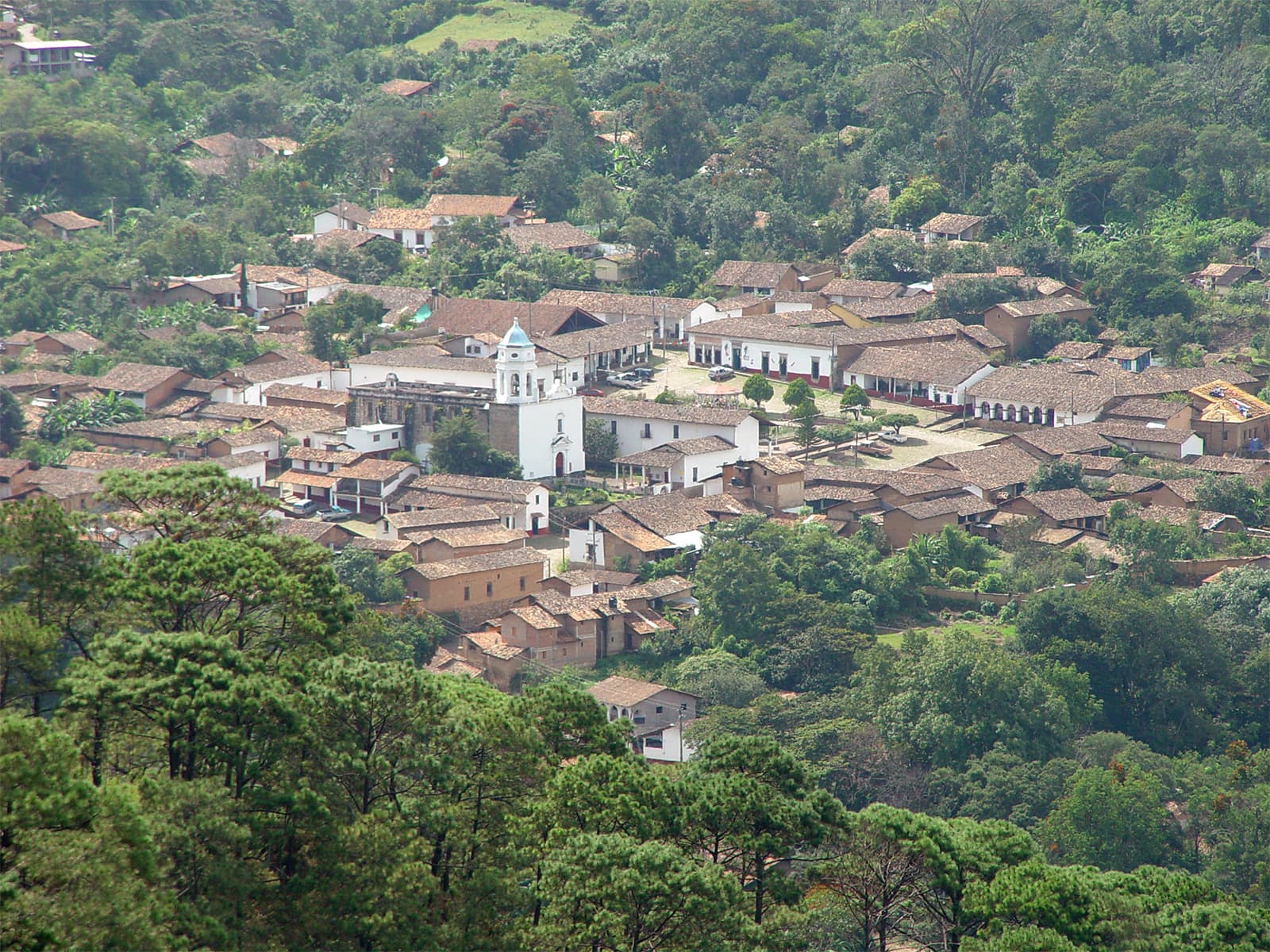
Сан-Себастьян-дель-Оэсте, Пуэбло Махико, расположенный на высоте более 4500 футов над уровнем моря в горах Сьерра-Мадре-Оксиденталь штата Халиско, — это место, где время, кажется, остановилось. Этот бывший город по добыче серебра и золота, основанный в 1605 году, предлагает захватывающий взгляд на колониальное прошлое Мексики. Вдали от шумных прибрежных курортов Сан-Себастьян-дель-Оэсте приглашает вас замедлить шаг и побродить по его мощеным улицам, полюбоваться тщательно сохранившейся архитектурой XVII, XVIII и XIX веков и подышать свежим горным воздухом.
Признанный Пуэбло Махико, Сан-Себастьян-дель-Оэсте ценится за свой исторический характер и природное великолепие, что делает его идеальным местом для тех, кто ищет подлинный мексиканский опыт. Очарование города заключается в его тихих площадях, красочных асьендах и окружающих пейзажах сосновых и дубовых лесов, каньонов и водопадов. Это место, где история звучит из каждого камня, а традиции глубоко вплетены в ткань повседневной жизни.
Сегодня, хотя горнодобывающая деятельность в значительной степени прекратилась, Сан-Себастьян-дель-Оэсте процветает благодаря сельскому хозяйству, животноводству и растущему признанию его уникального наследия. Это место, которое обещает путешествие во времени, предлагая культурное погружение, исследование природы и знакомство с местными вкусами, включая знаменитый органический кофе и региональные спиртные напитки.
## Жила богатства: Расцвет горнодобывающего гиганта История Сан-Себастьян-дель-Оэсте начинается в 1605 году, когда испанские горняки, добывающие серебро, основали город как базу для своих прибыльных операций. Открытие золота, серебра и свинца в регионе быстро превратило его в один из важнейших горнодобывающих центров Новой Испании. К 1785 году в этом районе насчитывалось более 25 шахт и 10 асьенд для переработки золота и серебра, что укрепило его репутацию основного источника драгоценных металлов.
## Золотой век и его упадок Официально инкорпорированный как город в 1812 году, Сан-Себастьян-дель-Оэсте достиг своего зенита примерно в 1830 году, когда население выросло до более чем 20 000 жителей. Это процветание привлекло иностранные инвестиции от французских, английских и североамериканских компаний, сделав его активным экономическим центром. Город был настолько состоятельным, что, помимо Гвадалахары, считался местом, где можно было увидеть последние модные тенденции и общаться с богатыми людьми.
Однако течение перемен положило конец этой золотой эре. Мексиканская революция, начавшаяся в 1910 году, привела к истощению шахт и уходу иностранных компаний. Добыча полезных ископаемых резко сократилась, и последняя действующая шахта была заброшена к 1921 году. Этот резкий останов деятельности вызвал драматическое сокращение населения, оставив город в «временной петле», что, по иронии судьбы, теперь способствует его сохранившемуся очарованию.
## Стойкое наследие Несмотря на упадок горнодобывающей промышленности, колониальное наследие Сан-Себастьян-дель-Оэсте сохранилось. Многие постройки из тесаного камня и самана XIX века и ранее остались неизменными. В 1983 году город официально стал Сан-Себастьян-дель-Оэсте и с тех пор признан Пуэбло Махико, что свидетельствует о его усилиях по сохранению исторического характера и культурного наследия. Сегодня основными видами экономической деятельности города являются сельское хозяйство, животноводство и растущий сектор туризма, привлекающий посетителей, желающих исследовать его богатую историю и спокойное горное расположение.
Сан-Себастьян-дель-Оэсте предлагает безмятежный отдых с его тщательно сохранившимся колониальным очарованием. Начните свое исследование с Plaza Principal, сердца города, окруженного причудливыми магазинами и кафе. Неподалеку от главной площади находится Parroquia de San Sebastián Mártir, неоклассический храм с барочными украшениями, первоначально построенный францисканскими монахами в конце XVIII века. Особенно примечательны его потолочные фрески и расписной алтарь.
Короткая прогулка приведет вас к Camposanto Viejo, Старому кладбищу XIX века, где покоятся известные местные жители в впечатляющих каменных гробницах, создавая уникальную и слегка жутковатую историческую атмосферу. Для более глубокого погружения в горнодобывающее прошлое города посетите Hacienda Jalisco, одну из главных асьенд, которая когда-то контролировала большую часть переработки серебра в этом районе. Вы также можете исследовать остатки старых шахтерских туннелей и асьенд, таких как La Maquina, или посетить тщательно отреставрированную La Quinta, которая продолжает производить органический кофе.
Для обширных видов отправляйтесь в путешествие к Cerro de la Bufa. В ясный день виды простираются вплоть до Пуэрто-Вальярты и Тихого океана. Этот поход часто требует полноприводного автомобиля, но пейзажи того стоят. Не пропустите посещение органической кофейной плантации, такой как La Quinta Mary, где вы можете узнать о процессе приготовления кофе и попробовать местные сорта. Город также предлагает возможности попробовать ресилью, местный спирт из агавы.
В Сан-Себастьян-дель-Оэсте приятная среднегодовая температура составляет 18,7°C (65,7°F), что делает его комфортным местом для посещения круглый год. Сезон дождей приходится на период с июня по октябрь, с интенсивными осадками. Для более сухой погоды и ясных видов с Cerro de la Bufa рассмотрите возможность посещения в сухой сезон, который обычно длится с ноября по май. В городе также проводятся религиозные праздники, такие как праздники Святого Себастьяна 20 января и Девы Гваделупской 12 декабря, предлагающие возможность познакомиться с местными традициями.
Сан-Себастьян-дель-Оэсте находится примерно в 47-65 милях (75-105 км) к северо-востоку от Пуэрто-Вальярты, дорога занимает около 1 часа 40 минут по горной трассе. Хотя дорога в целом безопасна, она может быть извилистой, поэтому некоторые посетители предпочитают нанимать частных водителей или отправляться в туры из Пуэрто-Вальярты. Также доступно общественное автобусное сообщение из Пуэрто-Вальярты в близлежащий город Ла-Эстансия, откуда можно добраться до Сан-Себастьян-дель-Оэсте на такси.
Находясь в городе, лучше всего передвигаться пешком, что позволит вам бродить по мощеным улицам и впитывать колониальную атмосферу. Хотя многие заведения принимают мексиканские песо, рекомендуется иметь при себе наличные для мелких покупок в местных магазинах и пекарнях. Город, как правило, спокоен, но всегда разумно быть внимательным к своему окружению. Не забудьте взять с собой солнцезащитный крем и средство от комаров, особенно в более теплые месяцы.
Сан-Себастьян-дель-Оэсте: корейский, китайский, иврит и ещё 29 языков — каждую остановку озвучивает носитель языка. Самый широкий выбор языков среди аудиоэкскурсий без гида.
Доступные языки: